
Love Spoken Through Illness
Love in the Time of CholeraThis flow traces the novel’s use of cholera and bodily symptoms to describe romantic desire and fear.
increasing Bearing strength in each event
 decreasing
Bearing strength in each eventdecreasingSymptoms Mistaken

Symptoms Mistaken
The body of desire
Florentino Ariza suffers sleeplessness, nausea, and distress while waiting for Fermina Daza’s reply.
A diagnosis shared
His godfather recognizes that the symptoms of love resemble cholera, establishing a language the novel repeatedly returns to.
The Phrase Recalled

The Phrase Recalled
Illness as comparison
The memory of love and cholera accompanies Florentino Ariza through grief, fear, and physical hardship on the river.
Metaphor extended
Disease describes not only passion’s intensity but the uncertainty of knowing whether suffering signals illness or longing.
A City Under Cholera
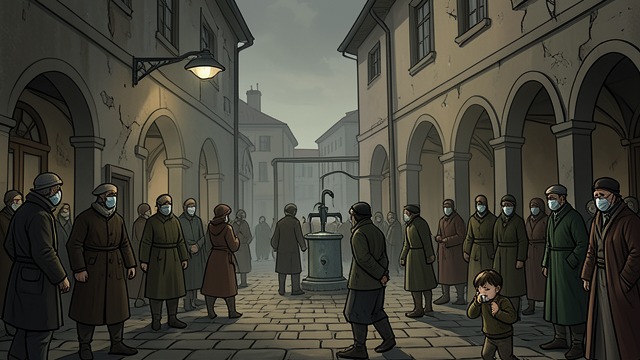
A City Under Cholera
Public and private sickness
Juvenal Urbino confronts cholera as a disease of water, poverty, and civic neglect.
The metaphor’s material ground
The novel’s romantic language rests beside real epidemics and real deaths, preventing illness from becoming only a poetic image.
Love After Grief

Love After Grief
Bereavement felt physically
Fermina Daza experiences her husband’s absence as a bodily lack and struggles with the first days alone.
A second attachment
Florentino Ariza’s letters offer consolation, but they do not cure grief; they create space for another feeling to emerge.
The Yellow Flag
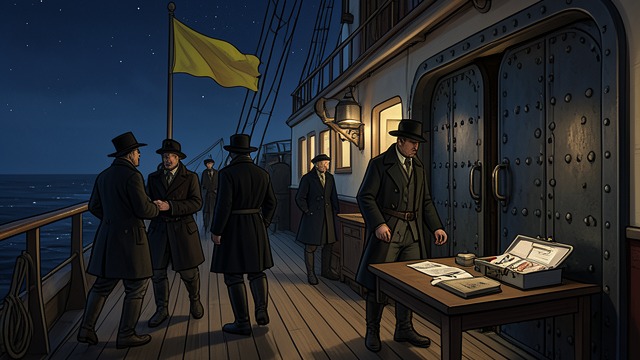
The Yellow Flag
Disease invoked as cover
Florentino Ariza and Captain Samaritano use cholera protocol to keep the ship moving and avoid ordinary scrutiny.
Metaphor made action
The old association of love and illness becomes a literal plot device, connecting passion, risk, and public deception.
During Florentino’s first courtship
During Florentino’s journey upriver
During Juvenal Urbino’s professional career
During Fermina’s widowhood
On the final river voyage
