Juvenal Urbino and Fermina Daza’s marriage
Love in the Time of CholeraJuvenal Urbino and Fermina Daza’s marriage turns the ordinary work of living together into the measure of a half-century bond. Its deepest evidence is not unbroken concord but repeated accommodation: care becomes routine, irritation becomes ritual, and even a forgotten bar of soap can threaten a life they have built together. When Juvenal dies, Fermina’s grief reveals the weight of their shared habits and the intimacy that outlasted their quarrels.
Shared life and daily care
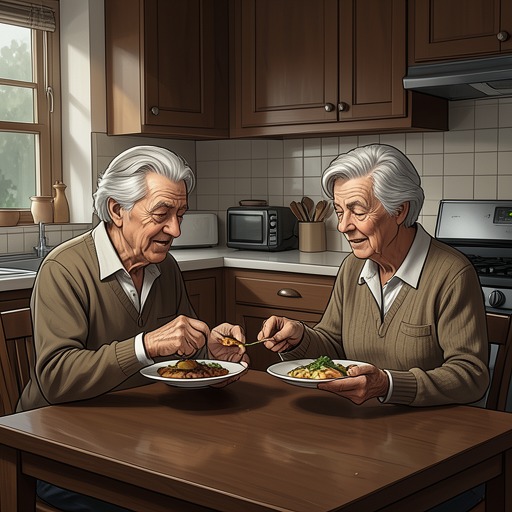
After their honeymoon, Fermina took charge of choosing Juvenal’s clothes for the weather and occasion, laying them out the night before. She gradually began helping him dress, first out of love and, in his last years, because he could no longer dress himself. By their golden wedding anniversary, neither could bear to be without the other, or even to stop thinking about the other. Yet they could not say whether their dependence came from love or convenience; both preferred not to examine the question too closely.
As age altered Juvenal’s capacities, Fermina noticed his uncertain steps, shifts of mood, lapses of memory, and recent habit of sobbing in his sleep. Rather than treat him as a difficult old man, she imagined him as a senile baby returning to childhood. That interpretation spared them the pity that might otherwise have defined their final years. Care was no longer simply a voluntary expression of affection: it had become the practical shape of a life organized around one another.
Their days also retained an intimate domestic contest. Juvenal woke early, coughed and fumbled for his slippers in the dark, while Fermina pretended to sleep even though she was listening. He knew she was awake and wanted her presence; she could blame him for waking her and claim a small victory by turning on the light. The ritual was at once irritating and comforting, one of the dangerous pleasures of their domestic love. Its comedy depended on a knowledge acquired over years: each understood the other’s performance, and each kept performing.
The soap quarrel and separation
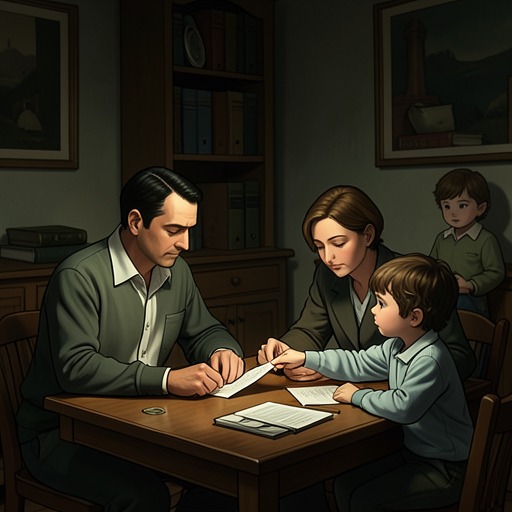
The fragility beneath that familiarity surfaced over a missing bar of soap. Juvenal said he had bathed for almost a week without any, though Fermina knew she had forgotten to replace it for three days. Feeling exposed in her mistake, she answered by insisting that she had bathed every day and there had always been soap. Juvenal could not accept the counterattack. Under a professional pretext, he moved into the interns’ quarters at Hospital of Misericordia, returning home only to change before his evening house calls.
Fermina went to the kitchen when she heard him arrive and stayed there until his carriage left. For three months, attempts at reconciliation only rekindled the dispute. Juvenal would not return while she denied the missing soap; Fermina would not have him back unless he admitted that he had lied deliberately to torment her. The original mistake widened into a reckoning with earlier quarrels. Old resentments reopened old wounds, and both saw, with dismay, how much of their conjugal life had been spent cultivating rancor.
Juvenal proposed an open confession, even before the Archbishop, so that God could decide whether soap had been in the dish. Fermina’s answer became a notorious cry: “To hell with the Archbishop!” The outburst scandalized the city and entered popular tradition. She threatened to leave for her father’s former house, which still belonged to her and had been rented as public offices. She meant the threat. Juvenal, unable to defy his own prejudices, yielded enough to remain under the same roof, though they slept in separate rooms and spoke no words to one another.
Their silence was carefully managed. At meals they sent messages across the table through their children, who never realized their parents were not speaking directly. The separate-room arrangement also quieted the morning conflict: because Juvenal’s study had no bathroom, he bathed after preparing his class and made a sincere effort not to wake Fermina. They still sometimes reached the bathroom together and took turns brushing their teeth before bed. The household continued to run, but around a division neither would formally concede.
Return and the persistence of intimacy
After four months, Juvenal lay down on their double bed to read while Fermina was in the bathroom and fell asleep. She lay beside him carelessly, hoping to wake him so he would return to the study. Instead, he stirred, turned out the light, and settled onto the pillow. She shook his shoulder to remind him of their arrangement; he preferred the comfort of the bed to the discipline of leaving. His surrender ended the estrangement without resolving its argument: he asked to stay and admitted that there had been soap.
In old age, neither could believe that this had been the most serious quarrel of their fifty years together, or the only one that had made them both want to abandon their responsibilities and begin again. They remained cautious about recalling it because the wounds, though barely healed, could start bleeding as if newly made. Reconciliation did not erase the conflict; it restored their shared life while leaving its old vulnerability intact. Their marriage endured not through a final verdict about who had been right but through a return to the bed, the bathroom, and the habits that made a home together.
Death and the measure of the bond
The marriage’s dependence becomes unmistakable when Juvenal falls from the ladder while trying to catch the parrot. Fermina hears the shrieks and shouting from the kitchen, drops her tasting spoon, and runs toward the patio despite the weight of her age. She finds him in the mud, dying. In his final moments he recognizes her and tells her, “Only God knows how much I loved you.” The last exchange gives voice to an affection that their life together had often left unexamined, even by themselves.
At the wake, Fermina receives condolences with composure, but that control does not mean she has escaped grief. She had hoped, when she saw Juvenal’s shining eyes, for time to tell him how much she had loved him and to begin their life again, correcting what they had done badly and saying what they had left unsaid. Death makes that imagined renewal impossible. Before the coffin is closed, she removes her wedding ring and places it on his finger, then covers his hand with hers—the familiar gesture she used when he digressed in public, now made a final act of companionship.
After the funeral, Florentino Ariza declares his love, and Fermina orders him out and tells him not to return. Alone, she closes the door and weeps for Juvenal, for her solitude and anger, and for herself. The things he has left behind—the tasseled slippers, the pajamas beneath the pillow, his absence in the dressing-table mirror, his scent on her skin—make bereavement register as the disappearance of daily presence. She sleeps on her usual side of the bed and sobs, missing the weight of the body beside her. The marriage ends with Juvenal’s death, but its routines remain the form through which Fermina first experiences his absence.