Medical School
Love in the Time of CholeraThe Medical School is the city’s principal setting for formal medical instruction and a lasting part of Juvenal Urbino’s professional life. Its classrooms and hospital connections bring together teaching, clinical observation, and public-health work, placing the institution at the intersection of medical training and the city’s efforts to understand and contain cholera.
Teaching and Professional Life
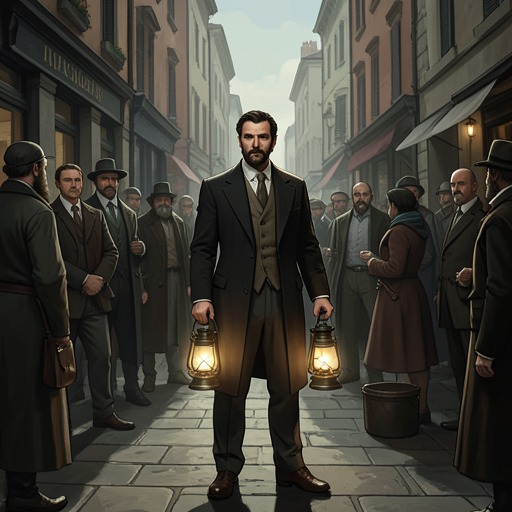
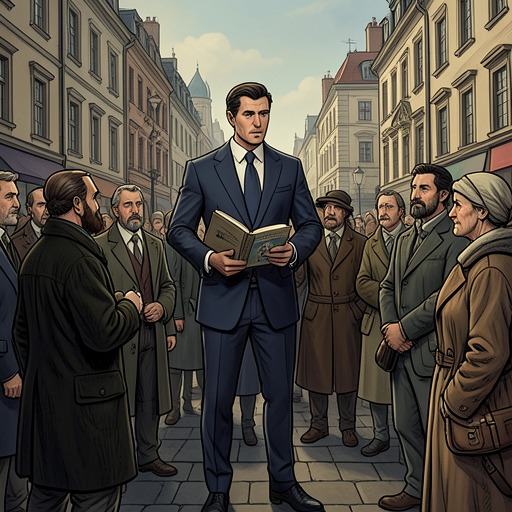
After returning from specialized studies in France, Juvenal Urbino established a demanding daily routine that included preparing lessons in general clinical medicine. He taught at the Medical School every morning from Monday through Saturday at eight, continuing that schedule until the day before his death. His long service made the school a steady part of his public identity as a physician and teacher.
Urbino’s authority at the school rested on a career that extended well beyond the classroom. After the previous cholera epidemic had killed a quarter of the urban population in less than three months, including his father, he studied the disease under the epidemiologist Professor Adrien Proust. He later founded the Medical Society, the first of its kind in the Caribbean provinces, and helped organize civic measures including the city’s first aqueduct and sewer system. The Medical School thus belonged to a wider medical and civic world in which instruction, professional organization, and sanitation were closely connected.
Students and Clinical Training
The school’s students encountered medicine not only through lessons but also through clinical work. When Urbino diagnosed a suspected cholera case, he was assisting students at Hospital of Misericordia, where they had asked for his help with a charity patient whose unusual coloration alerted him to the disease. The episode shows how clinical instruction depended on experienced judgment: Urbino recognized the danger from the patient’s appearance and moved from diagnosis to warning colleagues and notifying authorities.
The school also appears through its students’ professional ambitions. At a concert, Urbino recognized a young man as one of his students from the previous year; he was the son of the Minister of Health and was preparing a thesis in forensic medicine. Urbino could not remember the student’s identity at first, a lapse that distressed him, but recovered it after a moment. Later, he failed to connect the same young doctor with the intern who had accompanied him during the investigation of Jeremiah de Saint-Amour’s death. The school’s emerging physicians therefore appear both as trained members of the city’s professional world and as people whose work Urbino encounters outside the classroom.
Cholera and Medical Practice
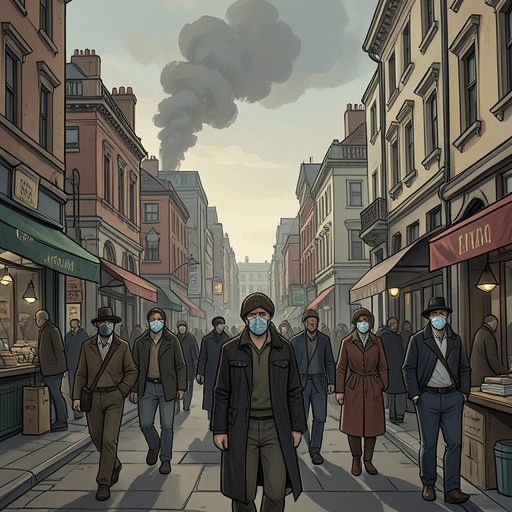
Urbino’s response to cholera demonstrates the practical stakes of the medical knowledge cultivated around the school. After a patient who had arrived from Curaçao was diagnosed, he alerted colleagues and urged authorities to warn neighboring ports so the schooner could be located and quarantined. He also opposed the military commander’s proposal to impose martial law and use cannon fire as a supposed treatment. The patient died, but vigilance followed; later reports of suspected cases led to quarantine and medical supervision, while the distinction between cholera and dysentery shaped how cases were classified and reported.
The novel sets this public work beside the uncertainties of medical knowledge. Urbino had first studied cholera in a routine course, then pursued the subject intensely after his father’s death and the devastation of the earlier epidemic. His diagnosis and containment efforts depend on clinical observation and organized public-health action, while the recurring relabeling of cases as dysentery shows how disease categories could also be shaped by institutional pressures. The Medical School’s significance lies in this overlap: it trains physicians, but the knowledge they gain must be tested amid the city’s social, administrative, and epidemiological realities.
Institutional Significance
The Medical School is not described as an independent actor with its own institutional history; its significance emerges through the work of its teachers and students. Urbino’s sustained teaching, the students’ hospital practice, and the school’s connection to wider medical initiatives make it a point of continuity in a city repeatedly threatened by epidemic disease.
That continuity also sharpens the contrast between knowledge and vulnerability. Urbino can teach medicine and help build systems intended to protect the city, yet he remains subject to age, memory loss, and death. Through the school, the narrative presents medicine as a collective practice passed from teacher to student, consequential in public life but never a guarantee against human mortality.