The great cholera epidemic
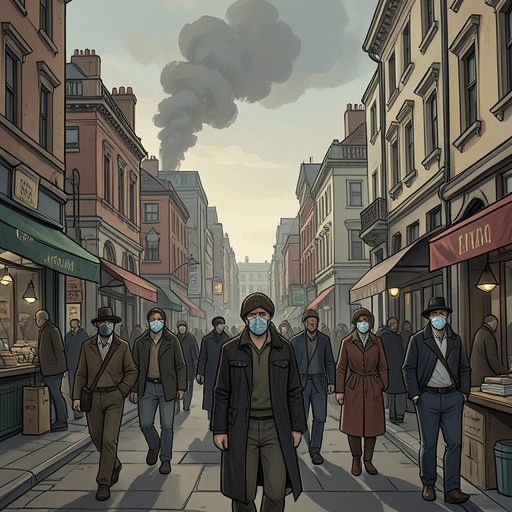
Love in the Time of CholeraThe great cholera epidemic devastated the city and helped shape the life and public mission of Juvenal Urbino. Within eleven weeks it caused the greatest death toll in the city’s history, overwhelming burial grounds and leaving its losses incompletely recorded. For Urbino, the epidemic was both a family tragedy and a lasting challenge: his father died among its victims, and the younger doctor devoted himself to understanding cholera and reforming the conditions that made its return possible.
Background and Urban Conditions
The epidemic struck a city whose celebrated past sat uneasily beside its material decline. Its former prosperity had rested in large part on its role as the Americas’ largest African slave market, but the later city was marked by deteriorating buildings, inadequate sanitation, and poverty. In the market, standing water helped create the conditions in which the first cholera victims were struck down. The crisis made visible how public health depended not only on medical treatment but also on the city’s basic infrastructure.
The danger was particularly acute for residents of poor neighborhoods at the edge of the swamps. Two-thirds of the population lived in shanties and lacked latrines; waste was left in the open, dried in the sun, and became dust. Garbage accumulated in mangrove thickets that had turned into swamps of putrefaction. Drinking water also posed a threat: many households relied on cisterns and earthen jars, whose apparently clear water could still harbor waterworms. These conditions later became central to Urbino’s determination to improve sanitation.
Course and Human Cost
The outbreak overwhelmed the city’s established burial arrangements. After two weeks, the colonial cemetery was full, and there was no room left in the churches, where prominent dead had customarily been buried. The Cathedral’s crypts became so compromised that its doors remained closed for three years. When the cemetery at the Convent of St. Clare and its orchard also proved inadequate, burials were moved to a nearby cattle ranch that later became the Universal Cemetery.
The disease struck the larger, poorer Black population especially hard, although it spared no color or social background. The final toll was never established—not because records could not have been gathered, but because the city’s reticence about personal misfortune obscured the scale of loss. The epidemic ended as abruptly as it had begun, but its effects remained in family memory and in the city’s public-health history.
Marco Aurelio Urbino and the Family Loss
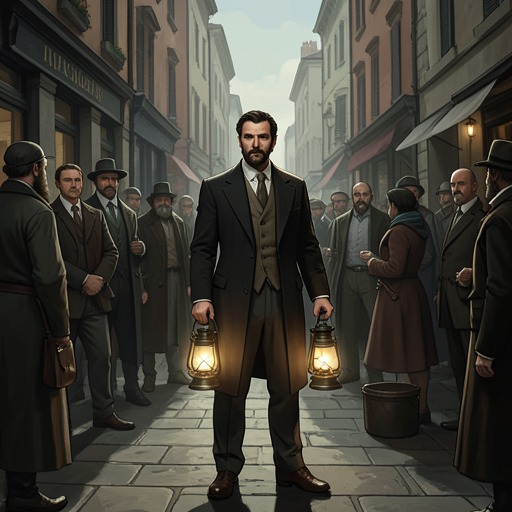
Marco Aurelio Urbino, Juvenal’s father and himself a respected physician, became a civic leader during the epidemic. Acting under official authority, he designed and directed public-health measures, while also intervening broadly in social affairs. His diligence, self-sacrifice, and courage brought him public honors after the city recovered. Juvenal later judged his father’s methods compassionate but insufficiently scientific, and in some respects harmful; he nevertheless continued to honor the courage behind them and regretted not having stood beside his father during the crisis.
Marco Aurelio recognized that he had contracted the disease and withdrew from others rather than risk infecting them. At Misericordia Hospital, isolated in a utility room despite the pleas of colleagues and family, he wrote a long letter of love and gratitude to his wife and children. The changing script recorded the progression of his illness, and he died before seeing the honors later bestowed on him. His death made cholera more than a medical subject for Juvenal: it became a loss that shaped his subsequent study and professional purpose.
Juvenal Urbino’s Response and Legacy
After his father’s death, Juvenal Urbino studied the different forms of cholera with an intensity he understood as a form of penance. He trained with the epidemiologist Professor Adrien Proust, then returned home alert to the likelihood that the disaster could recur. The city’s sanitation problems—including unsafe water, open waste, and defective sewers—were not abstractions to him but conditions he believed could produce another epidemic. He pressed for a closed sewage system, latrine-building instruction for poor residents, regular garbage collection, and disposal away from the mangroves, meeting resistance as he tried to make civic authorities act.
When a patient with cholera arrived from Curaçao, Urbino recognized the threat, alerted his colleagues, and had nearby ports warned so the schooner could be located and quarantined. He also restrained a military commander who wanted to impose martial law and repeat the practice of firing a cannon every quarter hour, which rested on the local belief that gunpowder could purify the air. Further suspected cases led to family quarantine and neighborhood medical supervision. An outbreak followed, but Urbino’s vigilance and interventions helped prevent it from becoming another catastrophe on the scale of the earlier epidemic. His later work—including the creation of the Medical Society and support for an aqueduct and sewer system—turned the memory of the epidemic into a sustained program of civic and medical reform.