Monica Dalton
Luckiest Girl AliveMonica Dalton, usually called Moni, is a premedical student in TifAni FaNelli’s bridal party. She embodies the group’s competitive expectations around marriage, appearance, and the timing of motherhood: Moni speaks confidently about her own plans, yet TifAni sees her become visibly unsettled when TifAni’s wedding comes first.
Identity and Expectations
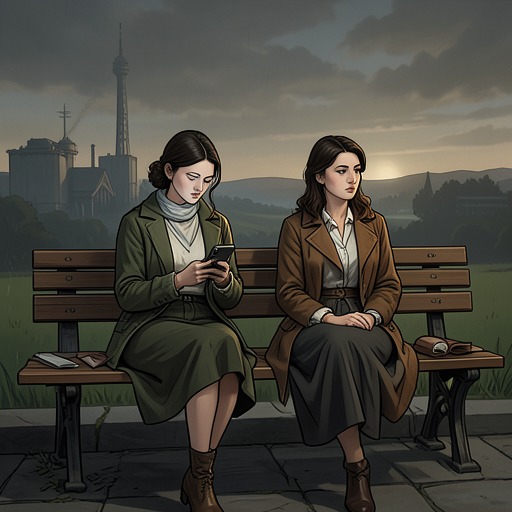
At twenty-three, Moni had declared that she would have children before turning thirty or freeze her eggs. She criticized women who delayed having children into their thirties, presenting early marriage and motherhood as the sensible course. TifAni recalls this certainty against the fact that, three months later, Moni will be the first among them to turn twenty-nine and will not have a partner beside her. The contrast makes Moni’s pronouncements less a settled account of her future than a measure of the pressure she places on herself.
The Wedding and Its Competition
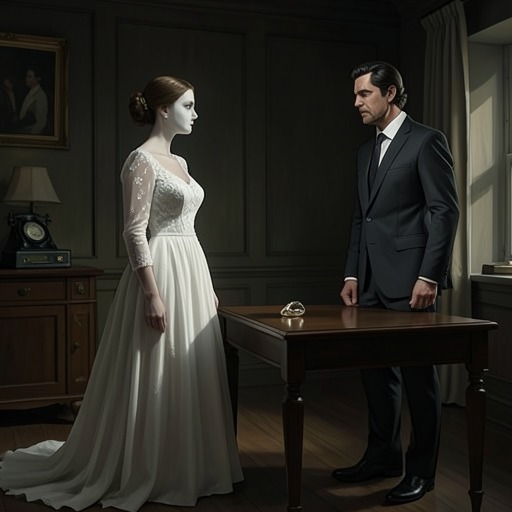
Moni is stressed that TifAni is getting married before she is. While the bridesmaids consider dress colors, she reassures Nell that spray tans will help with the look, even as TifAni notices Moni’s blemish beneath conspicuously pink concealer. Her response keeps attention on the wedding’s polished appearance, while her anxiety reveals the personal comparison running beneath the preparations.
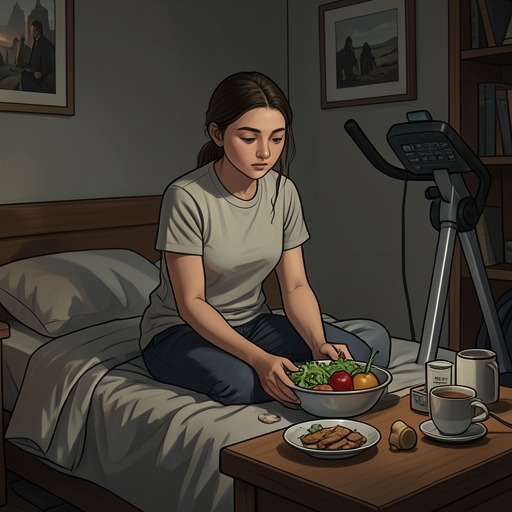
Moni also advises TifAni to try the Dukan diet before the wedding, citing her sister’s experience of losing eight pounds in three weeks despite already being a size two. The recommendation places Moni inside a social world where a bride’s body is treated as something to manage on a deadline. TifAni’s discomfort with the conversation, and her private struggle with eating, gives the exchange a significance beyond ordinary wedding planning.
Narrative Role
Moni appears through TifAni’s observant, often unsparing perspective rather than through an independent account of her own life. Her certainty about the timetable for marriage and children contrasts with the insecurity TifAni perceives when that timetable fails to put Moni first. The character therefore helps expose how the bridal gathering turns intimate choices into visible measures of success, even as its talk of diets and deadlines leaves little room for uncertainty.