Trauma and sensory memory
Luckiest Girl AliveTrauma and sensory memory describes how the past persists for TifAni FaNelli not only as recollection, but as involuntary alarm, avoidance, and repeated encounters with contested explanations. The novel connects private sensory triggers to wider struggles over whose account of harm is believed, making memory both an intimate burden and a public dispute.
Embodied Memory and Vigilance
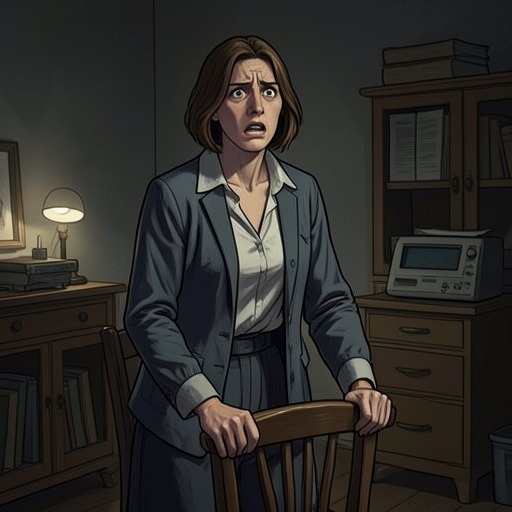
At the Harrisons’ seaside home, Luke swims far beyond the shallow water where TifAni feels safe. She is seized by fear that a shark might attack him, and by an accompanying imagined aftermath that she says remains present to her years later. The scene makes clear that her alarm is not limited to the immediate danger: even the possibility of injury summons a sensory memory she cannot simply dismiss. Luke’s ease in the water contrasts with her expectation that safety can vanish without warning.
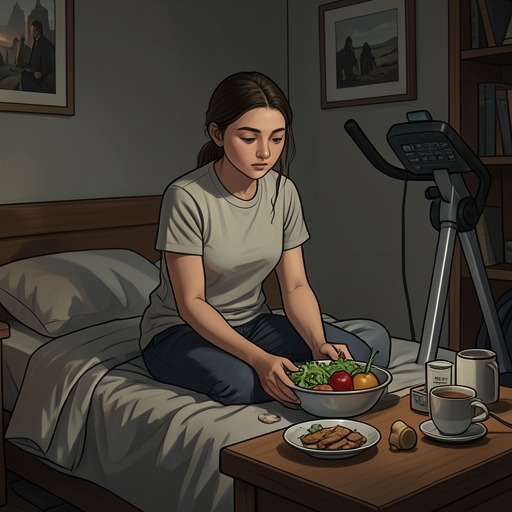
That vigilance also attaches to place. When TifAni sleeps in her childhood bedroom, she often lies awake, holding a tabloid magazine as a distraction from anxiety and from the past that the house brings back. The magazine’s celebrity gossip offers a deliberate counterweight to memory: she turns toward superficial stories because they do not force her to confront what she cannot bear to revisit. As an adult with more money, she can stay at a hotel instead. Avoidance becomes a practical form of control, allowing her to limit exposure to a setting that makes sleep difficult.
Naming Harm and Finding a Witness
Andrew Larson gives TifAni a form of recognition she has not received elsewhere. He rejects her attempt to describe Dean Barton’s conduct as an effort and tells her that what Dean did was not something she caused. His certainty stands against the victim-blaming assumptions that TifAni has absorbed, including the belief that attending a party, drinking, or engaging in one sexual act makes a person responsible for later harm. The scene does not erase her distress; it changes the terms through which she can understand it.
Years later, TifAni still recalls Andrew as someone who stood by her at a low point and imagined a future for her before she could imagine one herself. She calls this kind of belief faith: another person’s sustained confidence can help someone recognize possibilities that trauma has obscured. Her wish to contact him while preparing to marry Luke Harrison carries both longing for that support and uncertainty about her future. She ultimately recognizes that the imagined intimacy between them is a fantasy and that her wish to speak with him is bound up with her unresolved doubts, not a plan to pursue an affair.
Public Memory, Blame, and Uncertainty
The Bradley attack brings private trauma into a public contest over explanation. During the first televised coverage, TifAni watches reporting from the school and hears that seven people are dead, including the two shooters, and that nine students are hospitalized. The report describes a bomb placed near the table associated with the school’s most popular students and notes that other bombs may not have detonated. TifAni’s immediate concern about reports of lost limbs connects the public account of the attack to her own intense fear of bodily harm.
After the attack, public suspicion falls on TifAni despite the absence of evidence sufficient to charge her with a crime. Notes and yearbook material, her fingerprints on the gun, and Anita Perkins’s interpretation of her behavior are used to cast her as unemotional and eager to return to school. Dean also claims that Arthur Finnerman handed her the gun and instructed her to kill him as planned, a claim TifAni says Arthur never made. The accusation turns her presence in the aftermath into a story about culpability, while the media’s attention and hostile messages make that story difficult to escape.
The novel also shows how an apparently explanatory public narrative can conceal or distort evidence. Media accounts describe Arthur and Ben as victims of bullying, but the police material and Arthur’s journals point to a more complicated history. The rumor that Arthur and Ben had engaged in sexual activity was false; it angered Ben, while Arthur’s writings indicate that he proposed the attack and manipulated Ben’s desire for revenge. Investigators concluded that Arthur was the leader. TifAni’s own uncertainty remains: she wonders whether her last confrontation with Arthur affected what happened, but cannot know whether he had been preparing to tell her about the plan. The distinction between wondering and knowing matters; retrospective guilt does not establish responsibility.
Repetition, Testimony, and Limits of Closure
The aftermath repeatedly returns to the question of who counts as a victim and what words are available for harm. At Liam’s funeral, TifAni notes that many attendees had barely spoken to him, yet she feels a bond with him. She says she came to a kind of forgiveness during a required college seminar on sexual assault. The seminar’s discussion of intoxication offers a crude rule that reduces consent to a threshold of drunkenness, exposing how public instruction can reproduce confusion rather than resolve it. TifAni’s memory of the talk complicates any simple division between condemning an act and continuing to feel a human connection to the person who committed it.
Later, when TifAni visits Arthur’s mother, the discussion of Arthur’s emotions and the expert conclusion that he initiated the attack sit uneasily beside one another. Mrs. Finnerman’s grief does not disprove the investigative account, just as a psychological label cannot encompass every remembered interaction. By placing testimony, news coverage, family grief, and TifAni’s recollections alongside one another, the novel presents memory as necessary but incomplete. Speaking can challenge imposed blame and preserve details that public narratives leave out, while neither memory nor explanation can make the past fully settled.