
The Fiume Crisis and State Power
M: Son of the CenturyThis flow traces how Fiume’s rebellion tests the Italian state, exposes Mussolini’s caution, and ends in armed suppression.
increasing Bearing strength in each event
 decreasing
Bearing strength in each eventdecreasingOccupation without Resistance
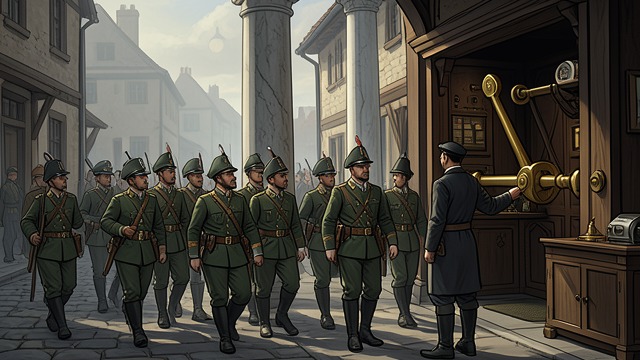
Rebellion Crosses the Border
Soldiers Join the Column
D’Annunzio’s force advances from Ronchi toward Fiume, while Italian units join rather than stop it. The occupation succeeds without a major battle.
A Challenge to Government
The episode reveals the fragility of the state’s authority over its own military. The Commander’s success inspires those who imagine that an individual leader can overturn political decisions through spectacle and courage.
A Democratic Experiment
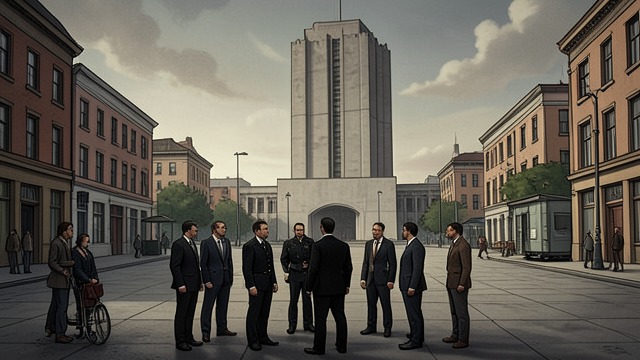
Charter and Contradiction
Social Rights in the Charter
The proposed Carnaro constitution promises labor protections, civil liberties, social provision, and public beauty. Its democratic language contrasts sharply with the military occupation that sustains it.
Ideals under Blockade
The city remains isolated and short of supplies. The ambitious charter cannot resolve the material crisis or settle who has the final authority to govern.
Rapallo and Isolation

A Diplomatic Settlement
Fiume’s Status Changes
The Treaty of Rapallo recognizes Fiume as an independent state and assigns other disputed territories to Italy or Yugoslavia. Mussolini describes the compromise as broadly satisfactory.
D’Annunzio’s Abandonment
Fiume’s supporters interpret the agreement as betrayal. Mussolini refuses to mobilize his movement in defense of the Commander, demonstrating that national power matters more to him than personal loyalty.
The Blockade Tightens
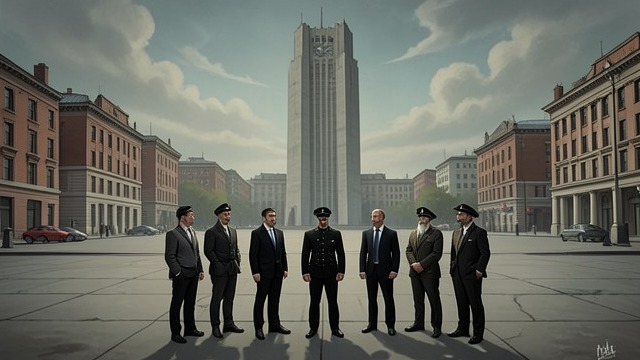
Ultimatums and Hunger
Italy Moves against Fiume
The government imposes a blockade and demands that D’Annunzio comply with the treaty. The Commander appeals to soldiers and mothers, but the country offers little practical support.
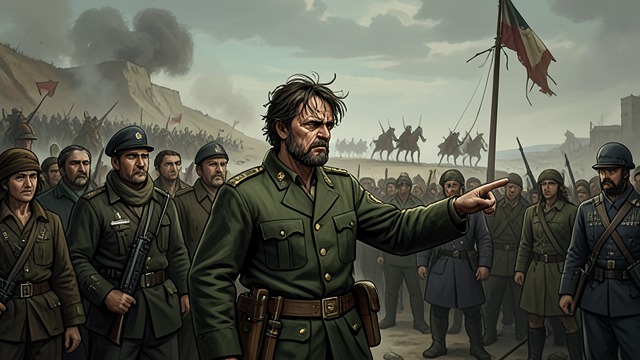
The State Uses Force
Regular troops attack, and the city’s defenders resist until bombardment makes further fighting untenable. The conflict demonstrates that the Italian state can reassert authority when it finally chooses to act decisively.
The Failure’s Lesson
Spectacle Cannot Replace Organization
Remembering the Defeat
The defeat at Fiume remains a warning for political actors who imagine that mass enthusiasm alone can overturn the state. D’Annunzio’s symbolic authority cannot force the army, government, and public into a common action.
Mussolini’s Different Method
Mussolini borrows the Commander’s staging and language but combines them with negotiation, party organization, and pressure on the monarchy. Fiume becomes both a model of political spectacle and an example of its limits.
September 1919
March 1920
November 1920
December 1920
1921–1922
