
The Agrarian War in the Po Valley
M: Son of the CenturyThis flow traces the clash between rural labor leagues and landowners, and the fascist squads’ destruction of the socialist countryside.
increasing Bearing strength in each event
 decreasing
Bearing strength in each eventdecreasingLeague Power Expands
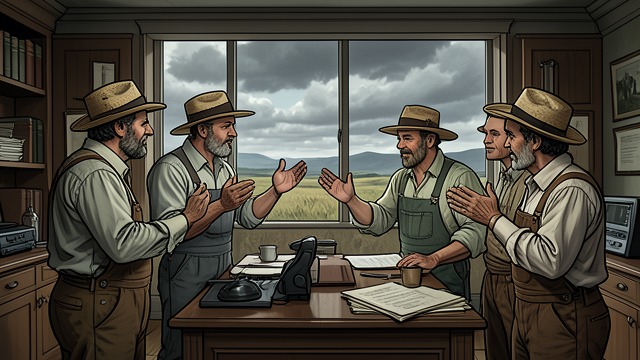
Control of Rural Labor
Agreements and Hiring
Peasant leagues win contracts governing wages, hiring, and seasonal work across the countryside. Their organizations shape daily economic life in towns where farm laborers face long periods without employment.
Fear on the Land
Landowners and small proprietors experience league control as a threat to property and authority. The conflict is not merely ideological: it concerns who decides how work, land, and local life are organized.
Violence at Decima
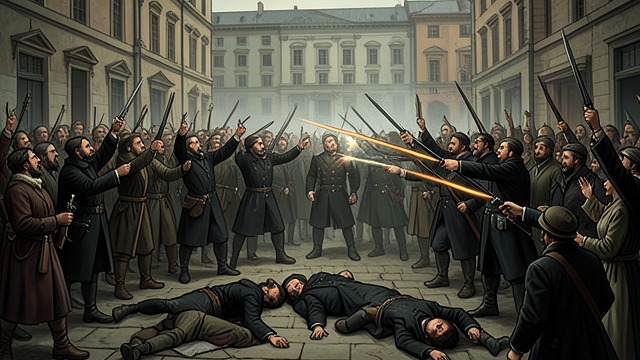
A Rally Turns Deadly
The Crowd and the Police
A dispute at a rural meeting escalates after a bottle breaks and a policeman is injured. Carabinieri fire into the unarmed crowd, killing eight and wounding many others.
A Self-Defense Argument
The killings intensify anger and help prompt local businessmen and landowners to organize social-defense associations. The tragedy becomes part of the case for armed reaction, even though state violence helped create the immediate crisis.
Control of the Harvest
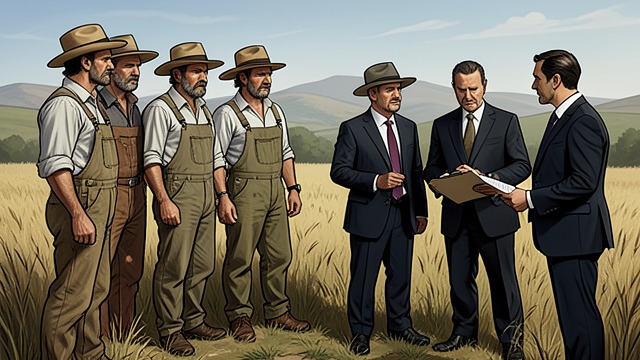
A Rural System Under Strain
Labor Rules Enforced
Leagues regulate crop work, threshing, and employment, while boycotts and penalties punish those who evade collective rules. The system offers workers leverage but can also coerce small farmers and dissenters.
Resistance Turns Inward
As the leagues’ authority expands, resentment grows among landowners and the rural middle class. Their fear and anger create openings for fascist organizers promising to break the leagues’ grip.
Squads Enter the Countryside
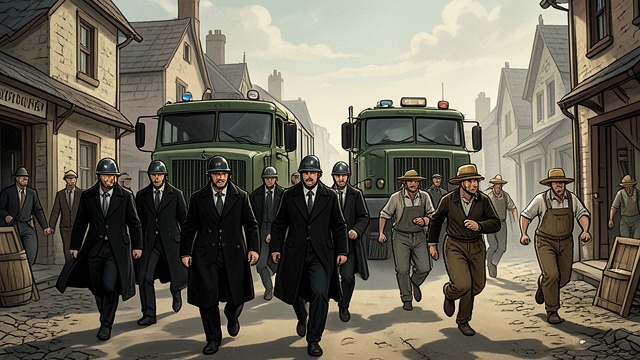
A Coordinated Offensive
Trucks and Surprise
Fascist groups set out from Ferrara in organized trucks to destroy peasant league offices in several villages. The raids combine mobility, weapons, local assistance, and intimidation.
Violence Reorders Power
The attacks establish a model for expanding fascist influence: destroy opponents’ institutions, force submission, and claim that the result restores order. The state does little to stop the assailants, while agrarian support sustains them.
The Leagues Collapse
A Rapid Reversal
Defeated Organizations
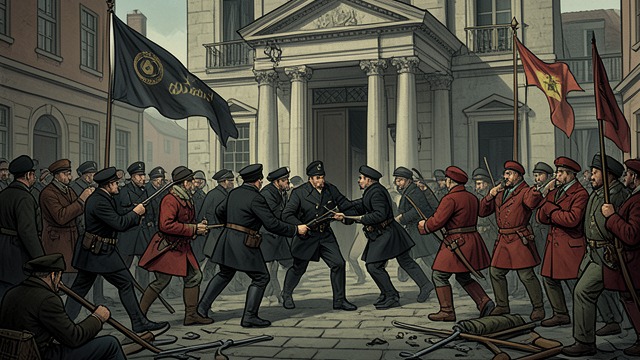
Fascist squads attack labor halls, cooperatives, and peasant organizations across the region. Many leagues dissolve, surrender their flags, or transfer their members into fascist unions.
A Changed Countryside
The collapse reverses a decade of organizing in a matter of months. Matteotti urges peasants not to respond to provocations, but their institutions and confidence are being destroyed faster than they can be rebuilt.
Spring 1920
April 1920
Summer 1920
January 1921
Spring 1921
