
Matteotti’s Murder and the Political Machine
M: Son of the CenturyThis flow follows the chain of operatives, officials, and concealed evidence that links the murder to the regime.
increasing Bearing strength in each event
 decreasing
Bearing strength in each eventdecreasingA Secret Organization
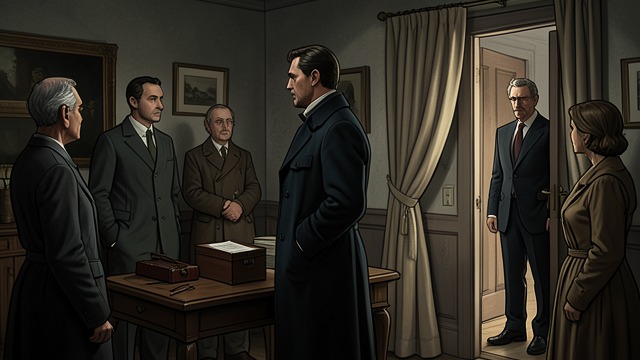
The Fascist Cheka
Violence beyond the Law
A clandestine unit is organized to conduct operations against fascism’s enemies while the government publicly promises legal order. Amerigo Dumini is selected as an operative, with financial and logistical support from political insiders.
An Unofficial Instrument
The group’s existence blurs the boundary between party violence and state power. Its members act with confidence because their positions depend on protection from those above them.
The Gang Is Assembled
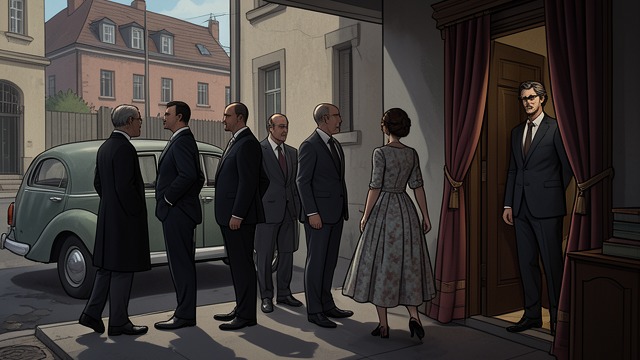
Preparation in Rome
Surveillance and Resources
Dumini and associates observe Matteotti’s routine, secure a car, and receive money and support. The operation is presented internally as a task to seize the deputy and obtain material he carries.
A Crime Made Possible
Their access to transport and official contacts makes the attack possible. The gang is not merely a spontaneous street crowd; it is connected to organized political networks.
Evidence Reaches the Palace
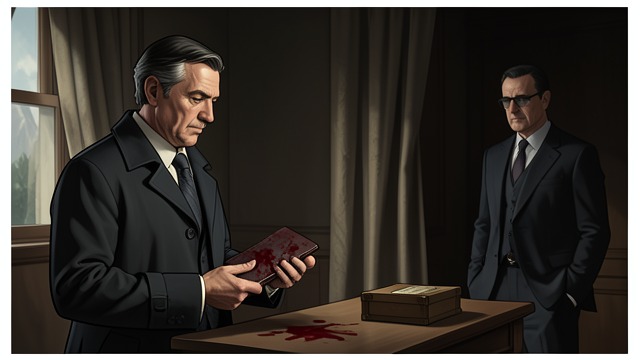
A Wallet and a Passport
Mussolini Is Informed
Fasciolo brings Mussolini Matteotti’s bloodied wallet, then later the victim’s passport. The Duce takes both objects and hides them in a desk drawer while directing his secretary not to spread the news.
Knowledge and Concealment
The objects connect the private office of the prime minister to the crime’s aftermath. Mussolini’s subsequent public statements of ignorance therefore deepen the conflict between official claims and private knowledge.
The Cover-Up Frays
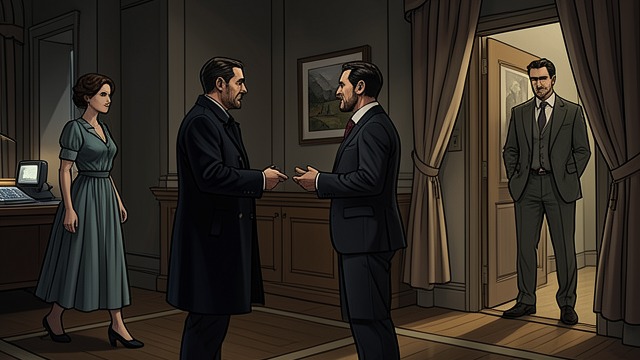
Arrests and Conflicting Stories
The Car Is Identified
A witness records the gang’s car, and police eventually arrest Dumini. De Bono privately tells him to deny the involvement of senior officials and to protect the regime.
A Chain of Responsibility
Rossi warns that the operatives may talk, while Marinelli and others try to erase evidence. The effort to isolate blame on the killers reveals how many political actors are implicated or afraid of exposure.
Rossi’s Account Surfaces

The Threat Becomes Public
A Confidential Record
Rossi writes that Mussolini and senior officials ordered or knew about illegal operations. His account is passed to trusted contacts and later published, challenging the regime’s claim that the murder was an isolated crime.
Political Survival
Mussolini does not fall immediately. The revelations produce outrage but also allow him to frighten allies, divide opponents, and present the scandal as a threat to the entire fascist movement.
January 1924
May–June 1924
June 11, 1924
June 12–22, 1924
December 1924
