
The Failed Pacification and Its Aftermath
M: Son of the CenturyThis flow traces the attempt to halt fascist-socialist violence and the provincial leaders’ rejection of peace.
increasing Bearing strength in each event
 decreasing
Bearing strength in each eventdecreasingA Pact Is Signed

An Attempt at a Truce
Parliamentary Negotiation
Representatives of fascists and socialists sign a pact promising to stop violence and punish offenders. Mussolini supports the agreement, hoping to make the movement more acceptable to national institutions.
Uneasy Signatories
The agreement is not rooted in trust. Both movements treat it as a tactical pause, while local fighters continue to see the conflict as existential.
Provincial Rejection
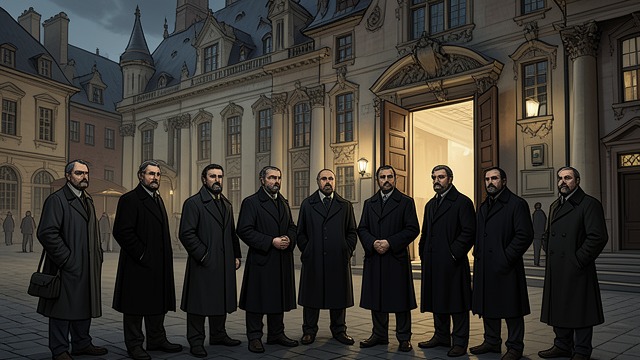
The Rases Defy Rome
A Refusal to Disarm
Fascist leaders in Tuscany, Veneto, and Emilia reject the pact within days. They argue that peace would leave their opponents’ organizations intact and deprive the squads of their purpose.
Mussolini’s Authority Tested
Mussolini condemns the rebels but cannot easily compel them. Their defiance shows that the movement’s armed leaders remain capable of overriding central policy.
D’Annunzio Declines
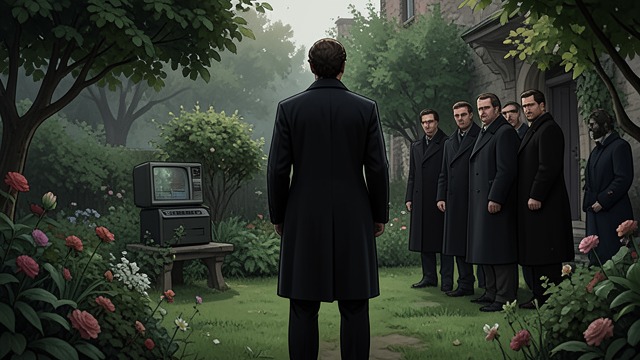
An Appeal to the Poet
Seeking Another Leader
Balbo and Grandi travel to Gardone to offer D’Annunzio leadership of the dissident movement. They hope his prestige can unite fascists opposed to Mussolini’s compromise.
The Stars Are Unfavorable
D’Annunzio delays and finally does not receive them. The provincial rebels return without a replacement leader, while Mussolini uses the moment to reassert his indispensability.
Resignation and Return
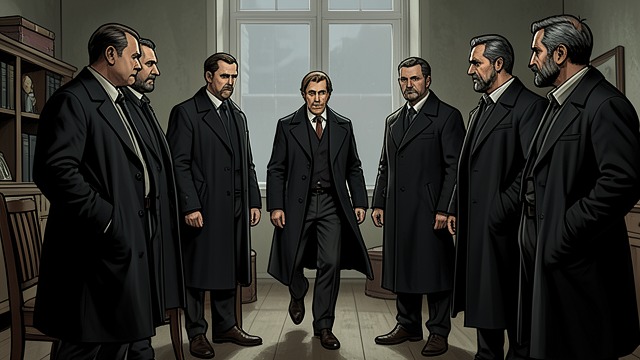
A Tactical Retreat
The Duce Steps Down
Mussolini resigns from the central committee, framing the conflict as a repudiation of the movement’s original spirit. The gesture dramatizes his dispute with the rases while avoiding a direct confrontation he might lose.
Unity Reassembled
The national council refuses to let him go. Mussolini returns as an indispensable leader, though the armed provincial factions retain much of their independence.
Violence Continues
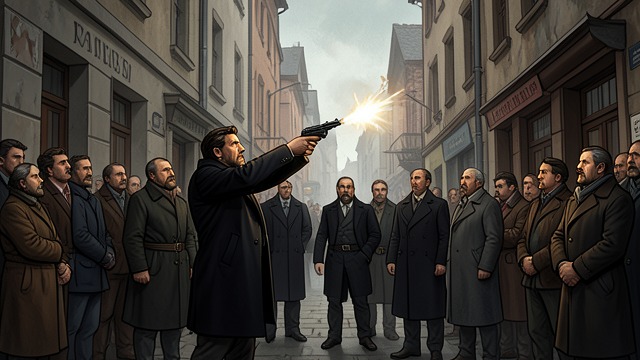
The Truce Fails
No Shared Enforcement
Neither fascists nor socialists establish a common mechanism to stop attacks. Local raids and reprisals continue, while leaders make public appeals that cannot control their followers.
A Lesson in Control
The failure strengthens Mussolini’s effort to centralize the movement, but it also confirms that violence is not a temporary tool easily put away. It has become part of fascism’s organization and identity.
August 3, 1921
August 1921
August 1921
August 1921
1921–1922
