
The Political Education of Italo Balbo
M: Son of the CenturyThis thread follows Balbo’s transformation from unemployed veteran into a powerful regional commander and national fascist official.
increasing Bearing strength in each event
 decreasing
Bearing strength in each eventdecreasingA Veteran without a Place

Searching for a Future
From War to Uncertainty
Balbo returns from the Great War decorated but without a stable civilian role. He is drawn into Ferrara’s political conflict as landowners seek protection against socialist leagues.
Joining the Squads
He enters a movement whose practical purpose is anti-socialist action, even though its early rhetoric includes social and nationalist promises. The contrast between his background and the interests he serves becomes a lasting tension.
A Violent Organizer
Ferrara’s Commander
Coordinated Raids
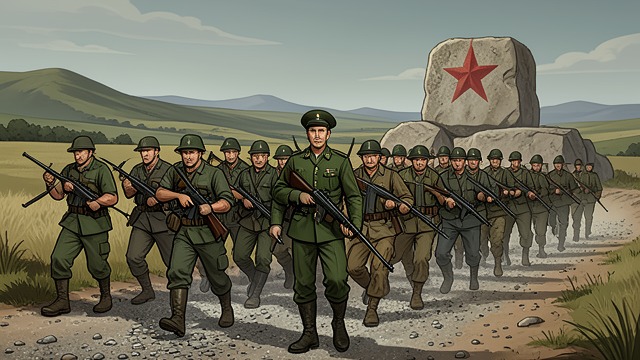
Balbo organizes mobile squads that attack labor organizations across the province. His campaigns use military planning, speed, and intimidation to dismantle socialist institutions.
Power and Public Spectacle
The raids make him a celebrated leader among fascists and an object of fear among their opponents. He learns that violence can create political authority as well as destroy rivals.
The Ferrara Occupation
A Mobilization of the Poor
The City Is Surrounded
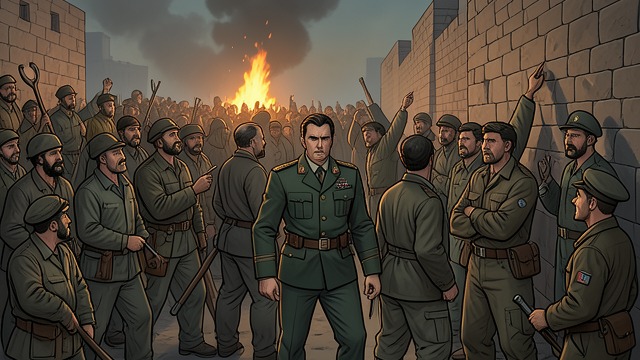
Balbo brings tens of thousands of unemployed farmworkers into Ferrara to demand state-funded public works. The occupation is carefully organized and presented as a display of fascist capacity.
Victory without Confrontation
The government yields, and Balbo can claim that fascism provides bread and order. The episode expands his power while demonstrating that mass performance may achieve what a direct assault might not.
The March on Bologna
Testing the State
Occupation and Threats
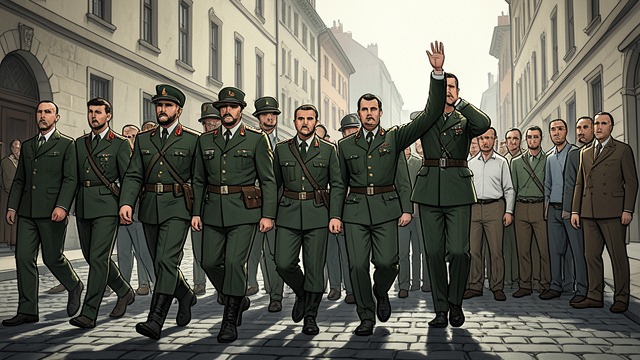
Balbo leads squads into Bologna, where they challenge state authority and attack socialist institutions. The operation pressures the government to remove the prefect who has restricted fascist actions.
A Dress Rehearsal
The state retreats rather than confront the occupiers. Balbo interprets the outcome as evidence that organized pressure can force concessions, and the possibility of a later march on Rome becomes more concrete.
From Ras to Generalissimo
A National Command
Authority over the Militia
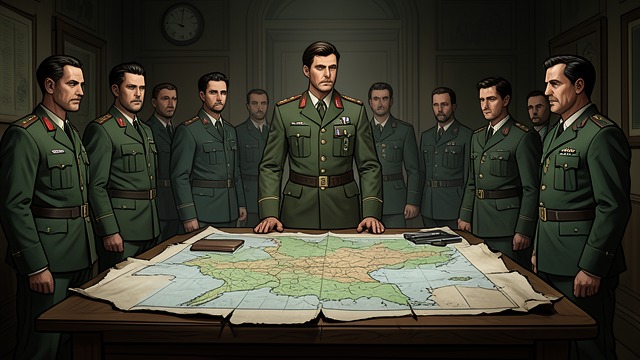
After the March on Rome, Balbo is given a leading role in organizing the national fascist militia. The former local commander is expected to impose discipline on men trained in independent violence.
The Limits of Control
His reforms face resistance from the very squadristi who once followed him. Balbo’s position becomes a test of whether fascism can institutionalize violence without losing the allegiance on which its power rests.
1919–1920
January–December 1921
May 11–14, 1922
May–June 1922
1922–1924
