
Violence as Fascist Political Grammar
M: Son of the CenturyThis flow follows how fascist leaders justify, organize, conceal, and normalize violence as both tactic and political identity.
increasing Bearing strength in each event
 decreasing
Bearing strength in each eventdecreasingThe Arditi Model
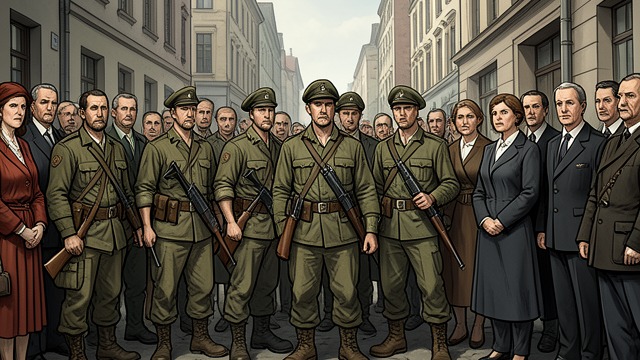
Combat Replaces Civilian Life
Veterans Seek Recognition
Demobilized assault troops return from war to a society that no longer values their skills or rituals. Their weapons, uniforms, and memories make civilian politics feel like an extension of combat.
A Ready-Made Force
Mussolini recognizes that veterans can supply organization and intimidation. The movement draws on the war’s habits, converting military identity into a political resource.
From Defense to Retaliation
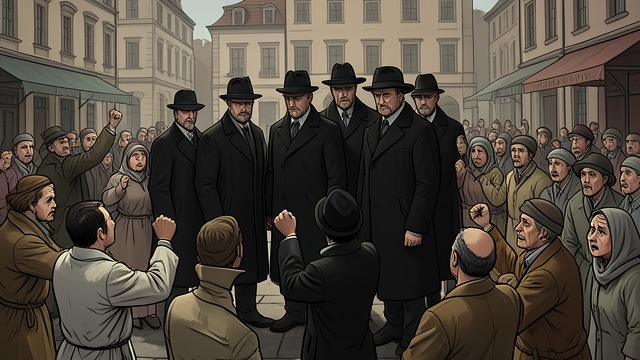
Violence Claims Necessity
A Reciprocal Story
Fascists describe their actions as responses to socialist aggression, while socialists see them as attacks on labor and political rights. Each side’s account makes further violence appear justified.
Reprisal Becomes Routine
Raids, beatings, fires, and retaliation increasingly displace political argument. The language of defense conceals how the squads move from protecting territory to conquering it.
Organization and Hierarchy
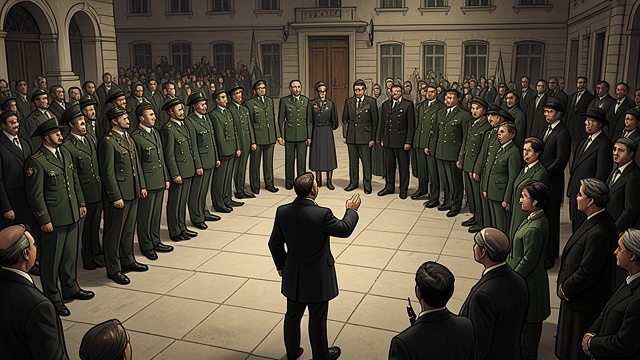
A Party-Militia System
Centralizing Armed Men
Mussolini seeks to formalize the squads through a national militia. Ranks, exams, and centralized command are intended to make violence answerable to the state and to the party leader.
Control without Disarmament
The militia brings armed formations into official structures but does not remove their weapons or their political purpose. Violence is reorganized rather than ended.
The Murder of an Opponent
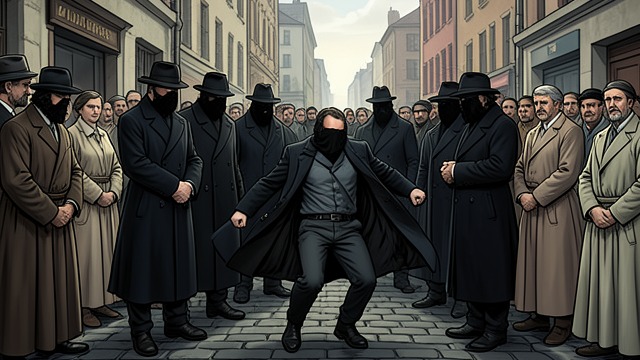
Violence Crosses a Threshold
A Political Abduction
Matteotti’s abduction and murder reveal the lethal end of a system built on intimidation. The killers are connected to an apparatus that has operated under political protection.
Denial and Responsibility
Mussolini publicly condemns the crime while privately concealing evidence and managing the consequences. The episode shows how violence can escape its organizers’ control while still serving their political aims.
The Regime Absorbs Its Killers
Coercion Becomes Government
The Crisis Is Survived
Public anger and political defections threaten the regime after Matteotti’s murder. Mussolini waits, reorganizes support, and avoids immediate prosecution.
Dictatorship as Resolution
In January 1925, he claims responsibility for fascism and presents force as the answer to political conflict. The violence that once operated through squads becomes an openly acknowledged foundation of government.
1918–1919
1919–1920
1921–1923
June 1924
Late 1924–1925
