
Mussolini Builds a Movement from Defeat
M: Son of the CenturyThis thread follows Mussolini from an isolated interventionist and failed candidate to the head of a mass fascist movement and government.
increasing Bearing strength in each event
 decreasing
Bearing strength in each eventdecreasingSan Sepolcro Founding
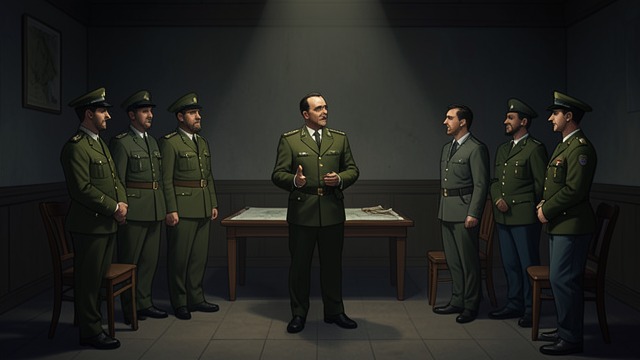
A Small Beginning
The Empty Hall
Mussolini addresses fewer than a hundred men at the founding of Fasci di Combattimento. The movement is a loose gathering of veterans, Arditi, nationalists, former socialists, and political misfits rather than a disciplined party.
A Politics of Action
Its platform mixes radical social demands with nationalism and militarism. That instability initially looks like weakness, but it lets the movement appeal to incompatible grievances without binding itself to a consistent doctrine.
A Failed Electoral Venture
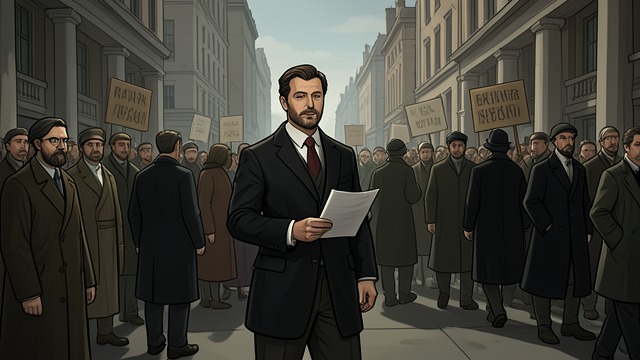
The Ballot Defeats the Fasci
Rejection at the Polls
The fascist list wins only a few thousand votes in Milan, and Mussolini is not elected. The socialists, by contrast, secure a sweeping victory, while a mock funeral procession dramatizes the apparent death of fascism.
Survival through Refusal
Mussolini treats defeat as a temporary condition rather than a verdict. The movement’s small armed core remains, and its leader begins to see that parliamentary popularity is not the only route to power.
The Turn toward the Right
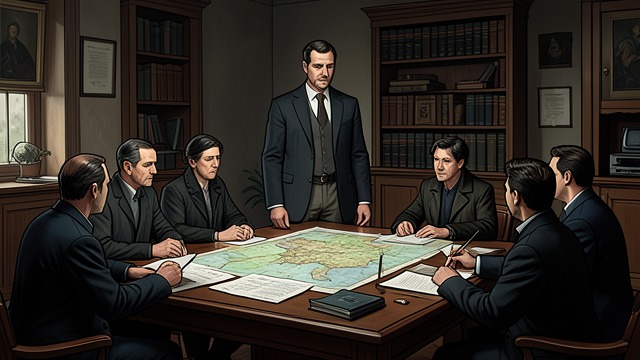
A New Social Base
Leaving the Original Platform
At the second national congress, Mussolini abandons much of the San Sepolcro program. He signals accommodation with the monarchy, business, and established institutions, while the Futurists protest the shift.
Opportunism as Strategy
The change is not a clean conversion into conventional conservatism. Mussolini retains the movement’s flexibility, treating alliances as instruments and the party’s identity as something that can be revised to match political opportunity.
The Movement Gains the Streets
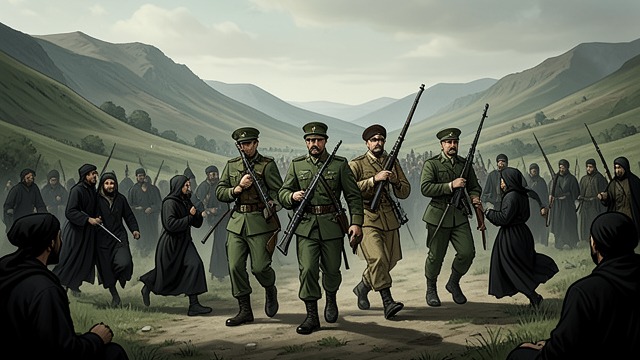
Violence Becomes Leverage
Rural Expansion
After clashes in Bologna and Ferrara, fascist squads move through the Po Valley attacking labor organizations and socialist institutions. Agrarian money and local middle-class fear help expand a movement that had previously been marginal.
From Reaction to Offensive
The squads are no longer merely presenting themselves as defenders against revolution. They become an organized force capable of destroying opponents’ institutions, while Mussolini works to translate that force into national influence.
From Movement to Party
A Compromise with the Rases
The Roman Congress
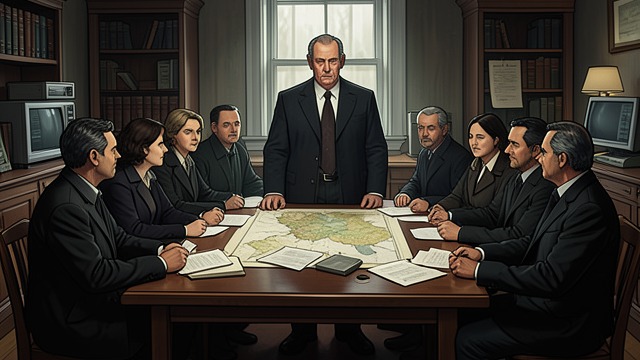
At the national congress in Rome, provincial leaders and Mussolini’s supporters contest the movement’s future. Mussolini sets aside the disputed pacification pact and persuades the factions to establish the National Fascist Party.
A Convertible Organization
The new party offers a structure for parliamentary politics without abandoning its armed formations. The movement becomes more centralized, but the tension between political control and squad autonomy remains unresolved.
March 23, 1919
November 16, 1919
May 1920
Winter 1920–1921
November 7–9, 1921
