
Sarfatti’s Love and Cultural Project
M: Son of the CenturyThis flow traces Sarfatti’s role as Mussolini’s lover, political interpreter, and architect of a fascist cultural identity.
increasing Bearing strength in each event
 decreasing
Bearing strength in each eventdecreasingRecognizing Mussolini
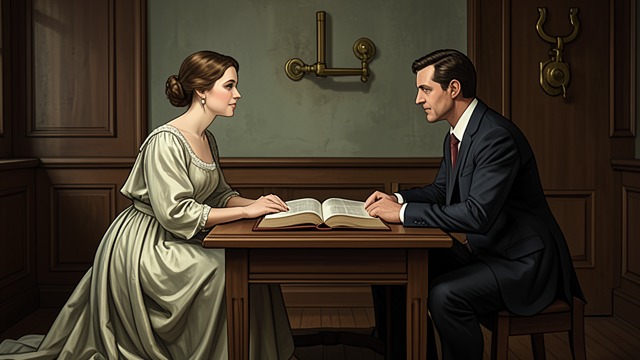
The Future Leader
An Early Encounter
Sarfatti meets Mussolini when he becomes editor of Avanti!, and recognizes an energy unlike the established socialist leaders. Her husband has already marked him as a man to watch.
Intellectual and Political Proximity
Their relationship grows amid artistic circles and socialist politics. Sarfatti sees both the roughness that needs refining and the ambition that might carry him into national history.
A Lover as Mentor

Education and Intimacy
Shaping a Public Figure
Sarfatti introduces Mussolini to books, art, clothes, and elite society while continuing a relationship that joins intellectual companionship with desire. She helps him imagine a public style beyond the provincial revolutionary.
A Vicarious Political Role
With women excluded from formal power, she seeks influence through a man. Her work is real, but it also binds her political hopes to his increasingly independent ambitions.
Mussolini’s Ascent

The Lover at the Center
Private Support
As Mussolini becomes prime minister, Sarfatti advises him and helps develop a language of order, national culture, and modern classicism. Their intimacy continues alongside her involvement in his public image.
A Partnership on Unequal Terms
She wants to share in the cultural power surrounding the regime, while Mussolini protects his own freedom and treats relationships as separate arenas. Her proximity to power does not ensure that she can command it.
The Novecento Exhibition
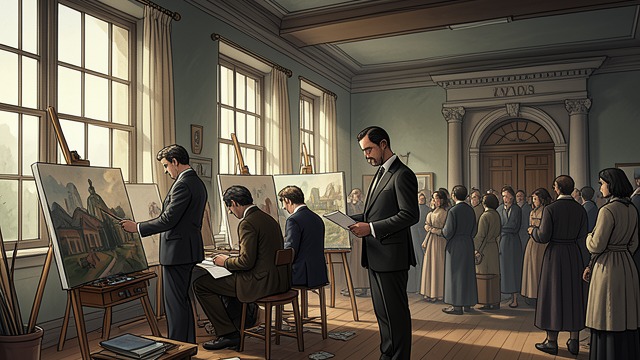
Art for a New Era
A Cultural Program
Sarfatti gathers painters around an ideal of modern classicism and presents their work in Milan. Mussolini reads remarks she has prepared, lending his authority to her artistic project.
Success and Exclusion
The exhibition makes Sarfatti a visible cultural figure, but dissenting artists reject the event and the alliance with fascism. Her influence depends on a political intimacy that remains vulnerable to Mussolini’s choices.
A Fraying Attachment
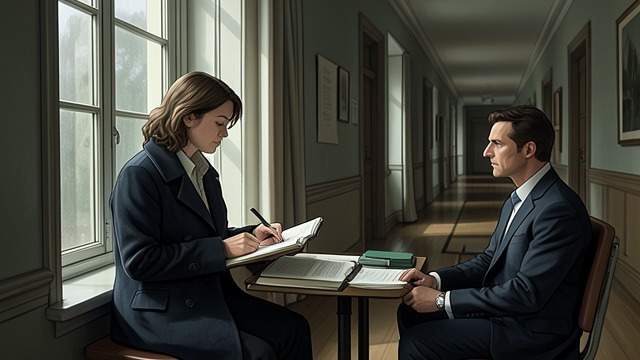
Distance within Intimacy
Repeated Absence
As election pressure rises, Mussolini spends less time with Sarfatti. She writes of disappointment, asks for greater independence, and seeks permission to travel while still hoping to preserve their bond.
Unequal Futures
Sarfatti’s cultural ambitions and private loyalty cannot resolve the imbalance between them. Mussolini’s political life expands, while she increasingly waits for attention that he can withdraw at will.
1912–1913
1919–1921
1922–1923
March 1923
Spring 1924
