
The Peasant Leagues and Fascist Counteroffensive
M: Son of the CenturyThis flow follows the rise of rural labor organizations, their coercive power, and the fascist campaign that breaks them.
increasing Bearing strength in each event
 decreasing
Bearing strength in each eventdecreasingA Rural Balance Shifts
Labor Organizes
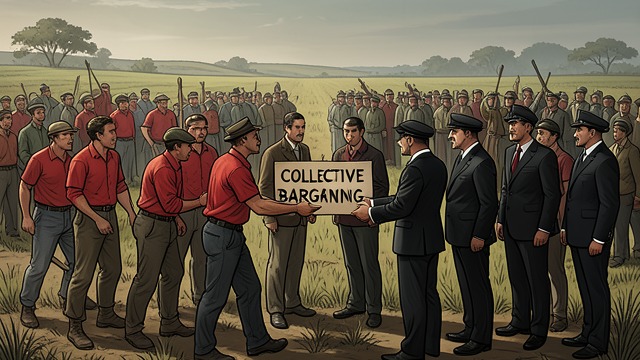
Collective Bargaining
Peasant leagues organize farmworkers, sharecroppers, and tenants, negotiating hiring practices and wages across northern provinces. Their reach gives rural workers a voice in decisions previously controlled by landowners.
A New Local Authority
League power improves workers’ leverage but can also impose boycotts and penalties. The transformed countryside becomes a battleground over whether collective organization or private property will govern everyday life.
Landowners Organize
Fear Finds a Structure
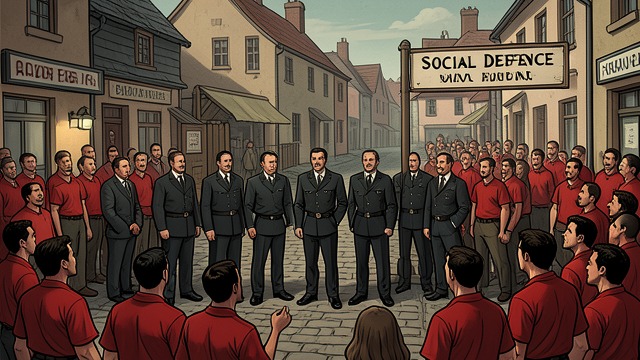
Social Defense
After killings and strikes, business associations and landowners organize to defend property and demand state support. Their money and connections provide a potential source of arms and resources for fascist groups.
A Coalition of Grievances
Small proprietors, employers, and frightened middle-class residents do not share identical interests. Opposition to socialist power nonetheless brings them into a coalition with the squads.
The Rural Raids
Institutions Become Targets
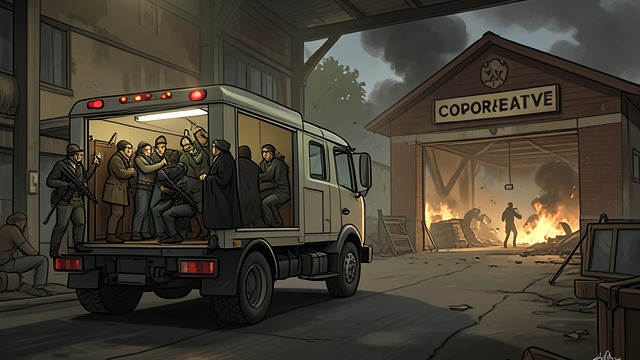
Organized Destruction
Fascist squads travel by truck to attack labor halls, cooperatives, and league offices. Leaders are threatened, beaten, or driven away while the local organizations lose their meeting places and records.
State Impunity
The attackers often operate with limited interference from police or courts. The asymmetry between mobile armed squads and communities defending fixed institutions accelerates the collapse of the rural movement.
A Warning from Matteotti

Resistance or Survival
The Call to Stay Home
Matteotti urges peasants not to react to provocations, even describing silence and apparent cowardice as potentially heroic. He hopes that restraint can preserve lives and keep the movement from being crushed.
A Painful Calculation
His counsel reflects the overwhelming strength of the squads but also frustrates militants seeking immediate resistance. The strategy saves some people from direct confrontation while leaving their institutions vulnerable.
The Rural Order Reversed
From League to Fascist Union
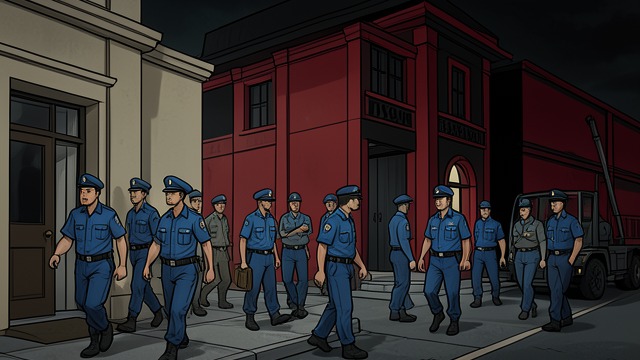
Organizational Collapse
Many former socialist workers enter fascist unions after the destruction of their leagues. Some do so under pressure, others from hunger or a desire to regain access to work.
A New Dependency
The transfer of allegiance gives fascism a mass rural base, but it does not erase economic hardship. Instead, work and representation become increasingly dependent on organizations aligned with the regime.
1919–spring 1920
April–August 1920
January–April 1921
1921
1922–1923
