Flata Polisine
M: Son of the CenturyFratta Polesine is presented as Giacomo Matteotti’s birthplace and as a place where political hopes for the surrounding Polesine countryside met the daily realities of poverty and conflict. In October 1920, as local elections unfolded across the province, Matteotti returned to address an audience whose expectations were shaped by hardship—and whose faith in socialist redemption could also take a coercive form.
Setting and Local History
The account identifies Fratta Polesine as Matteotti’s birthplace and places it within the amphibious landscape of Polesine, a low-lying region marked by waterways, canals, drainage works, and longstanding rural deprivation. The town also carries a distinct historical and architectural presence: Palladio designed his first villa there, with a pronaos and pediment, and Europe’s largest Bronze Age necropolis is located there.
The wider region’s poverty is recalled through the story of a cow that died of anthrax. After officials ordered the carcass buried, hungry peasants dug it up and divided what remained. Matteotti had heard this story repeatedly, but could no longer be sure whether his memory of it was exact. What he regarded as certain was the poverty of the land. The episode belongs to the account of Polesine’s suffering, not to a claim that the incident itself occurred in Fratta.
Matteotti’s Return
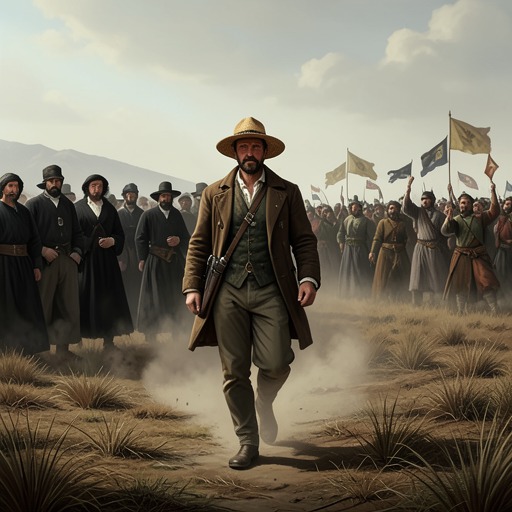
On October 12, 1920, Matteotti stood at the place where a rally would be held in his birthplace. The scene turns him, for a moment, into the sickly child watching from the balcony of the family manor as his father handed him binoculars to observe the misery on which the family’s prosperity rested. As an adult, Matteotti had rejected the class position into which he had been born: he identified with the peasants rather than with his father and grandfather, and chose their cause as his own.
His politics were not those of an immediate, maximalist revolution. In parliament he was characterized by moderation and judgment, and he argued for the oppressed class’s gradual liberation through sustained effort, sacrifice, and struggle. In Polesine, among people whose lives had been shaped by deprivation, he spoke with a sharper urgency. His appeal was: “Comrades, sell the grain. Sell the grain and buy a revolver.” The contrast between his gradualist political outlook and the force of this local exhortation gives the rally its tension.
Elections and Political Conflict
Local voting began in early October, with election rounds held throughout the month. The first reported results showed socialist candidates winning in all 25 municipalities counted at that point. Thirty-eight municipalities remained, including Fratta Polesine. Matteotti hoped that his socialist comrades would win there too, giving the party control of the province; the account presents this as an expectation, not as a confirmed result.
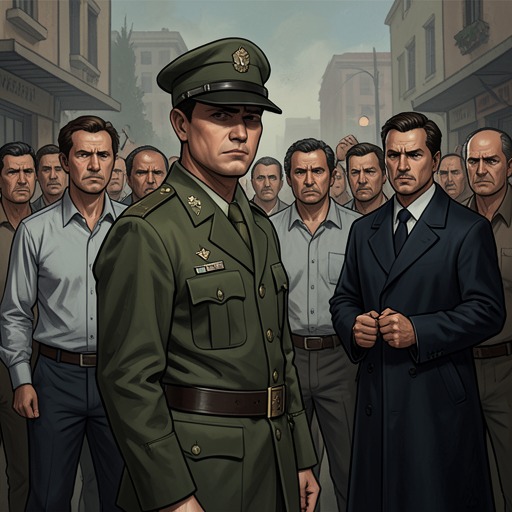
That prospect of political change existed alongside intimidation and violence. Churches had been forced to close, people attending Mass were attacked, and communist squads armed with clubs patrolled polling places, compelling voters to submit pre-completed ballots. Matteotti intervened when his farmers beat the Catholic deputy Umberto Merlin at the entrance to a polling place in Lendinara. Merlin had warned that socialist leaders were inflaming hatred and driving workers toward revolutionary hopes; the attack appeared to support his accusation. The episode makes clear that the election was not simply a contest between political programs: the right to vote and the safety of political opponents were also at stake.
Narrative Significance
Fratta Polesine gathers the account’s central conflict into a local setting: a son of landowners speaks for the impoverished people of the countryside, while the promised transformation of their lives unfolds amid intimidation and reprisals. The town’s election is described through hope—the prospect that socialist victories might begin a new world—but that hope is qualified by the violence already accompanying it.
The place therefore matters both as Matteotti’s point of origin and as the setting for his chosen political allegiance. His return to address the peasants connects his childhood memory of rural misery to his public commitment, while the uncertain outcome in Fratta leaves the political promise unresolved.