Farmhouse Safehouse
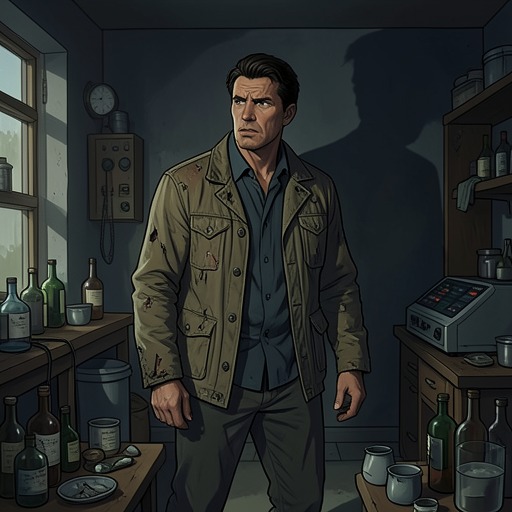
MARRIED TO MY MASTER: A Bad Boy Hitman RomanceFarmhouse Safehouse is a former family home incorporated into the Butchers’ emergency network. After an attack scatters the club, Grizzly brings Ana there, where members gather, tend to those hurt, and prepare to respond. The farmhouse’s ordinary domestic layout remains visible, but its role has changed: it is now a refuge shaped by the club’s collective rules, dangers, and obligations.
Place in the Butchers’ Safehouse Network
The farmhouse is one of several safehouses maintained by the Butchers. The arrangement is deliberately practical: every member knows where each refuge is, so that those caught in trouble can reach a secure location without having to search for directions or wait for instructions. This shared knowledge makes the buildings part of the club’s emergency planning rather than private hideaways known only to its leaders.
During the motel attack, Grizzly’s first priority is to get Ana away from the scene. He takes her on his motorcycle and heads for the closest safehouse. He describes the usual trip as about an hour at a decent speed, but says he makes it in roughly twenty minutes by riding fast through town, arriving with less than a quarter tank of fuel. The contrast between the ordinary travel estimate and his hurried journey conveys the immediate urgency of getting Ana to shelter, without suggesting that the farmhouse itself is a purpose-built or fortified site.
History and Transfer
The building is an old farmhouse that once belonged to the family of a young man associated with the group when it still called itself the Skinners. After the young man was killed, his family began packing to leave. They allowed the club to put the property to use, expecting that it would be useful to the group. The safehouse therefore emerges from a specific loss and departure: a family leaves a home after the death of its son, and the club turns that vacated home into a resource for its own survival.
That history gives the farmhouse a place in the transition from the Skinners to the Butchers. It is not presented as a new headquarters or as a symbolically redesigned clubhouse; the evidence identifies it as a former family home repurposed for emergencies. Its usefulness comes from being available to the group and included in a network its members can rely on. The domestic property and the club’s continuing need for refuge occupy the same space without erasing the circumstances that brought the building into their possession.
Shelter After the Attack
When Grizzly arrives, several members are already outside, tense and waiting. Kid waves to him, with blood on his face that Grizzly does not think is his. Grizzly asks how many attackers there were, and Jet answers. Other motel guests have been fleeing the attack, but Grizzly’s attention stays on Ana; he believes the nightmare she had the previous night may make the events especially difficult for her. His decision to take her away separates her immediate need for safety from the club’s wider response.
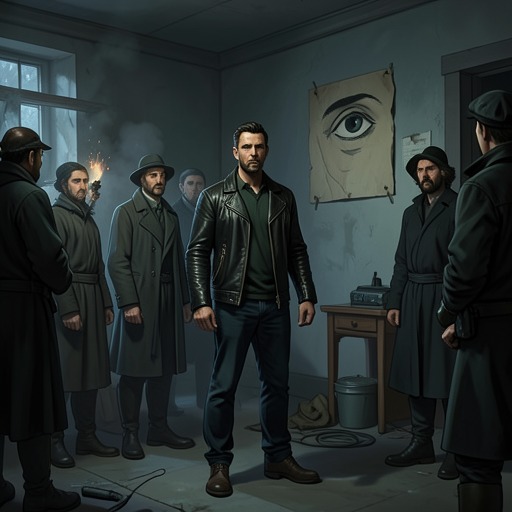
Inside, the farmhouse still resembles a normal family home, but the living room is occupied by exhausted bikers, some tending to wounds, and there are signs that violence has entered the room. The contrast is functional rather than decorative: the house’s familiar arrangement gives the arriving group rooms in which to gather and recover, while its use as a refuge brings the consequences of the attack into those domestic spaces. As more members arrive, the house becomes a staging place for the club’s next decisions as well as temporary shelter.
Ana’s Room and the Club’s Boundaries
Grizzly takes Ana to a guest room and lets her choose whether it is suitable. She asks only to be told when it is time to leave, and he lets her close the door herself. The separation matters: Ana is inside the safehouse, but Grizzly does not treat her presence as permission to enter her room or decide what she should do there. The scene also recalls an earlier parting for him, connecting the immediate act of giving her space with the memory of her having left years before.
The club members notice that a woman is staying near Grizzly and tease him about having a girlfriend. He corrects them: Ana is in the room beside his, not his room, and is not a club girl. He warns them to leave her alone. The exchange establishes a clear boundary around her presence at the farmhouse, even as the group’s joking shows that they read her arrival through their assumptions about Grizzly’s relationships.
The distinction between protection and possession is also illuminated by Candy’s account of Grizzly’s conduct in another motorcycle club. She says he intervened after seeing club girls mistreated and offered them the option of joining him in a better place within the life; she joined him and has not regretted it. That history does not turn the farmhouse into a refuge for club girls specifically, but it helps explain the standards Grizzly asserts when he tells his men to leave Ana alone. At this house, emergency shelter entails an obligation to respect the person being sheltered.
Narrative Significance
Farmhouse Safehouse brings the Butchers’ mutual support into concrete, ordinary surroundings. Members know how to find it; one family made it available after leaving; and, following the attack, the group gathers there without any deaths, though members have been hurt. Its role is therefore both logistical and communal: it offers a place to regroup while revealing how the club’s shared resources depend on a network of relationships, memory, and rules.
The farmhouse also holds two different kinds of aftermath at once. The club’s men use the living room to recover and begin assessing what happened, while Ana withdraws to a separate guest room and asks to be told when she must leave. The house does not resolve the danger or make its occupants untouched by it. Instead, it provides a temporary structure in which the Butchers can gather, protect Ana, and continue—while the ordinary rooms retain traces of the violence that made the refuge necessary.