The Skinners' decimated state
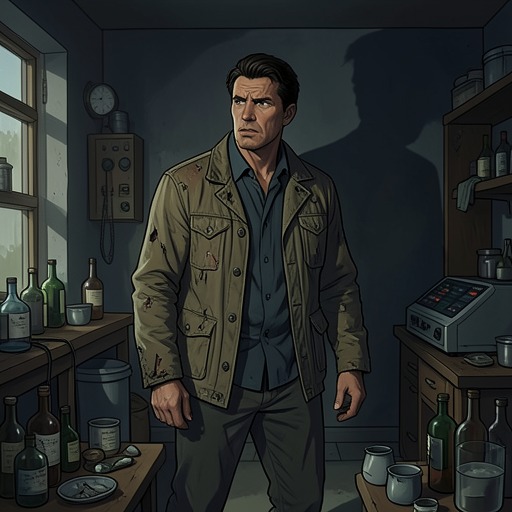
MARRIED TO MY MASTER: A Bad Boy Hitman RomanceThe Skinners' decimated state is the aftermath of a raid that nearly erased Grizzly’s former motorcycle club and left its survivors to rebuild under a different name. The destruction remains more than a past defeat: it shapes how the Butchers protect their people, how Grizzly understands leadership, and how Ana experiences her return to club life. The new organization rises from the old one’s ashes, but the memory of what happened remains active in its choices and fears.
Destruction and its immediate aftermath
The old club was devastated in a raid that Grizzly later described as having wiped the Skinners out. At the time, he believed that a friend and brother from the club had died in that final assault. That man had also been Ana’s partner. The presumed loss joined the destruction of the group to the intimate histories of its members: the raid took away not simply a club, but people and relationships around which their lives had been organized.
The collapse also left practical consequences beyond the club itself. A farmhouse that had belonged to the family of a Skinner member became a safehouse for the group. After their son was killed, his family was preparing to leave the area; they let the club make use of the property, knowing it would serve a purpose. The house thus carries a direct connection to the losses that preceded the Butchers. It is a refuge made available through another family’s bereavement, and an example of how the survivors relied on scattered safehouses to shelter members when events turned dangerous.
From the Skinners to the Butchers
Grizzly frames the Butchers as a continuation made possible by refusing to let the Skinners’ destruction become the end of the group. He had never stopped belonging to a motorcycle club; the Skinners were decimated, but the Butchers emerged from what remained. His resolve that the club would not be broken up and disbanded so quickly gives the rebuilding a defensive as well as organizational purpose. The new name marks a break, but it does not erase the people, memories, or responsibilities inherited from the old club.
The rebuilt club deliberately began from scratch. The Butchers constructed a new clubhouse rather than simply restoring the old one, treating the fresh start as something that should be made visible in the group’s surroundings. Yet the break was not complete: they kept some things from the former clubhouse before the city removed it. By the time Grizzly spoke about it, the old site was only an empty plot of land. The contrast is stark: a new building for the club that survived, and no building at all where the old one had stood.
Leadership, protection, and inherited loss
The earlier collapse informs Grizzly’s conduct as president of the Butchers. When an ambush left members at risk, he recognized how closely the situation resembled the events five years earlier. This time, he saw the cleanup as his responsibility: these were his people, and Ana was under his protection, whether or not she accepted the description of herself as his partner. He ordered a watch among those still able to stand guard and told the others to stay low until the club could understand what had happened. His caution about avoiding guns and keeping conflicts with other motorcycle clubs limited makes an unknown ambush especially alarming; it suggests a danger outside the conflicts the Butchers considered manageable.
The old losses also echo in Grizzly’s care for younger members. Kid’s older brother had been a prospect before the earlier catastrophe, and Kid looked up to what the rebuilt club had become. Grizzly described trying to keep him in line so that the same kind of disaster would not happen again. The past therefore works as a warning within the club: experience of the Skinners’ destruction shapes how the president guides a young member who admires the organization that came after it.
The cost of returning
For Ana, the Butchers’ survival does not make returning to the clubhouse uncomplicated. Grizzly had remained in club life, while she had spent her time running from it and keeping away from motorcycle clubs. He had not considered how being back among the Butchers might bring the past to the surface for her. She said she had not expected to think about it so much, even as she insisted that returning was not too much for her. The difference between their experiences is consequential: the club represents continuity to Grizzly, but for Ana its presence also recalls what she had tried to escape.
The rebuilt club’s everyday rules reveal what kind of continuity its members wanted. Grizzly firmly told the others to leave Ana alone and made clear that she was not a club girl. Candy, who had come from another motorcycle club, explained that women there had been treated badly; Grizzly had intervened after seeing club girls beaten and mistreated in public, then offered them the option of joining him for a better place within the life. Candy chose to come with him and said she had not regretted it. This account presents the Butchers’ new beginning not only as reconstruction after violence, but as an effort to distinguish their conduct from abuses Candy had experienced elsewhere.
An unfinished reckoning
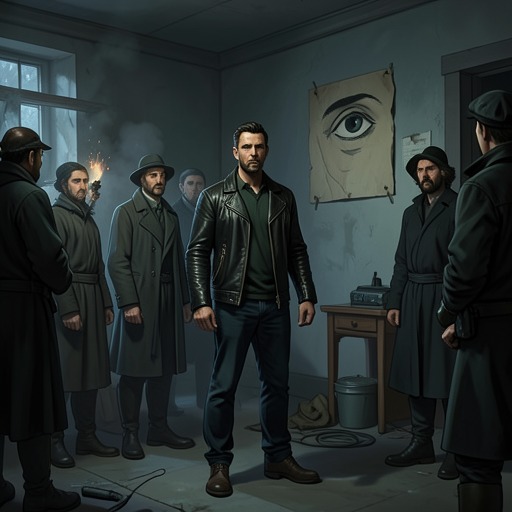
The old devastation returns when Grizzly learns that the man presumed killed in the raid survived. That former Skinner had built a separate group and was now dangerous and volatile, convinced of events that Grizzly said had not happened and unwilling to discuss the truth. Grizzly gathered the Butchers before a planned confrontation, explained the man’s history and connection to Ana, and made clear that he wanted to prevent another disaster like the one five years earlier. The past is no longer only a memory or a place that has disappeared: a presumed-dead survivor has carried it into the present as a vendetta.
The Skinners’ decimated state thus has consequences across generations of club membership and across the boundary between past and present. It explains the Butchers’ insistence on rebuilding, their vigilance when violence appears, and Grizzly’s sense of obligation toward both his members and Ana. Yet the new clubhouse and changed name cannot settle what the old raid left unresolved. The group’s survival is real; so is the possibility that the violence from which it emerged may return.