
Faith Under the Weight of Racial Violence
Ma Rainey's Black BottomThis thread traces the escalating dispute between Levee and Cutler as personal trauma and remembered racial violence turn religious disagreement into a physical confrontation.
increasing Bearing strength in each event
 decreasing
Bearing strength in each eventdecreasingLevee Invokes the Devil

Defiance as a Bargain
A Story of Selling a Soul
When the musicians discuss a man said to have sold his soul to the devil, Levee says he would gladly meet the devil himself. He speaks as someone who believes that ordinary life has already offered him little protection or reward.
Cutler’s Warning
Cutler responds that God will punish Levee for blasphemy. Levee rejects the warning, treating divine authority as powerless against the bad luck he has known. Their disagreement begins as banter but establishes a divide between Cutler’s faith and Levee’s suspicion that no higher power will intervene for him.
The Family’s Violent Past
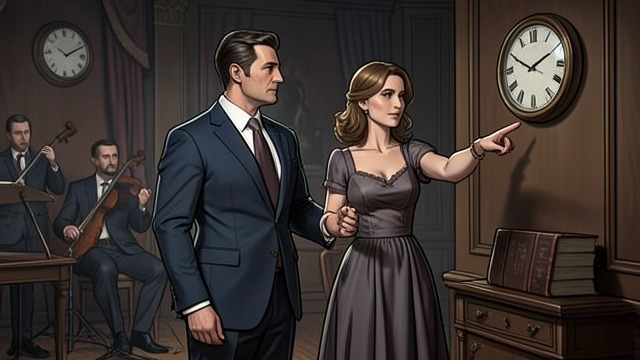
Levee Explains His Defiance
A Childhood Assault
Levee recounts how, when he was eight, white men attacked his mother while his father was away. He tried to fight them with a knife and was left with a scar. The story gives his defiance a history rooted in helplessness and racial violence.
Revenge and Its Cost
His father learned the attackers’ identities, sold the family land, and later returned to kill four of the men before being captured, hanged, and burned. Levee remembers his father’s apparent composure as a lesson in how to handle white men, but the account also shows the devastating price of retaliation.
A Challenge to God
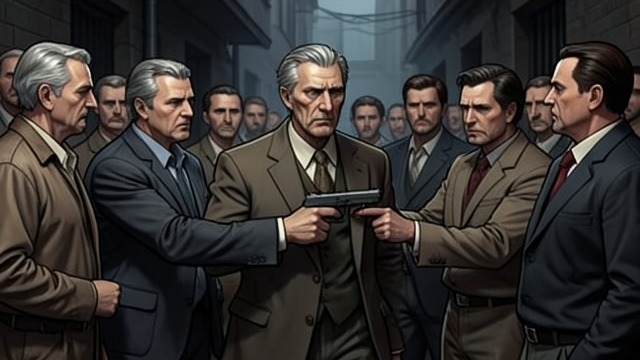
The Argument Turns Personal
A Story of Coercion
Cutler describes Reverend Gates being threatened by a white mob and forced to dance to survive. Levee challenges the religious meaning of the story: if Gates was a man of God, he asks, why did God not protect him from the mob?
Opposing Explanations
Cutler sees Levee’s attack on God as an intolerable insult to his faith. Levee answers that the suffering of Black people suggests God does not hear their prayers. The story of public humiliation becomes the ground on which their incompatible interpretations of racial violence collide.
The Knife Between Them
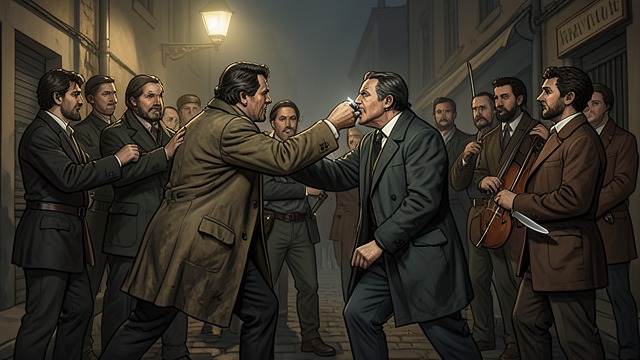
Belief Becomes Violence
Cutler Strikes
Cutler punches Levee and attacks him after Levee declares that God hates Black people. The physical blow answers words with force, making clear that the argument has crossed beyond a contest of ideas.
Levee Turns on the Divine
Other musicians pull Cutler away, but Levee draws a knife and dares Cutler’s God to save him. Instead of directing the threat only at Cutler, Levee addresses God and recalls his mother calling for help during the attack. His rage draws present conflict into the unresolved trauma of his childhood.
A God Declared Absent
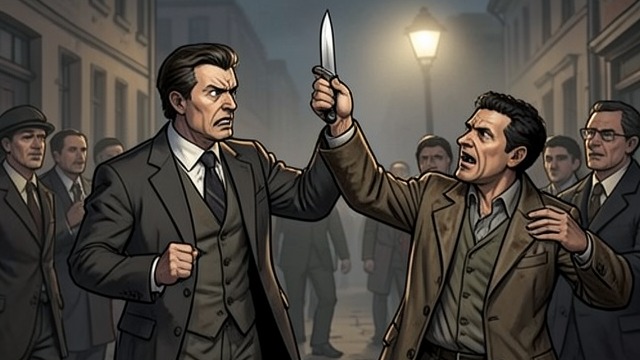
No Answer to the Challenge
A Final Accusation
Levee continues calling for God to strike him down or save Cutler, reliving the cries he heard from his mother. He eventually folds the knife and announces that Cutler’s God is worthless.
The Conflict Remains Unresolved
No divine intervention answers Levee, and Cutler’s physical assault has not persuaded him to return to faith. The scene ends with Levee’s crisis sharpened rather than healed. His rejection of God becomes a lasting emotional pressure, not a settled argument between the two men.
During the band room conversation before Ma arrives
After Sturdyvant leaves the band room during rehearsal
During the Act Two band room argument about Reverend Gates
Immediately after Levee denounces God
At the close of the band room confrontation
