
Innovation, Tradition, and Artistic Authority
Ma Rainey's Black BottomThis thread tracks the struggle over whether musical invention belongs to the ambitious arranger, the established singer, or the collective whose playing gives a song its shape.
increasing Bearing strength in each event
 decreasing
Bearing strength in each eventdecreasingA New Arrangement
A New Arrangement
Levee’s musical ambition
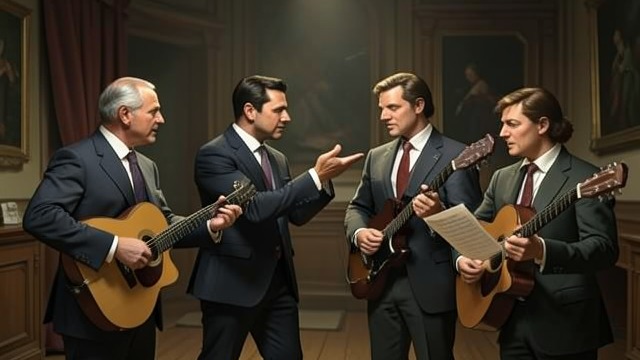
Levee argues that his arrangement of Ma Rainey’s Black Bottom gives the song a stronger introduction and a more exciting rhythmic feel. He wants the band to play it his way and imagines the arrangement as evidence of his own musical talent.
His ambition is tied to a future beyond accompaniment. He tells the others that Sturdyvant may let him record his own songs once he assembles a band, distinguishing his creative aspirations from the job he currently performs.
The band’s working tradition
Cutler insists that the musicians rehearse the music required for the session and respect the singer’s authority. To him, the group’s role is to play the piece as directed, not to turn every performance into an individual showcase.
The argument exposes two ideas of artistry. Levee hears innovation as a path to recognition and independence; Cutler values discipline, experience, and a sound organized around the singer. Neither position is merely about notes: each proposes a different way for a Black musician to claim worth.
The Singer’s Version
The Singer’s Version
Ma rejects the change
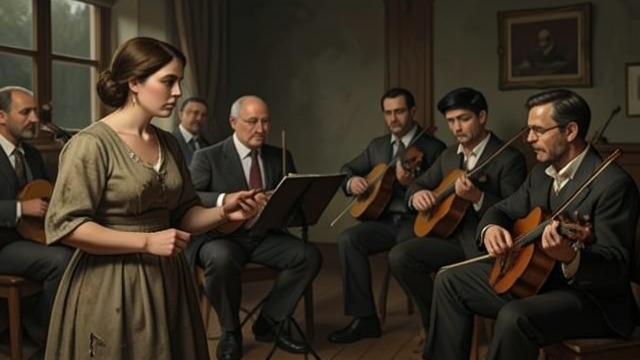
Ma hears the band rehearsing Levee’s version and immediately rejects it. She says she does not like singing the song that way and reminds Irvin that she has brought Sylvester to deliver the spoken introduction to her own version.
Irvin argues that the new arrangement suits what listeners want and may make them dance. Ma refuses to let a prediction about the market override her own musical judgment, insisting that she is singing her song rather than Levee’s.
Tradition as authorship
Ma’s position is not simply a preference for the old sound. The song is part of her artistic identity and public authority; changing its shape without her consent would make her the vehicle for someone else’s idea.
She directs Irvin to tell Sturdyvant that she can leave if the company will not accept her terms. Her confrontation turns an aesthetic disagreement into a question of ownership: who has the right to reshape the performance that bears Ma’s name?
An Introduction Earned
An Introduction Earned
An imperfect performance
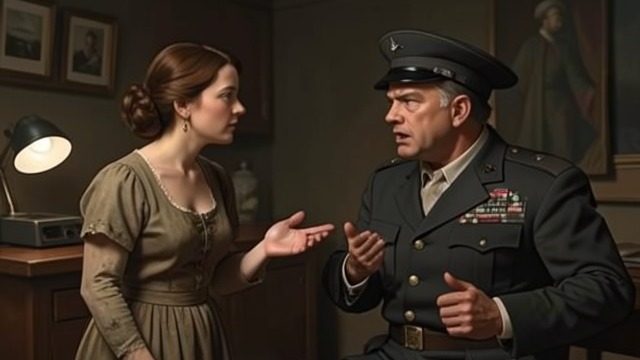
Ma’s chosen introduction presents a practical challenge because Sylvester stutters. Levee objects that he cannot deliver the part cleanly, while Ma insists that his difficulty is not a reason to take the opportunity away from him.
The band rehearses the introduction under Cutler’s direction. Sylvester struggles through the line, but the rehearsal also gives him a chance to learn the timing and physical gestures Ma has shown him.
Confidence over polish
Ma’s decision places human encouragement above the company’s preference for a flawless take. Sylvester is not required to become someone else before he can contribute; he is asked to concentrate, remember the words, and try again if necessary.
The exchange complicates Levee’s claim to artistic freedom. He wants room for his own arrangement, yet he dismisses Sylvester’s imperfect voice as a defect. Ma’s choice suggests that musical authority includes deciding whose expression is allowed into the performance.
Improvisation Without Agreement
Improvisation Without Agreement
Levee’s claim to freedom
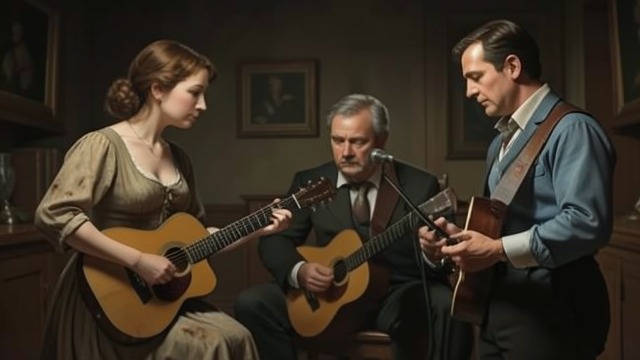
After the recording, Levee defends the extra notes he played as improvisation on the theme. He says he was playing the song as he felt it, invoking a creative freedom that conflicts with Ma’s expectation that the band support her singing.
Ma says she could not keep up with his playing and that he interfered with her ability to carry the song. Cutler reinforces her position: the performance is about Ma’s music, not Levee’s private display.
The meaning of collaboration
The dispute does not deny Levee’s desire to invent. Instead, it asks whether invention serves the shared performance or displaces the person whose song the band has assembled to record.
Ma fires Levee after he refuses to accept her direction. His exit exposes the cost of treating individual innovation as sufficient authority: a musician can possess ideas and skill, yet still be accountable to the ensemble and to the artist whose work is being recorded.
The Unrecorded Future

The Unrecorded Future
A promise withdrawn
Levee approaches Sturdyvant about the songs he has written, relying on the earlier expectation that he would be allowed to record them. Sturdyvant says that the songs are not what the company wants and offers to buy them for five dollars apiece instead.
Levee argues that the music needs to be heard with him playing it. He believes his performance would supply the excitement Sturdyvant says is missing, but Sturdyvant declines to give him a recording opportunity.
Creativity without access
The offer converts Levee’s artistic hopes into a small purchase price, stripping them of the future he had imagined. Sturdyvant retains the power to decide which music reaches the recording market and which remains unheard.
The rejection sharpens the difference between possessing creative ideas and having the means to circulate them. Levee’s ambition is real, but the business’s control over studio access, musicians, and release decisions limits how far that ambition can travel.
During the first rehearsal downstairs
When Ma hears Levee’s arrangement from the studio
During rehearsal with Sylvester in the band room
At the final session, after the song has been recorded
Near the end, after the musicians are paid
