
Levee’s Bid for Independence
Ma Rainey's Black BottomThis thread traces Levee’s hope of becoming a recording artist in his own right, from his confidence in his musical ideas to the rejection that precedes his violence.
increasing Bearing strength in each event
 decreasing
Bearing strength in each eventdecreasingA New Band Dream
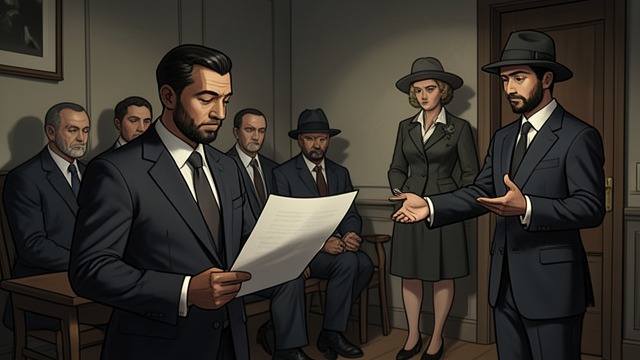
The Future Levee Imagines
More Than an Accompanist
Levee distinguishes himself from the older musicians by insisting that he has talent, style, and original songs. He wants a band of his own and imagines recording music that is more modern and exciting than the accompaniment work expected of him.
A Promise from Sturdyvant
Levee says that he has given Sturdyvant songs and believes he will be allowed to record them once he assembles a band. The promise gives him a future to pursue, but it also makes his independence depend on the approval of a white record-company owner.
The Arrangement as Proof
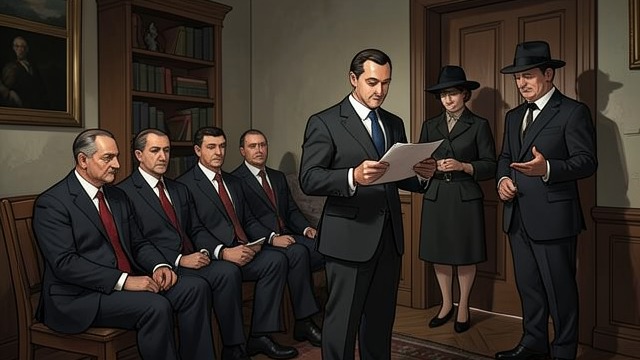
A Claim to Musical Authority
Levee’s Version
When the band rehearses “Ma Rainey’s Black Bottom,” Levee insists that the musicians play his arrangement. He presents the new introduction and rhythm as a way to catch listeners’ attention, and interprets the company’s selection of his version as recognition of his skill.
Resistance from the Band
Cutler insists that the musicians follow Ma Rainey’s authority, while Levee treats that insistence as jealousy and obstruction. The disagreement reveals that Levee’s ambition is not only about sound: he wants a voice in decisions and a position beyond that of a replaceable player.
A Stolen Chance

An Ambition Checked
The Singer’s Veto
Ma Rainey chooses her own version of the song and directs Sylvester Brown to perform its introduction. Levee protests that the arrangement would give the song the excitement northern listeners want, but his argument cannot override the singer’s authority over her repertoire.
An Unequal Performance
Levee later plays more notes than Ma Rainey wants and is told to support her song rather than make the music his own. His belief that innovation will win him recognition collides with the practical limits of his job as an accompanist.
The Company Withdraws
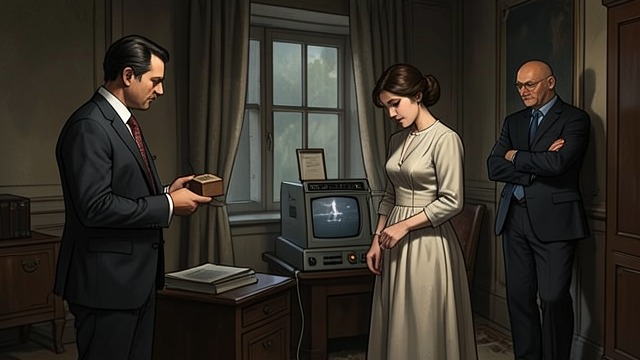
A Broken Promise
The Songs Rejected
When Levee asks Sturdyvant about recording his songs, Sturdyvant says the material is not what the company wants. He offers five dollars for each song instead of the recording opportunity Levee expected, presenting the purchase as generosity rather than acknowledging the earlier promise.
No Path Forward
Levee argues that the songs need to be heard with him playing them, but Sturdyvant has already decided against recording them. The refusal turns Levee’s hoped-for career into a transaction controlled by the company, leaving him with little money and no authority over the music he created.
The Shoe and the Knife
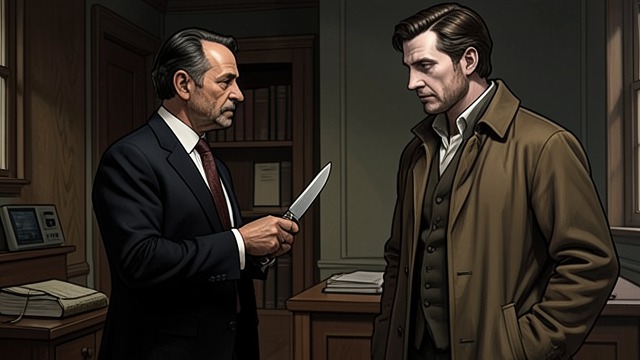
Ambition Turns to Violence
A Small Injury, a Larger Defeat
After Sturdyvant departs, Toledo accidentally steps on Levee’s shoe and apologizes. Levee fixates on the damaged shoe, but the outburst follows the rejection of his songs and the collapse of the future he imagined.
Irreversible Consequences
Levee takes out his knife and stabs Toledo in the back, then seems unable to grasp the finality of what he has done. His insistence that Toledo stepped on his shoe converts a minor accident into a justification, while the murder destroys the possibility that his ambition can simply resume after the session.
Early afternoon, before Ma Rainey arrives
During the first rehearsal, before Ma Rainey arrives
After Ma Rainey rejects Levee’s arrangement
At the end of the session, after the musicians are paid
Moments after Sturdyvant leaves the band room
