
The Session’s Human Cost
Ma Rainey's Black BottomThis thread follows the way the recording’s commercial and personal pressures accumulate around Levee until rejection, resentment, and a violent final act become inseparable.
increasing Bearing strength in each event
 decreasing
Bearing strength in each eventdecreasingA Room of Unequal Power

Work on Someone Else’s Terms
The Record Company’s Priorities
Sturdyvant regards the recording session as a business problem: the singer must arrive, the selected songs must be recorded, and unnecessary expense must be avoided. Irvin acts as the intermediary expected to manage the artists for the company.
The Musicians’ Limited Choices
The band members depend on session work and know that their task is to accompany Ma Rainey rather than control the recording. Levee resists this position more openly than the others, but his creative ambition still depends on permission from the people who own the studio and its release process.
Levee Seeks Recognition
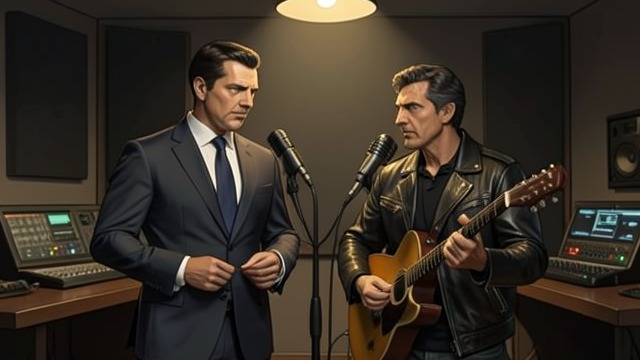
Talent Against Assignment
The New Arrangement
Levee urges the band to play his version of “Ma Rainey’s Black Bottom” and speaks confidently about the records he expects to make with his own band. His energy reflects a genuine desire to shape the music, but also a need to prove that he is more than an interchangeable accompanist.
A Narrow Opening
Sturdyvant shows interest in Levee’s songs and asks him to finish one, giving Levee reason to believe that his plans may become real. Yet even this opportunity is controlled by a company that can encourage his labor without committing to record it.
The Buried Wound
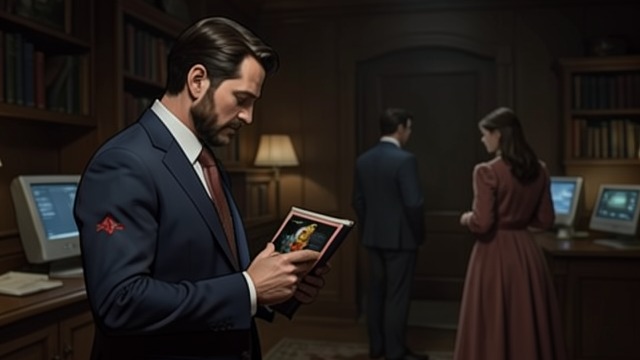
A Childhood That Shapes Levee
Violence at Home
Levee recounts that, when he was eight, white men attacked his mother while his father was away. Levee tried to stop them with a knife and was left with a long scar after one of the men struck him.
His Father’s Revenge
His father sold the family’s land to one of the attackers, then secretly returned to hunt the men down. He killed four before he was captured, hanged, and burned. Levee remembers his father’s apparent deference as a strategy for revenge, and invokes that example when the others accuse him of being intimidated by white people.
Faith Put on Trial
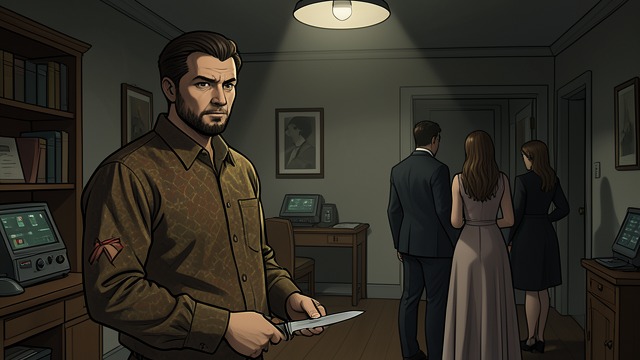
Anger Becomes a Challenge
The Dispute Over God
After Cutler tells a story of Reverend Gates being forced to dance for a white mob, Levee demands to know why God did not protect him. He claims that God serves white people and has never answered Black people’s prayers, turning a story of racist violence into a direct attack on Cutler’s faith.
A Knife in the Open
Cutler punches Levee, and Levee answers by drawing a knife and challenging Cutler’s God to save him. In the middle of the threat, Levee returns to the memory of his mother pleading for divine help during the attack. His performance of defiance exposes a wound that neither the men’s arguments nor the immediate danger can heal.
The Rejection and the Murder
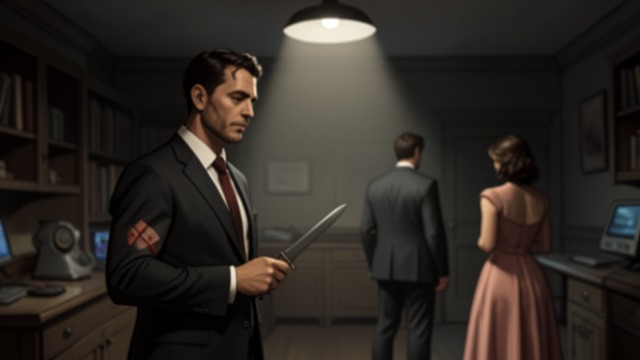
A Future Collapses
The Songs Refused
After paying the band, Sturdyvant rejects Levee’s songs and offers to buy them for five dollars apiece. Levee argues that the material will work if he performs it himself, but Sturdyvant leaves without granting him the recording opportunity he expected.
Violence After Defeat
Toledo accidentally steps on Levee’s shoe while the musicians pack up. Levee seizes on the damage and stabs Toledo, then pleads for help and tries to make Toledo rise. The killing turns a day of denied authority into an irreversible catastrophe for both men.
Early afternoon, as the musicians gather
During rehearsals, before the recording begins
During the band room conversation, before the first recording take
During the break after the lost recording
Near the end of the recording day
