
Ma Rainey’s Command of Her Career
Ma Rainey's Black BottomThis thread follows Ma Rainey as she defends her authority over her music and the terms on which the recording company can use it.
increasing Bearing strength in each event
 decreasing
Bearing strength in each eventdecreasingThe Star Arrives on Her Terms
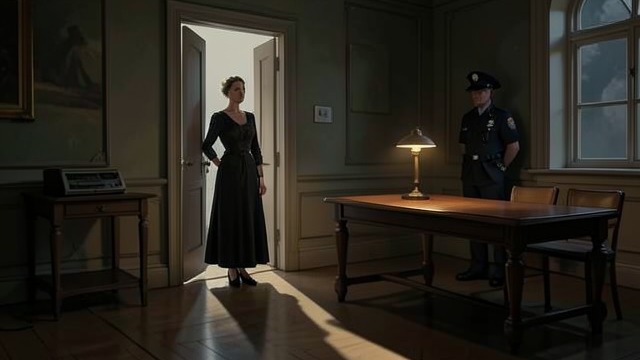
A delayed entrance, an established authority
Arrival and confrontation
Ma Rainey arrives late at the Chicago studio after an altercation involving a cab driver and the police. Rather than letting the arrest threat define the encounter, she insists that Irvin explain who she is and treats the dispute as another occasion to demand recognition.
She corrects the forms of address used for her and rejects Sturdyvant’s attempt to question her before he understands what happened. Her insistence on being treated as Madame Rainey establishes that her public standing is part of the authority she brings into the recording room.
The value of leverage
Irvin pays off the policeman and promises to settle the matter after the session. Ma accepts his intervention but continues to direct the people around her, demanding that her car be repaired and objecting to the cold studio.
Her behavior is not simply a refusal to cooperate. She knows that the company needs her voice and uses that fact to resist being treated as a replaceable performer, even as the people managing the session try to contain her demands.
Her Song Her Arrangement
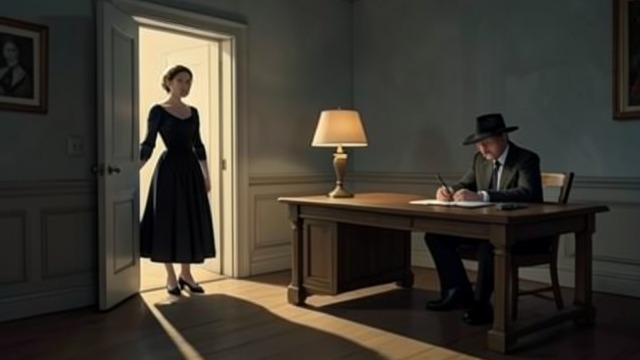
A boundary around the blues
Rejecting the new arrangement
When Ma hears the band rehearsing Levee’s version of Ma Rainey’s Black Bottom, she immediately objects. Irvin argues that listeners want a more danceable sound, but she distinguishes the song from the arrangement being proposed and insists that she will sing it her way.
She has brought Sylvester Brown to deliver the spoken introduction in the version she favors. By making that choice part of the session’s plan, she asserts that her music is not an open invitation for the company or a band member to redefine her artistic decisions.
Authority tested
Irvin admits that he and Sturdyvant had decided to use Levee’s arrangement. Ma rejects their claim to decide on her behalf and reminds Irvin that she can leave the studio and return to her tour.
Her authority is real but conditional: the company controls the room and the recording equipment, while she controls whether it gets the performance it wants. The dispute exposes the fragile power of a successful Black artist negotiating with white executives who want to reshape her music for the market.
The Price of a Voice

The performer behind the recording
A small demand with larger stakes
Ma halts the session until she gets Coca-Cola. Sturdyvant complains about wasted time and expense, while Irvin tries to persuade her to proceed without it; she refuses to sing on their schedule merely because the band is ready.
The demand appears minor beside the argument over the arrangement, but Ma understands that the company is asking to capture her voice while refusing ordinary consideration. She explains to Cutler that the executives want what she can produce, not a relationship with her as a person.
Her own account of the blues
In a quieter conversation with Cutler and Toledo, Ma describes the blues as a way of understanding life rather than merely a means of feeling better. The music gives expression to emptiness and helps people recognize that they are not alone in it.
That account clarifies why she resists being directed by men who regard the session chiefly as a business transaction. Her authority is rooted not only in fame but in her knowledge of what the music means to its singers and listeners.
A Performance on Her Terms
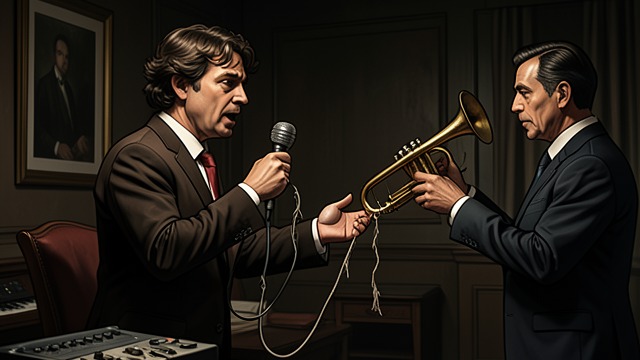
The song reaches the microphone
Holding to the introduction
After Sylvester Brown struggles through rehearsals, Irvin suggests abandoning the spoken introduction. Ma refuses to withdraw the promise she made her nephew and insists that the studio give him another chance, despite the pressure to finish quickly.
On a later take, Sylvester gets through the introduction well enough for the performance to continue. Ma encourages him instead of treating his stutter as a reason to replace him, then sings Ma Rainey’s Black Bottom in the version she chose.
Success and interruption
The take appears to succeed, but the recording is lost because the microphone cord has been damaged. Ma holds Levee responsible and prepares to leave; Irvin persuades her to give the studio fifteen more minutes.
The episode shows how little control she has over the machinery that will preserve her work, even when she controls the performance itself. Her insistence secures the song and Sylvester’s place in it, but the faulty equipment turns her artistic victory into another negotiation over time and patience.
Payment Before the Paperwork
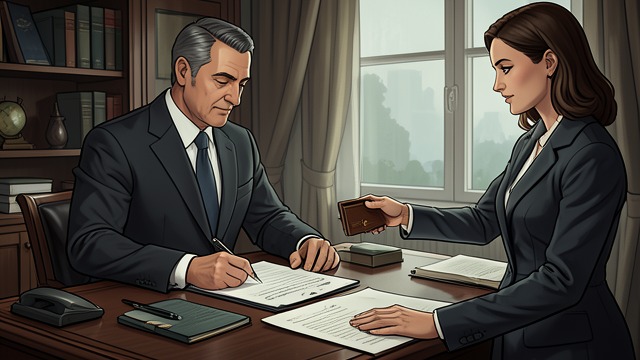
Protecting the people around her
Securing Sylvester’s pay
After the recording, Irvin tells Ma that Sturdyvant intends to take twenty-five dollars from her payment and give it to Sylvester. She rejects the arrangement: if she wants to give her nephew money, she says, she can do so herself, but he must be paid for his own work.
She orders Irvin to return to Sturdyvant and secure the money. When Sturdyvant finally brings it, he claims that the problem was a misunderstanding, but Ma recognizes that her unsigned release forms gave her leverage in the negotiation.
Departure with control intact
Ma takes her car keys and signs the forms only after Sylvester has been paid. She warns the company that another mistake could send her records elsewhere, then leaves with Sylvester and Dussie Mae.
Her exit is not a rejection of the recording business. She has completed the session and accepted its paperwork, but she has made the company meet terms that matter to her. Her final act of authority is practical: she protects her nephew’s wages and reminds the executives that access to her future recordings is not guaranteed.
Early March 1927, after the scheduled start of the session
Early in the session, after the band rehearses Levee’s arrangement
During the studio delay, after Ma sends the others for Coca-Cola
Later in the session, after Sylvester’s spoken introduction succeeds
Near the end of the session, before Ma leaves the studio
