
Ma Rainey’s Fight for Artistic Control
Ma Rainey's Black BottomThis thread traces how Ma Rainey turns repeated attempts by the recording company to manage her into a battle over who controls her performance and recordings.
increasing Bearing strength in each event
 decreasing
Bearing strength in each eventdecreasingThe Manager’s Warning
Control Before the Session
The Company’s Plan
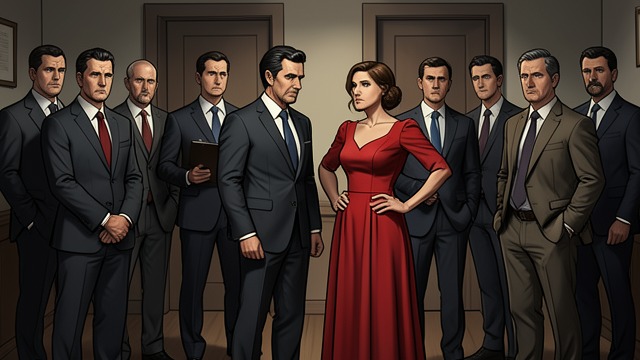
Sturdyvant tells Irvin to keep Ma in line and record the songs already chosen. His language treats the session as a schedule to enforce, not a collaboration with an artist whose preferences might change the plan.
A Conflict Assigned to Irvin
Irvin accepts responsibility for managing Ma and reassures Sturdyvant that everything is under control. The exchange establishes the imbalance that will shape the day: the label expects obedience, while Irvin must absorb the tension between its demands and Ma’s authority.
The Disputed Arrangement
Competing Versions
The Label’s Preference
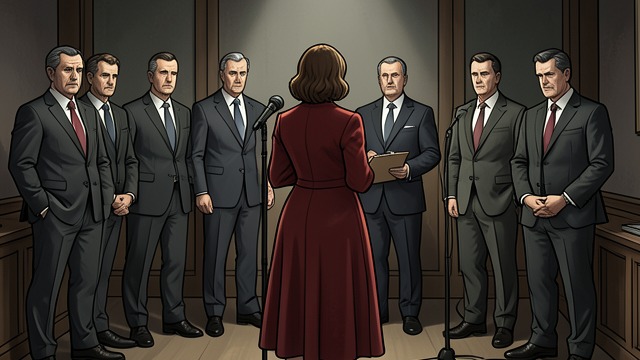
When Ma hears the band rehearsing Levee’s arrangement of “Ma Rainey’s Black Bottom,” she rejects it. Irvin argues that the newer version suits changing audience tastes, but his sales-minded explanation does not persuade her to surrender a song she considers her own.
Ma Names the Authority
Ma insists that Sylvester will deliver the spoken introduction and that the song will use her version. She reminds Irvin that decisions made by him and Sturdyvant cannot override her judgment. Her threat to return to the tour makes artistic disagreement an immediate business risk.
The Introduction Dispute
A Nephew’s Place at the Microphone
The Band’s Objection
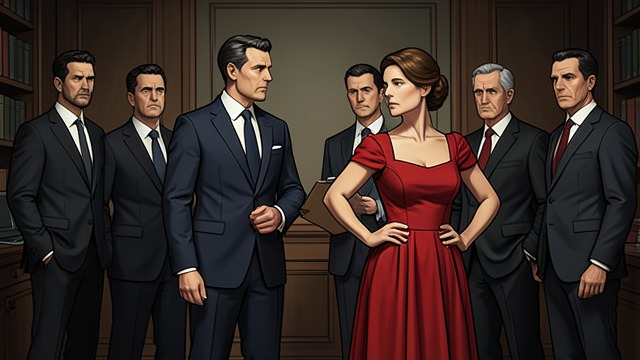
When Cutler tells Irvin that Sylvester cannot manage the introduction because he stutters, Irvin quickly proposes using Levee’s version instead. The practical concern about a difficult recording becomes a challenge to Ma’s promise to her nephew.
Ma Refuses the Shortcut
Ma demands a microphone for Sylvester and insists that he be given the chance to perform. She accepts the possibility of repeated takes rather than letting the company’s schedule or the band’s doubts decide his place in the song. The dispute tests whether her authority holds when it costs the label time and money.
The Coca-Cola Stoppage
Ma Stops the Room
A Demand the Company Calls a Disruption
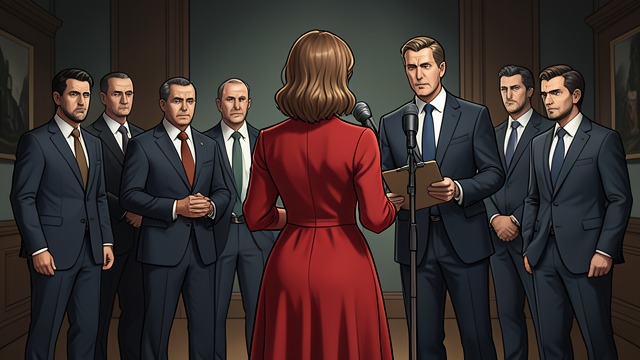
Ma refuses to sing without Coca-Cola, despite the musicians being ready and Sturdyvant protesting that the session is already behind schedule. What the company treats as an avoidable delay is, to Ma, part of the treatment she expects before lending her voice.
The Cost of Saying No
Ma sends Slow Drag and Sylvester to get the drinks and will not restart on the label’s terms. The interruption demonstrates that her leverage is real: without her cooperation, the equipment and the assembled band cannot produce the record the company wants.
The Release Form Bargain
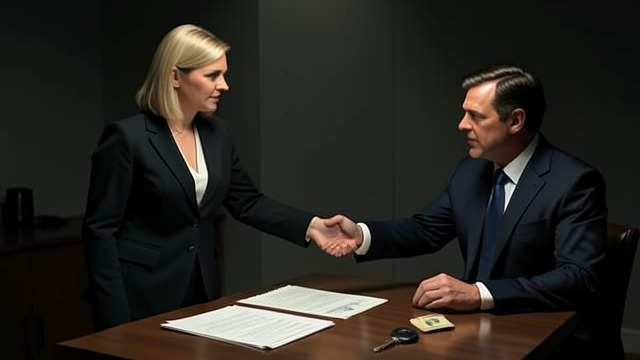
Payment and Permission
Ma Protects Sylvester’s Pay
Irvin tells Ma that Sturdyvant proposes taking twenty-five dollars from her payment to pay Sylvester. She rejects the arrangement and insists that Sylvester receive his own wages, using her future recording business as leverage to make the company pay him directly.
A Limited Victory
Sturdyvant ultimately pays, but Ma signs the recording authorization form only after securing the money and reclaiming her car keys. She warns that another mistake could send her recordings elsewhere. Her success is real but bounded: she can compel fairer treatment in the room, while the label still controls the recording process and its commercial future.
Early in the March 1927 session, before the band arrives
After Ma arrives at the studio that afternoon
At the beginning of the recording session
During the first attempt to record the song
Near the end of the session, after the final song
