Artistic innovation versus tradition
Ma Rainey's Black BottomArtistic innovation versus tradition organizes the struggle over sound, authorship, and authority in Ma Rainey’s recording session. Levee Green seeks a more exciting, individually shaped music; Ma Rainey insists that her song be performed her way. Their disagreement is not simply a contest between progress and conservatism: it also asks who has the right to change a song, whose judgment counts, and who profits when musical change becomes a commercial demand.
Competing Ideas of Musical Change
Sturdyvant initially describes the recording business as changing and says he wants a different, wilder sound with more rhythm. He asks Irvin whether the horn player who gave him songs will be present because he wants to hear more of that sound. Yet his enthusiasm is qualified by dissatisfaction with the previous session, which he calls a failure. Novelty, in his account, matters as a possible response to a business problem; it is not an open-ended commitment to an artist’s creative independence.
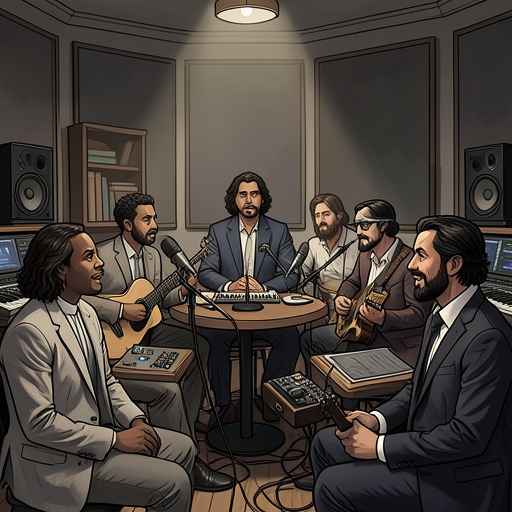
Levee gives innovation a more personal meaning. He dismisses the material the band is expected to rehearse as old jug-band music and says he is talking about art, not merely about playing for pay. Slow Drag answers that getting paid is enough for him, while Cutler tells Levee to play the piece rather than behave like a virtuoso. Cutler describes himself as willing to play what is wanted and criticizes Levee for judging other people’s music. The exchange makes their dispute practical as well as aesthetic: the band members disagree over whether the job calls for obedience, income, or individual artistic distinction.
Levee claims a special connection to his horn and says he has talent. He imagines forming a band and making records, and points to songs he has already given Sturdyvant, who, according to Levee, said he would let him record once he assembled a band. The papers he takes from his pocket and his unfinished song give that ambition a concrete form. He is not merely arguing for a different arrangement in the session; he is trying to establish himself as a songwriter and bandleader.
The Song as a Contest over Authority
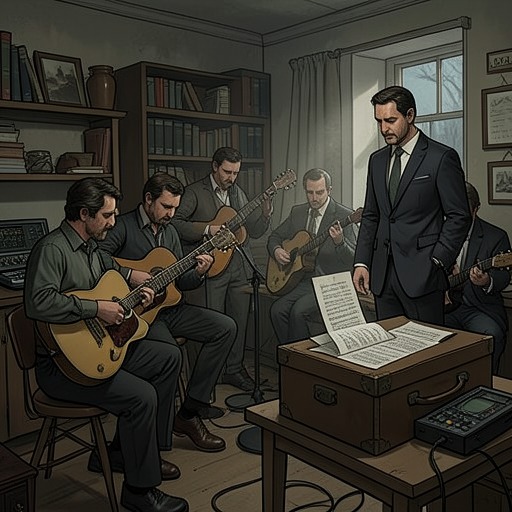
The disagreement becomes immediate when the musicians rehearse Levee’s arrangement of Ma Rainey’s Black Bottom. Before Ma has specified which version she wants, Cutler decides they should play it Levee’s way. Toledo objects to the dependence on white approval, arguing that a Black person cannot discover who he is by waiting for white people to approve his words. His intervention places the rehearsal dispute within a larger question of self-definition, even as Levee says he is only trying to show Cutler where he is wrong.
When Ma hears the band rehearsing, she rejects Levee’s version. Irvin presents its horn introduction and danceable quality as advantages, claiming listeners want music that excites them and helps them forget their troubles. Ma answers that she does not like singing the song in Levee’s arrangement and will perform her own version. She has brought her nephew, Sylvester Brown, to deliver the spoken introduction, and insists that he do it on her version. Her decision asserts artistic authority through specific choices about arrangement, performance, and who will introduce the song.
Ma also refuses to let commercial predictions displace her judgment. She tells Irvin that she listens to her heart and the voice inside her, not to what he and Sturdyvant say the audience wants. She is willing to take her act back South rather than allow Levee to alter the song. Later, when Levee plays additional notes during the music, Ma objects that he is playing ten notes where one is called for. He defends the passage as improvisation, but she tells him to play the song as she sings it and as the others play it, rather than departing on his own. The conflict thus reaches beyond a single arrangement: it concerns whether improvisation serves a shared musical theme or becomes a musician’s claim to independent space.
Commercial Promise and Unequal Bargaining
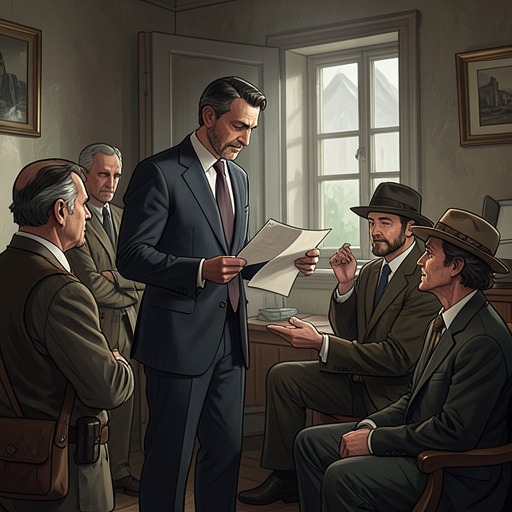
The recording company’s position exposes the limits of its apparent appetite for innovation. Sturdyvant initially wants to hear more of Levee’s sound, and Levee believes he has been promised the chance to record his songs. Later, after Levee has assembled a band, Sturdyvant says the songs are not right for the company. Levee insists that listeners are tired of jug-band music and want excitement and fire; he also argues that the songs would sound right if he himself played them. Sturdyvant nevertheless offers five dollars apiece to take them off Levee’s hands, not the recording opportunity Levee says was promised.
Levee rejects the payment because he wants to record the songs, not sell them for five dollars each. Sturdyvant calls the purchase a favor, pushes the money into Levee’s coat pocket, and leaves. The door slams in Levee’s face; Levee balls up the money and throws it on the floor while the other musicians silently collect their belongings. The sequence turns a disagreement about taste into a material defeat: the person urging a new sound is denied control over its recording, while the company retains the power to decide what it will produce and what it will pay to acquire.
The contrast is sharpened by Sturdyvant’s earlier request for something different. He can welcome Levee’s sound as a possible ingredient in the company’s changing business while refusing Levee’s particular songs as unsuitable for sale. Innovation is therefore both encouraged and restricted: it is attractive when a white executive imagines it as commercially useful, but Levee’s own account of what listeners want does not secure him the promised recording session.
Tradition, History, and the Stakes of Listening
Toledo’s reflections broaden the disagreement without resolving it. When Levee complains that the band room has changed location, Toledo turns the visible rearrangement into a meditation on how everything changes. Later, he describes Black people as leftovers from history: in his stew analogy, distinct ingredients have been mixed into a shared history, but fragments remain after that history has been consumed. His argument is that Black people must recognize this historical condition before they can determine what to do with it. The image gives the play’s dispute over musical inheritance a wider frame: the present is neither untouched tradition nor a clean break from the past.
Toledo also tells a story about a man who claims to have learned the Lord’s Prayer at church but recites a different prayer after betting on his knowledge. The punch line makes the man’s claim to learning look hollow, and Toledo uses the tale to ridicule Levee’s manner of speaking. Elsewhere, Cutler recounts Reverend Gates’s experience after a train leaves him behind: white men surround the minister, tear away his cross, destroy his Bible, and force him to dance, which Cutler says is how Gates survives. These embedded stories place performance in two contrasting circumstances: as a comic test of claimed knowledge and as coercion under racial violence. In that context, disputes over who directs a performance carry stakes beyond whether a passage sounds modern or traditional.
Ma’s insistence on control also appears in the session’s financial dealings. When Irvin reports that Sturdyvant proposes taking twenty-five dollars from Ma’s money to pay Sylvester, Ma says her nephew should receive his own pay like everyone else and orders Irvin to press the matter. Sturdyvant eventually provides two hundred dollars for Ma and twenty-five for Sylvester. Ma tells Irvin to send the forms to her address, then signs them and warns that another mistake could lead her to record elsewhere. These negotiations do not give Levee the creative opportunity he seeks, but they show Ma using her position to contest the terms imposed on her and her nephew. The play’s central contrast is therefore not simply innovation against tradition: it is a struggle among artistic self-direction, collective musical practice, and commercial power over who may make, perform, and record the music.