Sylvester Brown
Ma Rainey's Black BottomSylvester Brown is Ma Rainey’s nephew and the speaker of the spoken introduction to “Ma Rainey’s Black Bottom.” An Arkansas country boy who usually stutters, he enters a commercial recording session in an uncomfortable new suit and is asked to perform a few lines before the band and recording equipment. His part is brief, but it puts his voice at the intersection of Ma’s authority, the band’s competing ideas about the song, and Sturdyvant’s control of the recording process.
Identity and Arrival
Sylvester arrives with Ma, Dussie Mae, and a policeman, following a commotion at the studio entrance. He is described as the size of a fullback, dressed in a new suit and coat that plainly do not sit comfortably on him. His country background and conspicuous nervousness distinguish him from the musicians already waiting in the band room, while his stutter is presented as a recurring feature of his speech rather than a one-time stumble.
When Irvin does not recognize him, Ma identifies him as her nephew. Later, Cutler introduces himself and names the musicians present; Sylvester answers with his full name, Sylvester Brown. The exchange establishes his family connection to Ma and his place among the band without suggesting that he is an experienced member of the group. He is there because Ma has brought him into the session and assigned him a part.
Rehearsal and the Dispute Over the Song
Ma leaves Sylvester in Cutler’s care to learn what he must do, telling the others not to let outside criticism unsettle him. Her instruction is practical: he should hold his hands as she has shown him, remember the words, and take his time. If he makes a mistake, they can repeat the attempt. The reassurance matters because his task is not simply to speak; he must deliver the introduction while the band plays and the recording session waits on him.
That preparation unfolds amid disagreement about the arrangement. Levee objects that Ma is using an approach he considers old-fashioned and says he has written a version that would present the song differently. Ma refuses to be drawn into his complaint and puts Cutler in charge of teaching Sylvester. The contrast is sharp: Levee argues for his own musical conception, while Sylvester is being coached to perform the part Ma has chosen. His role therefore makes the session’s dispute over artistic control audible in a small, concrete way. He is not asked to resolve the argument; he is expected to deliver the introduction within the arrangement Ma directs.
Voice, Performance, and Recording
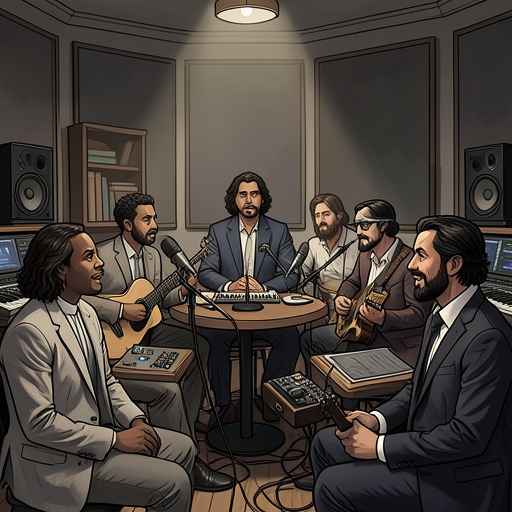
In the studio, Sylvester clasps his hands before his chest and pulls his fingers in opposite directions as he speaks. His stutter becomes audible in the opening attempt. Levee stops playing, and then the rest of the band stops as well. Ma does not treat the interruption as a reason to dismiss him: she tells him that the attempt is good and that he should take the time he needs. Her response keeps the rehearsal moving without pretending that the difficulty has disappeared.
The scene also places Sylvester’s performance within a hierarchy of listeners. The musicians accompany him in the studio, while Sturdyvant listens from the control booth and speaks through the equipment. He tells Ma not to wait so long before entering and to shorten the introduction. Ma rejects his direction about how she should sing, separating his responsibility for the control room from hers on the studio floor. Sylvester’s introduction is thus part of a recording process in which the people who perform, the person who directs the singer, and the person listening from the booth do not possess equal authority.
On a later attempt, Sylvester delivers the introduction announcing that Ma will show the audience her black bottom, and Ma begins singing. The performance proceeds far enough for Slow Drag to say that Sylvester has done better than expected. Sturdyvant then realizes that the song has not been recorded. Irvin identifies the immediate problem: the microphone cord has been chewed up and must be replaced. The failure is mechanical, not a consequence of Sylvester’s stutter or his delivery. The distinction is important: he manages the spoken part, but the recording apparatus fails to preserve the performance.
Ma’s Support and His Place in the Session
Ma’s support extends beyond coaching. When she later confronts Sturdyvant, she insists that Sylvester be paid. Sturdyvant produces the money, specifying two hundred dollars for Ma and twenty-five for the young performer; Irvin passes it to them. Ma then explains that Irvin misunderstood her and that the matter was a mistake. The exchange makes Sylvester’s compensation part of Ma’s negotiation with the recording company, rather than an incidental favor from the musicians.
Sylvester’s function in the play is concentrated in this brief recording episode: he is Ma’s nephew, a novice participant, and the voice assigned to introduce her song. The band’s pause, Ma’s patient encouragement, Sturdyvant’s instruction from the booth, the damaged cord, and Ma’s demand for his money give that small role several distinct stakes. His performance is vulnerable to scrutiny, but Ma insists on making room for it—and on ensuring that the company pays him.