Toledo
Ma Rainey's Black BottomToledo is the pianist in Ma Rainey’s band, a self-taught and sharply observant man whose reflections on history and identity give voice to some of the play’s clearest challenges to dependence on white approval. He understands music through the piano’s limits as well as its possibilities; away from the instrument, he turns that same attention to the ways history shapes who people believe themselves to be. His insight does not protect him from Levee Green’s sudden violence: Toledo is stabbed in the back after Levee becomes enraged over a damaged shoe.
Identity and Place in the Band
Toledo is the group’s piano player and its only member who can read. He taught himself, but his learning is uneven: he misunderstands and misapplies some of what he knows even as he quickly gets to the heart of a situation. That combination defines him more fully than a simple label of either wise or mistaken. He is capable of thought-provoking analysis, yet the play does not present him as an infallible authority. His ideas emerge in conversation, where they can meet resistance and acquire meaning through disagreement.
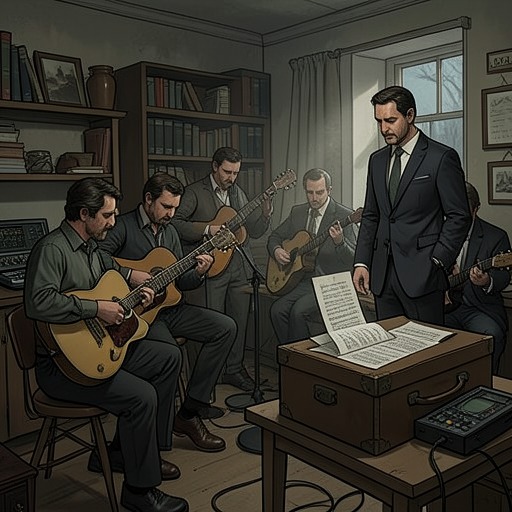
His relationship to music is similarly alert to both control and limitation. Toledo is in command of the piano, but recognizes its limitations as an extension of himself. The instrument is not merely a tool he plays; its constraints also register as his own. This understanding distinguishes him from an uncomplicated image of virtuosity. His playing and his thinking both involve attention to what a form can do, what it cannot do, and how a person is shaped by those boundaries.
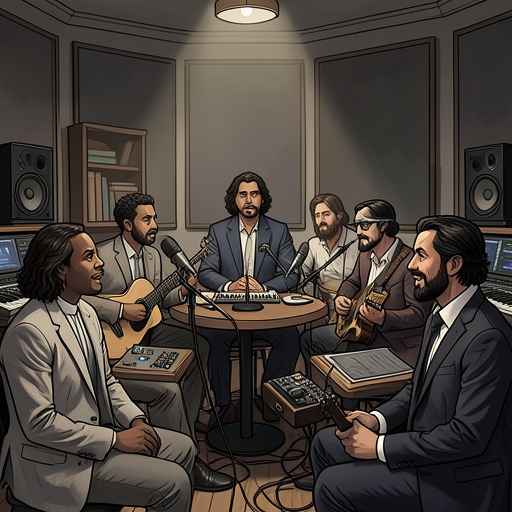
Toledo is part of a band whose members enter together, dressed in clothing befitting successful musicians of their era. Within this ensemble, Cutler leads, while Toledo’s particular standing comes from literacy and a readiness to interpret the circumstances around him. His talk can seem to others like an extended lecture, but it repeatedly turns ordinary exchanges into arguments about collective identity and the past.
History, Identity, and Approval
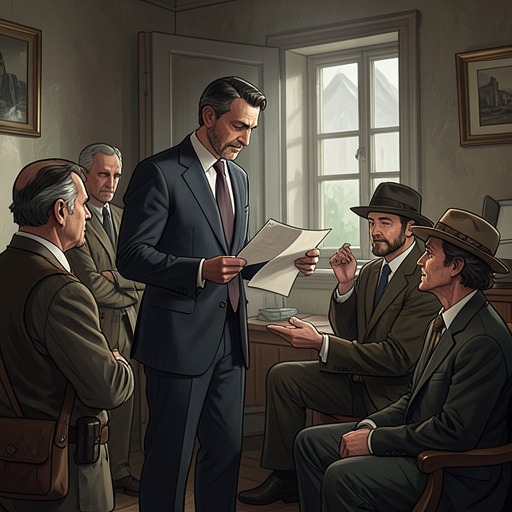
When Cutler asks which version of the song the band should play, he says that Ma has not told him and proposes playing it Levee’s way. Toledo uses the dispute to make a broader point: so long as Black people look to white people to approve what they say, he argues, they will not discover who they are or what they are about. Instead, their identities will be defined by what white people want them to be. The argument makes artistic choice part of a larger question of self-definition. Approval is not neutral in his account; dependence on it can determine the terms on which a person is understood.
Toledo gives that history a more extended shape in his exchange with Levee. After Levee objects to Toledo’s remark about there being no leftovers around him, Toledo calls them all leftovers from history. He then describes people coming from different places in Africa, from different tribes, and gradually mixing together like ingredients in a stew. The image moves from separate origins to a shared result: distinct elements are combined and their flavors mingle. Toledo’s metaphor does not erase the history of difference; it makes mixture itself the explanation for a collective identity that cannot be reduced to one origin.
The stew image also sits in productive tension with his description of Black people as leftovers. One phrase names what history has left behind; the other imagines the making of something shared from different inheritances. Toledo’s account holds damage and formation together: people bear the consequences of history, but their identities are also made through the joining of many histories. The domestic food image gives this argument a concrete form, while his claim about white approval identifies the pressure that can make people misrecognize that shared inheritance.
Arguments with Cutler and Levee
Toledo’s historical argument returns when Cutler condemns talk of selling one’s soul to the devil as blasphemy. Toledo answers that they have done much the same thing already: he describes the selling of Africa for the price of tomatoes and the surrender of themselves to white people in order to become like them. He points to their clothing as evidence, arguing that it is not African but white, and calls them imitations of white men. His claim is not simply about what they wear. He treats appearance as a visible sign of the larger bargain he believes has altered their sense of who they are.
Cutler’s reply—that there is little alternative while living in America—exposes the pressure within Toledo’s argument. Toledo names imitation as a loss of identity; Cutler points to the conditions that make separation from white society seem impossible. The exchange does not resolve that conflict. Instead, it places Toledo’s demand for self-recognition beside Cutler’s question about what can realistically replace assimilation. Toledo’s earlier warning about white approval and this later exchange form a continuous argument: identity is shaped both by the desire for recognition and by the material and social terms under which that recognition is sought.
His encounters with Levee bring a different kind of opposition. Levee says he is trying to show Cutler where he is wrong, while Cutler rejects the idea that he needs Levee’s instruction. Toledo’s reflection on historical identity broadens the discussion beyond that immediate dispute, but Levee responds with irritation and treats Toledo’s extended explanation as another lecture. Their friction is therefore not only a difference of opinion: the band’s conversation repeatedly gives Toledo room to interpret collective history, while Levee resists being corrected or drawn into Toledo’s account.
The Shoe and Toledo’s Death
The final conflict begins with a physical grievance. Toledo steps on Levee’s shoe, apologizes, and insists that he has already said he was sorry. He does not accept the demand that he do more; he asks what else Levee expects him to do. The dispute takes place while Toledo, Cutler, and Slow Drag are packing. Its immediate scale is small, but Levee’s response is not: he is near rage, breathing hard, and struggling to regain control before he rushes at Toledo with a knife.
Levee plunges the knife into Toledo’s back up to the hilt. Toledo makes a sound of surprise and agony and falls backward with Levee, who is still holding the knife. Cutler and Slow Drag freeze. Levee then seems to realize what he has done, shoves Toledo forward, and steps back as Toledo slumps to the floor. The sudden change from a dispute over a shoe to a fatal stabbing gives the scene its brutal disproportion. Toledo’s death arrives not as the culmination of a settled argument between them, but as an irreversible act in a moment when Levee loses control.
Afterward, Levee repeats that Toledo stepped on his shoe and asks Cutler for help, still returning to the grievance as though it could explain what has happened. Toledo’s ordinary apology and Levee’s fixation on the shoe stand against the scale of the violence. The shoe becomes the immediate object around which the attack is narrated, but the scene supplies no justification for the killing: Toledo is packing, has apologized, and is stabbed from behind. His death cuts off the voice that had turned the band’s disputes toward history and identity, leaving his arguments in sharp contrast with the violence that ends his life.