
Black Music and the Recording Business
Ma Rainey's Black BottomThis thread follows the tension between musical expression and commercial control, as the recording company seeks to profit from Black performers while limiting their authority and compensation.
increasing Bearing strength in each event
 decreasing
Bearing strength in each eventdecreasingThe Session as a Product

The Session as a Product
A schedule and a list
Sturdyvant wants Ma Rainey brought in, kept in line, and recorded according to a prepared list of songs. He speaks about the session as a matter of timing and management, emphasizing that he wants the work completed without what he calls trouble.
His discussion with Irvin also reduces the artistic choices to market calculation. He complains that previous records sold poorly in New York and asks for a newer sound with more rhythm, treating musical change as a way to reach buyers.
Unequal authority
The musicians arrive to find the company’s list already set, although Ma has given Cutler different expectations. The gap between the performer’s instructions and the company’s plan makes clear that control over the recording begins before the singer enters the room.
The session therefore opens as a negotiation over who gets to decide what will be recorded. Sturdyvant controls the studio and its commercial machinery; Ma’s voice is the product he wants, even as he fears her ability to disrupt his schedule.
A Performer’s Leverage

A Performer’s Leverage
Making herself heard
Ma arrives with a policeman and demands that Irvin identify her properly. She corrects him when he calls her an artist and insists on being addressed as Madame Rainey, asserting dignity in a room where white business representatives expect to dictate the terms.
The confrontation follows a dispute involving a car, a cab, and racial hostility. Irvin resolves the immediate danger by paying the policeman, but Ma’s arrival has already shown how much labor is required just to move safely through the city and reach the studio.
Limited bargaining power
Inside, Ma rejects the idea that Irvin and Sturdyvant can decide how her song should sound without her. She can threaten to leave and return to her tour, using her popularity and the company’s dependence on her records as leverage.
Her authority is real but conditional. The company needs her voice to make money, yet its representatives continually attempt to manage her body, time, song choices, and behavior as parts of a commercial transaction.
The Price of a Voice

The Price of a Voice
The singer’s diagnosis
Ma tells Cutler that the company wants her voice but does not care about her as a person. She compares the recording transaction to a sexual encounter in which the buyer takes what he wants and leaves once the desired thing has been secured.
Her complaints about the cold studio and the missing Coca-Cola are not isolated whims in her account. They are tests of whether the people profiting from her labor will show the ordinary consideration she expects and deserves.
Profit and personhood
Ma points out that her records have made the company more money than its other artists’ records combined. Against that evidence of value, Sturdyvant’s concern about the cost of heat and refreshments reveals an unequal arrangement: her contribution is valuable, but her comfort is treated as an expense to minimize.
The scene makes the commercial exchange morally legible. The company wants a voice that can be sold, while Ma insists on being recognized as the person who owns and gives that voice.
Small Demands and Large Stakes
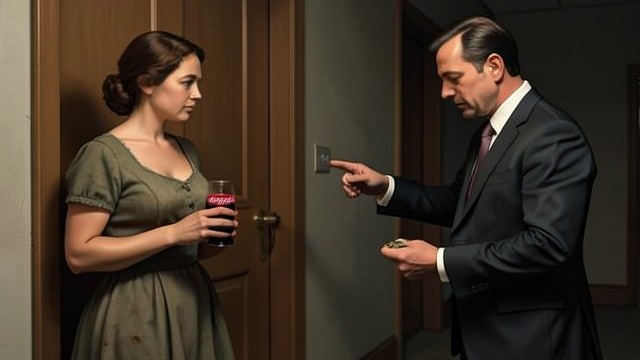
Small Demands and Large Stakes
The missing drink
Ma refuses to sing until she has Coca-Cola, a familiar requirement that Irvin has forgotten. Sturdyvant reacts as though the delay threatens the entire session, counting the time and expense already spent on the recording.
Ma answers that the company knows what she expects and can wait. Her demand may seem minor beside the business of recording, but its importance comes from the unequal pattern she has already named: the company wants her labor while resisting even modest obligations to her.
Negotiation through refusal
Rather than accept the company’s attempt to proceed without her, Ma sends Slow Drag and Sylvester to buy the drinks. Sturdyvant and Irvin cannot simply replace her at that moment; they must allow the interruption and resume the work on her terms.
Her control remains concentrated in the ability to withhold her performance. That power helps her claim respect, but it does not make the company’s ownership and financial interests disappear. The session continues because both sides need something from the other, though they do not have equal power outside the room.
Payment and Permission

Payment and Permission
A performer’s pay
After the session, Irvin tells Ma that Sturdyvant wants Sylvester’s twenty-five dollars taken out of Ma’s own payment. Ma refuses: Sylvester should be paid for his work like everyone else, rather than treated as a cost she must cover.
She insists that Irvin return to Sturdyvant and secure the money. When Sturdyvant eventually pays, he calls the earlier problem a misunderstanding, but Ma identifies the important leverage: she had not yet signed the release forms.
Consent within the business
Ma signs the paperwork only after she receives her car keys and the payment issue is resolved. She warns that another mistake could lead her to record elsewhere, using the possibility of withheld future work as protection.
The exchange shows both the reach and the limits of her authority. She can negotiate immediate terms and delay the company’s paperwork, but the company still controls the recording process and seeks formal permission to use what the session has captured. The conflict over music and money remains embedded in the business arrangement.
Before the band arrives at the Chicago studio
When Ma arrives late after the dispute with the cab driver
When Ma explains her distrust of the recording company
After the band is ready to record “Ma Rainey’s Black Bottom”
At the end of the recording session, before Ma leaves
