
The Blues as a Way of Knowing
Ma Rainey's Black BottomThis thread traces how the Blues becomes more than entertainment: a shared language for recognizing pain, sustaining life, and making meaning.
increasing Bearing strength in each event
 decreasing
Bearing strength in each eventdecreasingA Music That Connects
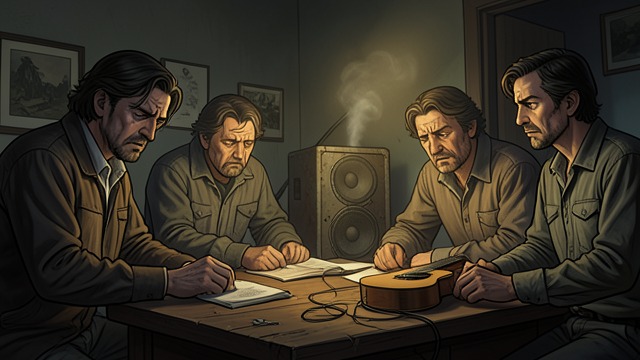
A Music That Connects
Sound as a way of being
The play’s opening frames the Blues as music that breathes, touches, and connects. It belongs to Black people whose Southern roots have been reshaped by northern city life, but it remains a distinctive way of being rather than a mere sound or style.
The description places this music amid the daily pressures of the South Side: cold rented rooms, labor, and the approaching night life of bars and juke joints. Music is introduced as something formed inside lived experience, not detached from it.
A resource for survival
The Blues offers warmth, redress, braggadocio, and prayer. Its emotional range allows people to gather themselves for the next struggle, even when they remain vulnerable to the world around them.
That framing establishes the play’s central measure of musical meaning. A song matters not simply because it sells or entertains, but because it carries a community’s experience and helps listeners endure it.
Songs Before the Session
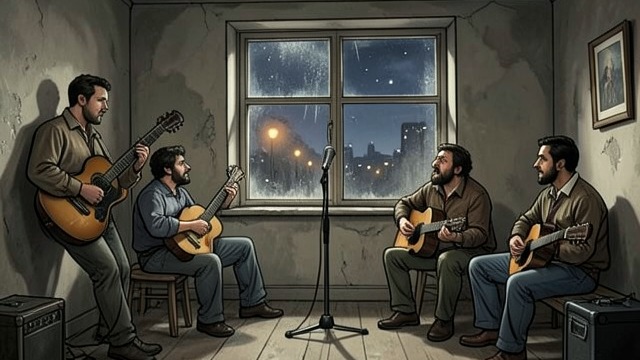
Songs Before the Session
Music as work and fellowship
The band rehearses familiar songs while waiting for Ma Rainey, treating the work as both a job and a practice they know through years of playing together. Their teasing and disagreements do not erase the closeness built on roads, dances, and performances.
Slow Drag’s singing of “Hear Me Talking to You” makes the music audible as a social exchange. The lyrics address a listener directly, turning the song into a voice that can declare wants and boundaries.
The meaning behind the sound
Toledo argues that Black music carries inherited ways of understanding, while Levee dismisses some of his explanations as abstraction. Their dispute reveals a question beneath the rehearsal: whether music’s meaning lies mainly in the sound, in its history, or in what people make of it together.
Even when the players disagree, the band’s shared musical practice holds them in relation. Their session is not just preparation for a recording; it is a community briefly shaping a common sound from separate temperaments and experiences.
Life Speaking Through Song

Life Speaking Through Song
The singer’s understanding
Ma Rainey explains that the Blues is not a simple remedy for sadness. People sing because the music is a way of understanding life, and its presence can help a person rise in the morning knowing that they are not alone.
Her account connects a personal voice to a larger inheritance. She denies that she invented the Blues, saying it has always existed; she sees herself as having helped fill an emptiness that listeners already felt.
Making space for others
Toledo describes Ma’s contribution as giving people something they cannot be without. Her authority comes not only from fame but from the way her performance gives shape to feelings that might otherwise remain unspoken.
The exchange clarifies the difference between a song’s commercial recording and its living function. The singer’s work matters because it offers recognition and continuity to listeners, even when the recording company focuses on what can be captured and sold.
A Voice in the Recorded Song

A Voice in the Recorded Song
A stammer made audible
Ma insists that Sylvester Brown deliver the spoken introduction, despite the band’s concern about his stutter. The first attempts falter, but Ma encourages him to take his time rather than treating the imperfection in his speech as a reason to erase his contribution.
On the successful take, Sylvester gets through the introduction and Ma begins the song. His voice does not disappear into the performance; it becomes part of the occasion Ma has insisted on creating.
The fragile act of preservation
The recording fails because of a damaged microphone cord, forcing the company to repeat the work. The mishap exposes how precarious it is to preserve a performance: the people can do their parts well and still lose the sound to technical failure.
When the song is finally captured, Ma’s insistence has secured space for Sylvester’s voice as well as her own. The moment links artistic expression to human recognition, while showing how dependent that recognition is on equipment and decisions controlled by others.
The Song After the Crisis
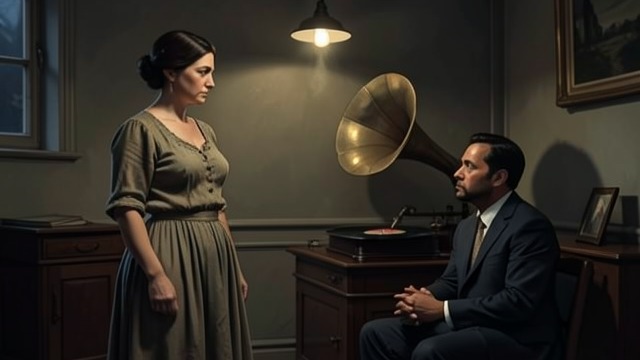
The Song After the Crisis
Music returns to the room
After Levee’s confrontation with Cutler, Ma’s singing is heard as the lights fade. The song persists across a moment when argument and physical threat have overwhelmed the musicians’ shared space.
When the studio lights return, the session is winding down. Ma praises Slow Drag’s bass playing and recognizes how the musicians have listened and responded to one another, making the performance a collective achievement rather than a solo display.
Continuity without resolution
That musical recognition does not settle the conflicts that have built through the session. Levee remains at odds with Ma’s expectations, and the band’s work offers no guarantee that the musicians will share a future.
Instead, the closing return to music underscores the Blues as a form of continuity. A song can carry feeling beyond a crisis, but it cannot by itself undo the material pressures or personal ruptures that shape the lives of the people who make it.
In the opening description of Chicago, early March 1927
Early in the afternoon, while the band rehearses downstairs
During the recording-room conversation, before the session resumes
After Sylvester’s successful introduction and the first failed take
Near the end, after the confrontation between Levee and Cutler
