
Levee’s Grievances Turn Inward
Ma Rainey's Black BottomThis thread follows how Levee’s repeated struggles for recognition intensify into a final, sudden act of violence against Toledo.
increasing Bearing strength in each event
 decreasing
Bearing strength in each eventdecreasingThe Leftovers Debate
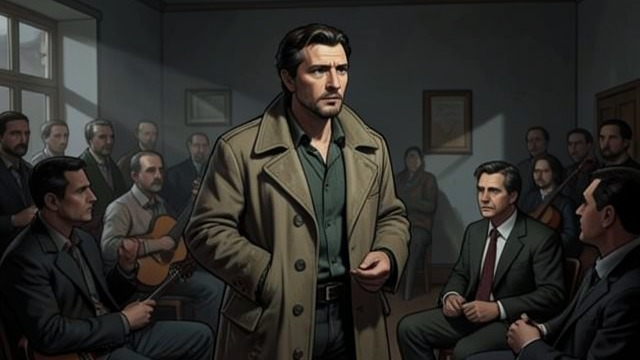
History as an Argument
Toledo’s Account
Toledo describes Black people as leftovers from histories created and consumed by others. His metaphor asks the band to recognize a shared past and consider what comes after it.
Levee Rejects the Lesson
Levee mocks the explanation as confusing and useless, while Slow Drag questions what the metaphor means in practical terms. The disagreement reveals contrasting responses to exclusion: Toledo searches for collective understanding, whereas Levee resists an account that does not immediately change his position.
The Difference Over Dissatisfaction
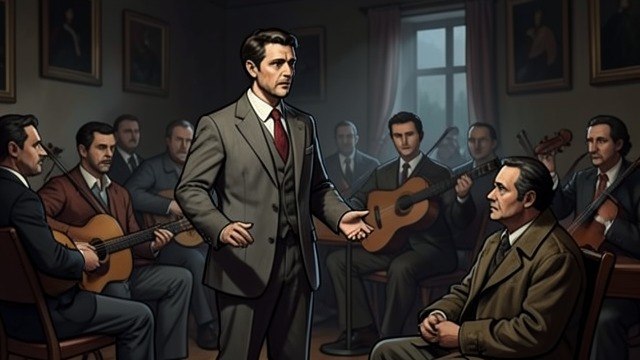
Acceptance Versus Refusal
Toledo’s Lesson in Limits
Toledo argues that people can produce their own dissatisfaction by always wanting what they lack. He urges the musicians to examine their expectations and the ways they respond to the lives available to them.
Levee Names the Unequal Share
Levee answers that Black people have a right to be dissatisfied when they receive a small portion while white people take the larger share. Their disagreement turns on whether adjustment is wisdom or surrender. Levee sees Toledo’s language of acceptance as too accommodating to an unjust world.
A Warning About Consequences
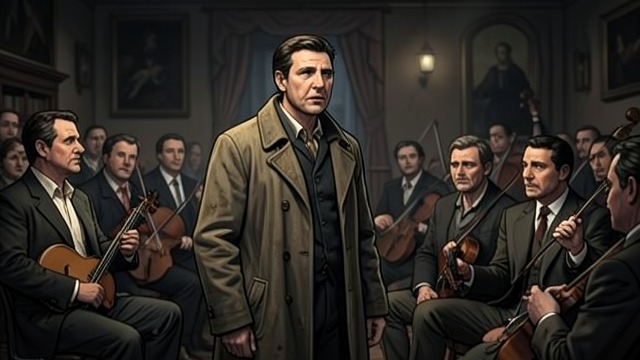
The Foolishness Dispute
Levee Dismisses Caution
When the musicians warn Levee that approaching Dussie Mae could create trouble with Ma, he insists that he is simply acting as he chooses. He treats concern for consequences as another attempt to limit his freedom.
Toledo’s Counterpoint
Toledo says that foolishness can feel exciting until someone has to face what follows. Levee turns the observation back on Toledo, using his past marriage as proof that everyone has been foolish. Their exchange deepens the personal antagonism beneath their broader disagreements about how to live.
The Rejected Songs
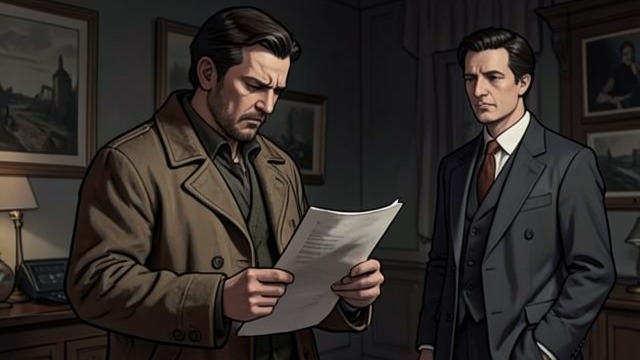
A Promise Withdrawn
Levee Seeks Recognition
Levee asks Sturdyvant to record the songs he has written and explains that he has musicians ready. He believes the material can reach listeners who want music with more energy than the familiar accompaniment style.
Anger Without an Outlet
Sturdyvant refuses, offers only to buy the songs cheaply, and leaves when Levee will not accept. The rejection follows Levee’s firing and his repeated failure to secure creative authority. His ambitions have been denied, but the anger generated by that denial has no clear or constructive destination.
The Shoe and the Knife
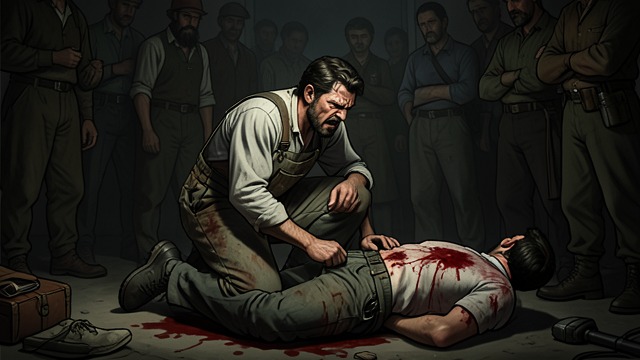
A Trivial Incident Becomes Fatal
The Spark
As the musicians pack their belongings, Toledo accidentally steps on Levee’s shoe and apologizes. Levee fixates on the damage, demanding that Toledo acknowledge what he has done even after Toledo says there is nothing more he can do.
Violence and Recognition
Levee suddenly stabs Toledo in the back. He insists that Toledo stepped on his shoe and asks for help, then tries to lift the dying man and panics at his gaze. The small immediate grievance cannot account for the scale of the violence; it becomes the final point at which accumulated humiliation, rejection, and anger erupt into irreversible harm.
After Toledo returns with sandwiches in the afternoon
During the Act Two conversation before the Reverend Gates story
As Levee continues defending his independence in Act Two
After the musicians finish the session and receive payment
In the final moments in the band room
