Ma Rainey’s altercation with the cab driver and the police
Ma Rainey's Black BottomMa Rainey’s altercation with the cab driver and the police is the disruptive episode that precedes her arrival at the recording studio: she comes in late with a policeman, Dussie Mae, and Sylvester, carrying a dispute over an alleged assault and a damaged car into the waiting room. The episode turns on competing accounts of what happened, but also on who can make an account prevail. Ma demands that the policeman tell the story correctly; Irvin ultimately intervenes with money and professional status, and the officer leaves without taking her to the precinct.
Causes and Background
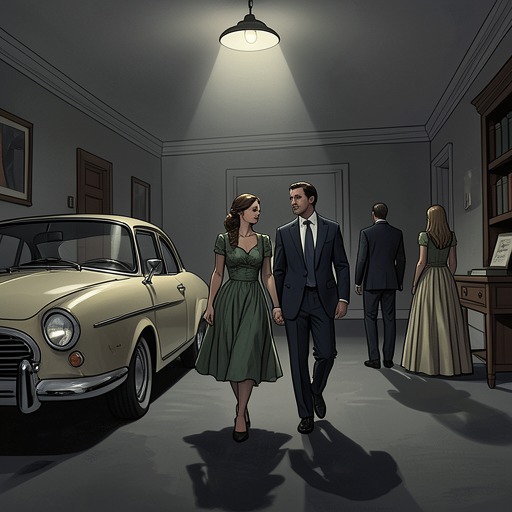
Before Ma arrives, Irvin asks why she has not come when expected. Toledo can only report that she had said she would be there at one o’clock. Her delay is therefore already a practical problem for the recording session before its cause is explained. The buzzer sounds, Irvin goes to the door, and the entrance becomes a small procession: Ma is followed by the policeman, Dussie Mae, and Sylvester.
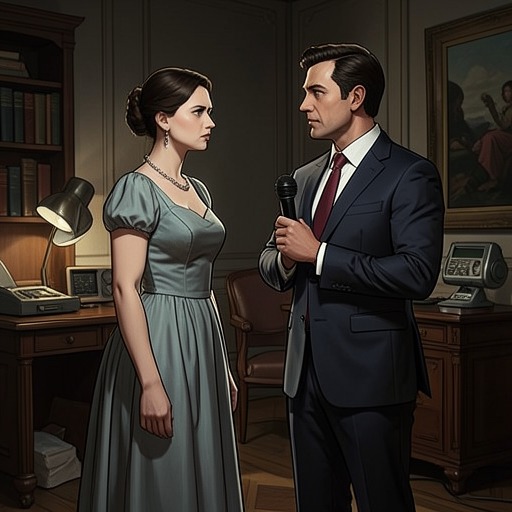
The stage description sets Ma’s public presence against the commotion surrounding her. She wears a full-length fur coat and matching hat, an emerald-green dress, and several strands of pearls; her manner is direct, and she carries herself royally. Dussie Mae arrives in a fur jacket and tight-fitting yellow dress, while Sylvester, an Arkansas country boy in a new suit and coat that visibly discomfort him, is described as usually stuttering. These details establish the group’s distinct presence before the police account supplies the argument that has brought them together.
A second dispute concerns Ma’s car. Dussie Mae blames Sylvester for wrecking it; Sylvester denies responsibility and says the other man ran into him. The exchange does not settle who caused the collision. It instead establishes that the group arrives amid several contested versions of responsibility, with Sylvester’s stutter shaping how his defense is delivered but not resolving its truth.
Competing Accounts of the Cab Incident
When the policeman begins to describe the incident, Ma interrupts the authority of his account without preventing him from speaking: she tells him to go ahead, but insists that he tell it right. In his version, Ma tries to get into a cab whose driver is waiting for a fare. A disturbance follows; the driver gets out to explain the situation, and, the policeman says, Ma knocks him down. The police have charged her with assault and battery.
Dussie Mae and Sylvester immediately challenge the claim that Ma struck the driver. Dussie Mae says he fell, and Sylvester also insists that he slipped. Ma then gives a more specific account: she says she did not touch the man; the driver was reaching around her to keep the cab door closed, and when she opened it, the door hit him and he fell. Dussie Mae supports the narrower detail that Ma was trying to open the door. The disagreement is not simply over whether the driver fell, which all accounts allow, but over what caused him to fall and whether Ma assaulted him.
The policeman’s version and Ma’s do not receive an independent resolution in the scene. His wording attributes the physical act to her; her explanation places the door between them and denies direct contact. The staging keeps the charge and her denial side by side, while the insistence that the story be told accurately makes control of the account part of the conflict itself.
Sylvester and the Police Response
The policeman also says that Sylvester threatened the cab driver. Sylvester answers that the other man threatened to get a baseball bat and that he only said what he would do with it; because the man never got the bat, Sylvester argues, he did nothing to him. This defense belongs to the same arrival and police encounter, but it remains a separate disputed accusation from the charge against Ma. Together with the disagreement about the car, it shows why the group’s arrival is accompanied by more than one unresolved claim.
The officer says that the group was on its way to the precinct, but that he decided to do Irvin a favor by bringing Ma to the studio because she had said she was important. Irvin pulls him aside and identifies himself as Ma’s manager. He slides a bill from his pocket; the policeman pockets it and winks. The officer then says there is no need to go to the precinct and that he will take care of the matter himself, adding a warning that he does not want anything like it to happen again. Irvin assures him that he will take care of everything and thanks him before escorting him to the door.
Consequences and Significance
The immediate outcome is not a finding about who was right, nor a scene in which the assault charge is formally examined. Instead, the threatened trip to the precinct is averted through Irvin’s intervention and payment. His managerial role gives him a way to negotiate with the policeman, while Ma’s insistence on her account remains on record in the room rather than being publicly adjudicated. The officer’s wink makes the payment visible as an exchange, even as his promise to handle the matter leaves its official resolution unspecified.
The episode also makes Ma’s delayed arrival inseparable from her claim to authority. She enters in conspicuous clothes and demands that the policeman tell the story accurately; Irvin, rather than the officer, then manages the practical end of the encounter. Once the policeman has gone, Irvin returns to Ma and offers to take her coat, shifting the scene from police business toward the studio’s waiting work. The incident thus ends not with agreement about the cab or the damaged car, but with Ma free to remain at the studio and the disputed events left unsettled.