Ma stops the session to demand Coca-Cola
Ma Rainey's Black BottomMa Rainey stops the recording session when the Coca-Cola she expects is missing, refusing to sing until it is brought to the studio. The delay exposes a larger tension: Sturdyvant and Irvin treat the session as a schedule to manage, while Ma insists that neither the timing nor the musical direction is theirs to dictate. Her demand interrupts the work, but it also makes her authority over her performance unmistakable.
The Studio and the Disputed Terms
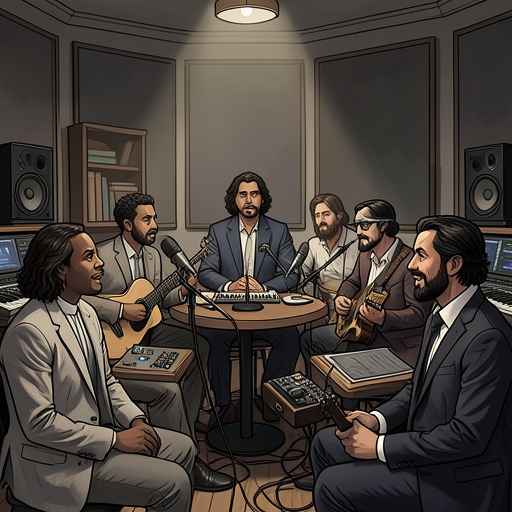
The action takes place in a building divided between the basement band room and the upstairs recording studio. The studio, at stage right, contains a control booth, a line of chairs, and a horn through which the control room communicates with the performers; a door at the rear connects it to the band room. This arrangement gives the recording staff a separate space from which to listen and issue instructions. At the start of the play, Irvin tests the microphone while Sturdyvant watches from the booth, already positioned to oversee the recording from a distance.
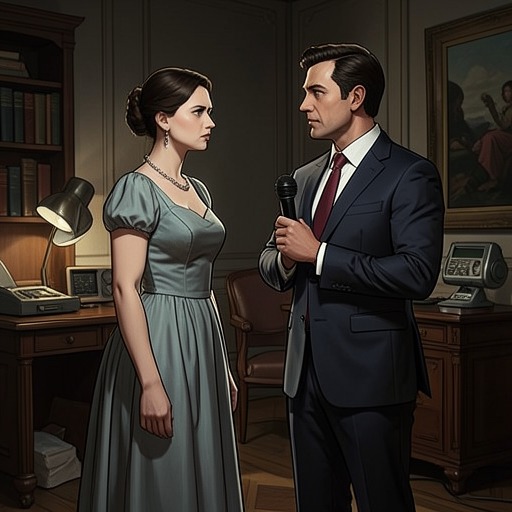
The Coca-Cola dispute begins amid musical direction as well as logistical preparation. Sturdyvant tells Ma not to wait so long before coming in and asks her to shorten the introduction. Ma answers by drawing a boundary between their roles: he can manage matters upstairs, but he cannot tell her how to sing. Her immediate question about the missing drink follows that refusal. The sequence ties the practical demand to the dispute over who controls the performance, without making the two issues identical: Ma objects both to the absent Coca-Cola and to Sturdyvant’s attempt to prescribe her entrance.
The Session Stops
Irvin announces that the musicians are ready for “Ma Rainey’s Black Bottom,” but Ma keeps asking for Coca-Cola rather than beginning. She repeats the request, and Irvin admits that he forgot it. He proposes recording just this one song without the drink, appealing to the fact that Sylvester Brown is waiting and the band is set up. Ma refuses to accept the compromise. Sturdyvant adds that there is no Coca-Cola at the studio and urges the session forward; Ma walks away from the microphone, singing to herself.
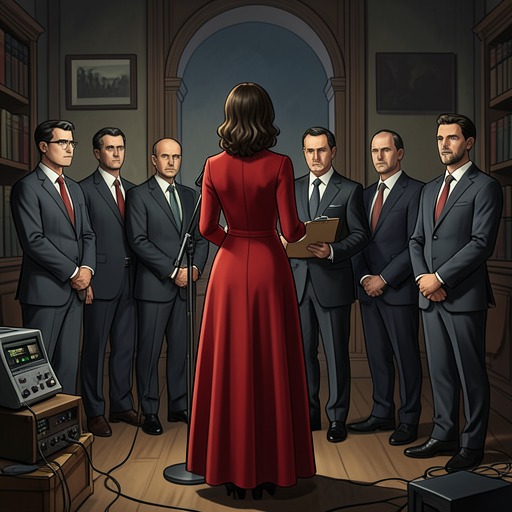
Sturdyvant then comes down from the control booth and objects to the delay. He points to Ma’s late arrival, the schedule already running behind, the assembled band, and the studio expenses, including the lights and heat. His complaint treats the interruption as a cost imposed on a recording operation that is ready to proceed. Ma’s response is to tell him to get out of her way. The exchange shifts the immediate problem from a forgotten purchase to an open contest over who can set the conditions under which she will sing.
The Coca-Cola Errand
Irvin intervenes, saying that he will handle the matter and offering to call the deli for a Coke while asking Ma to begin. He again emphasizes that Sylvester Brown is ready and the band is set. Ma rejects the suggestion that she should wait for Irvin to obtain the drink on her behalf: she says she will buy her own and calls for Slow Drag. She directs Slow Drag and Sylvester Brown to go to the store on the corner and bring back three bottles of Coca-Cola, telling the others to wait until she has them.
The errand gives the stoppage a concrete endpoint: the session is not to resume simply because the equipment and musicians are ready; Ma has named what must happen first. The stage directions send Irvin and Sturdyvant into the hallway, followed by Slow Drag and Sylvester Brown, while Toledo, Cutler, and Levee head for the band room. The movement separates the waiting musicians from those leaving to attend to the demand, making the interruption visible across the two playing areas. The evidence records the order to fetch the bottles, not their return or a precise duration for the delay.
Meaning and Aftermath
The scene presents Ma’s insistence as more than a disagreement about refreshments. She will not let the company’s timetable override the conditions she has stated, and her refusal to sing makes the demand effective. Sturdyvant can speak through the studio’s control system and account for the expense of keeping the session ready; Ma, by leaving the microphone, can withhold the performance that the recording requires. The equipment and divided space therefore frame a practical struggle over access to her voice: the staff can prepare to record, but preparation does not itself secure her participation.
The exchange also fits the play’s wider account of Ma’s relationship to the blues. Later, Toledo calls her the Mother of the Blues and describes her songs as filling an emptiness people cannot do without; Ma answers that the blues existed before her and that she only helped it along. That later conversation does not explain the Coca-Cola demand, but it clarifies why control of the performance matters in the play: Ma understands her contribution as part of a tradition, while the recording session turns that contribution into a product to be captured and scheduled. Her insistence on the drink remains specific and immediate, yet the scene places it beside her broader refusal to have others dictate how she sings.
The recording session later encounters a separate technical failure: Sturdyvant reports that the song has not been recorded, and Irvin identifies a chewed microphone cord. This breakdown is not attributed to the Coca-Cola stoppage. Keeping the two incidents distinct matters: Ma’s interruption is a dispute about the terms of her participation, whereas the failed recording is traced to damaged equipment. Together they show that the session depends on both the performer’s agreement and the machinery meant to preserve the performance, but only the former is at stake in her demand for Coca-Cola.