
Sex Work, Stigma and Dignity
Mafia Queens of MumbaiExplores how Gangubai and Kamathipura's sex workers fought society's stigma by demanding recognition, rights and protection as equals.
increasing Bearing strength in each event
 decreasing
Bearing strength in each eventdecreasingNath Utaarna as Violence and Ritual
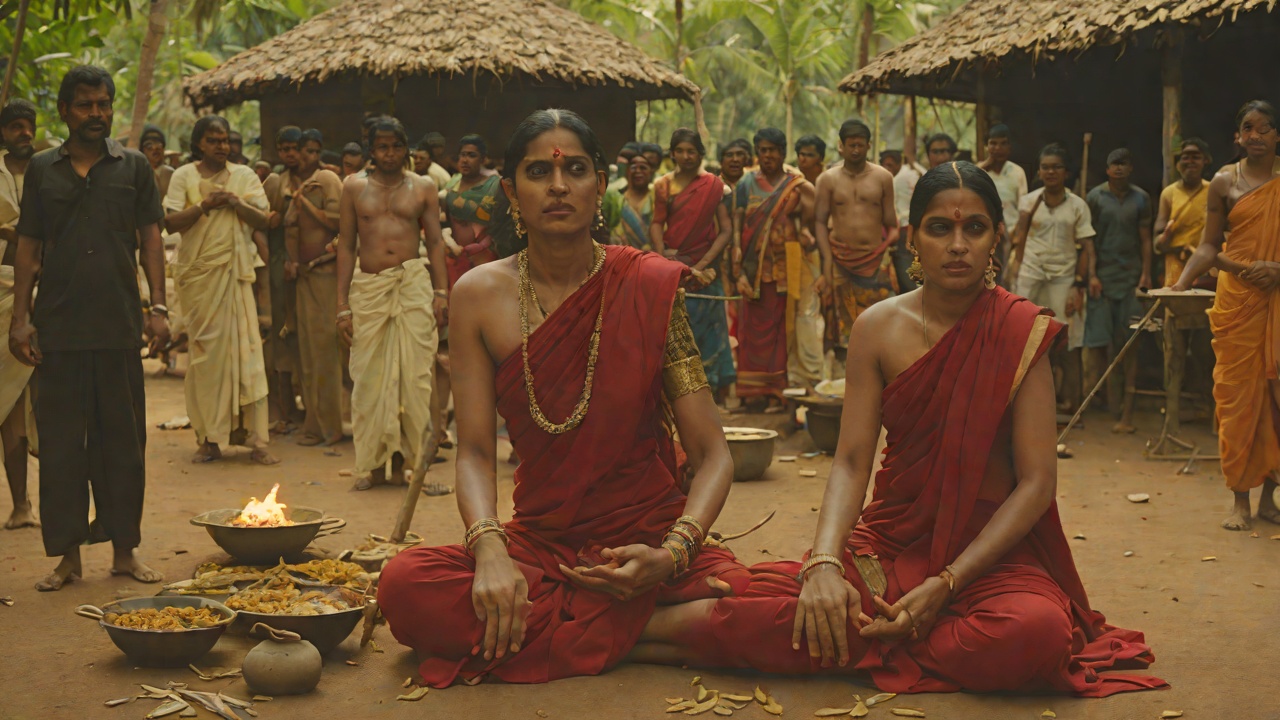
Nath Utaarna as Violence and Ritual
What Happens
Ganga is subjected to the nath utaarna ceremony, a practice that sells a girl's first sexual experience while dressing it in wedding imagery. The ritual marks her loss of selfhood and entry into the trade.
Why It Matters
The ceremony is the book's clearest image of how violence is disguised as tradition. Gangubai's later fight for dignity must be measured against this brutal origin.
Hierarchy of Gharwalis
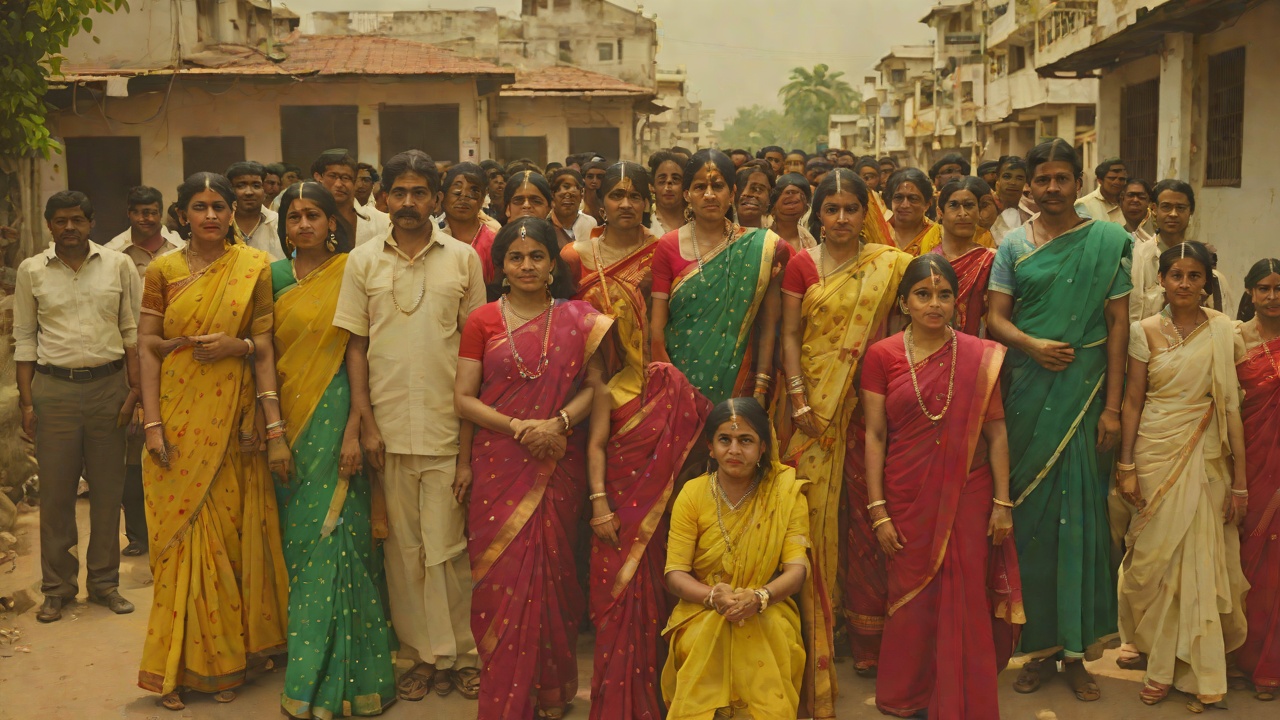
Hierarchy of Gharwalis
What Happens
Gangu contests the local gharwali elections and wins, becoming a madam who controls pinjras and other workers. She rises to bade gharwali, governing an entire building.
Why It Matters
The elections give sex workers an alternative governance system. Gangubai uses this informal power to protect women where the state refuses.
Azad Maidan Speech
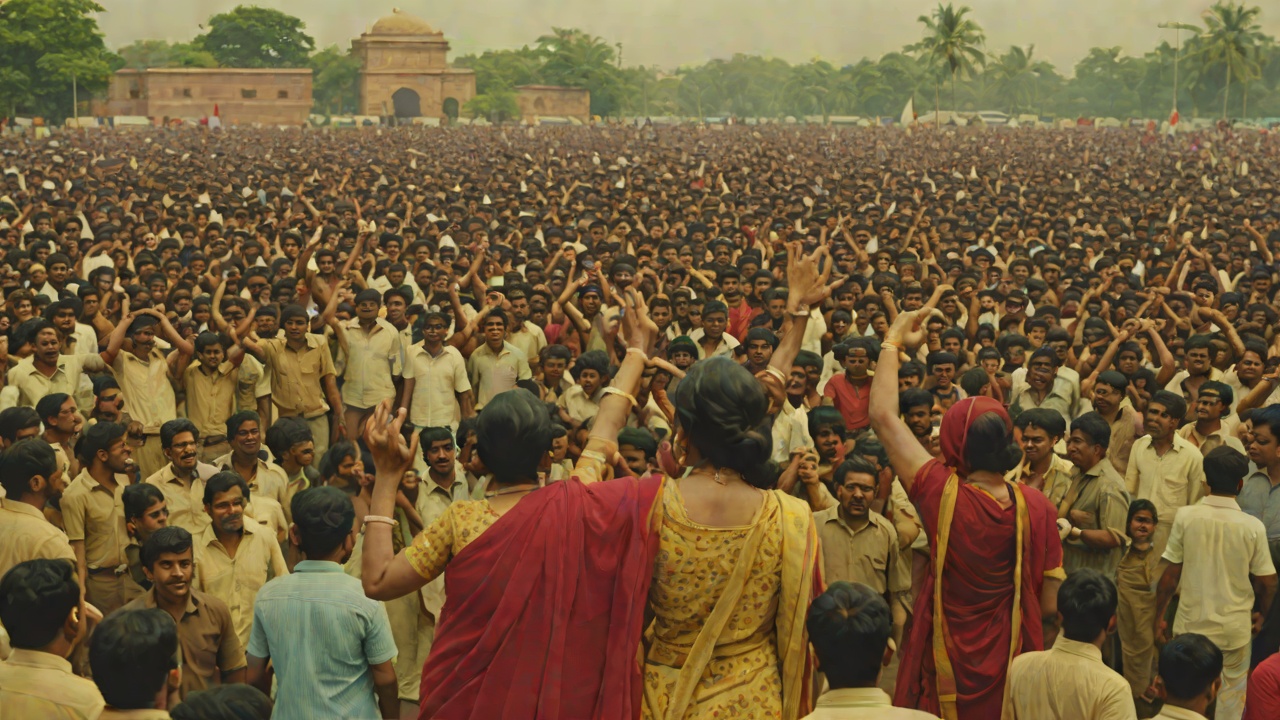
Azad Maidan Speech
What Happens
Gangubai tells a hostile crowd that she is a gharwali, not a ghar todnewali, and that sex workers protect society's women by absorbing male aggression. She compares prostitutes to soldiers and toilets, demanding equality.
Why It Matters
The speech is the most radical defence of sex work in the book. It refuses shame and insists on social utility, making Gangubai a proto-feminist icon.
Saving Madhu from a Brother's Betrayal
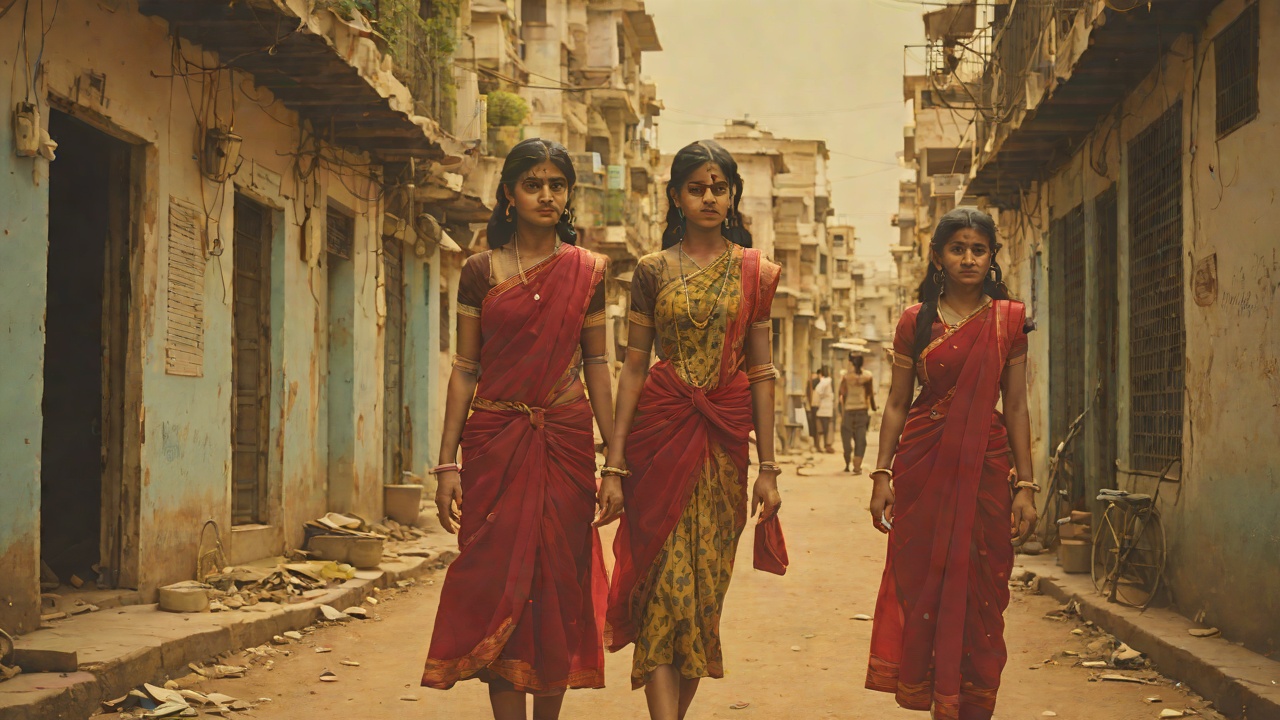
Saving Madhu from a Brother's Betrayal
What Happens
Sixteen-year-old Madhu, sold by her lover Shravan, refuses to work in a brothel. Gangubai speaks with her, forces her to see the dangers of returning home, and orders her release.
Why It Matters
The story shows Gangubai's dignity project in practice: she prioritises a girl's will over business profit. It establishes her as a moral authority within an exploitative system.
The Queen's Undying Portraits
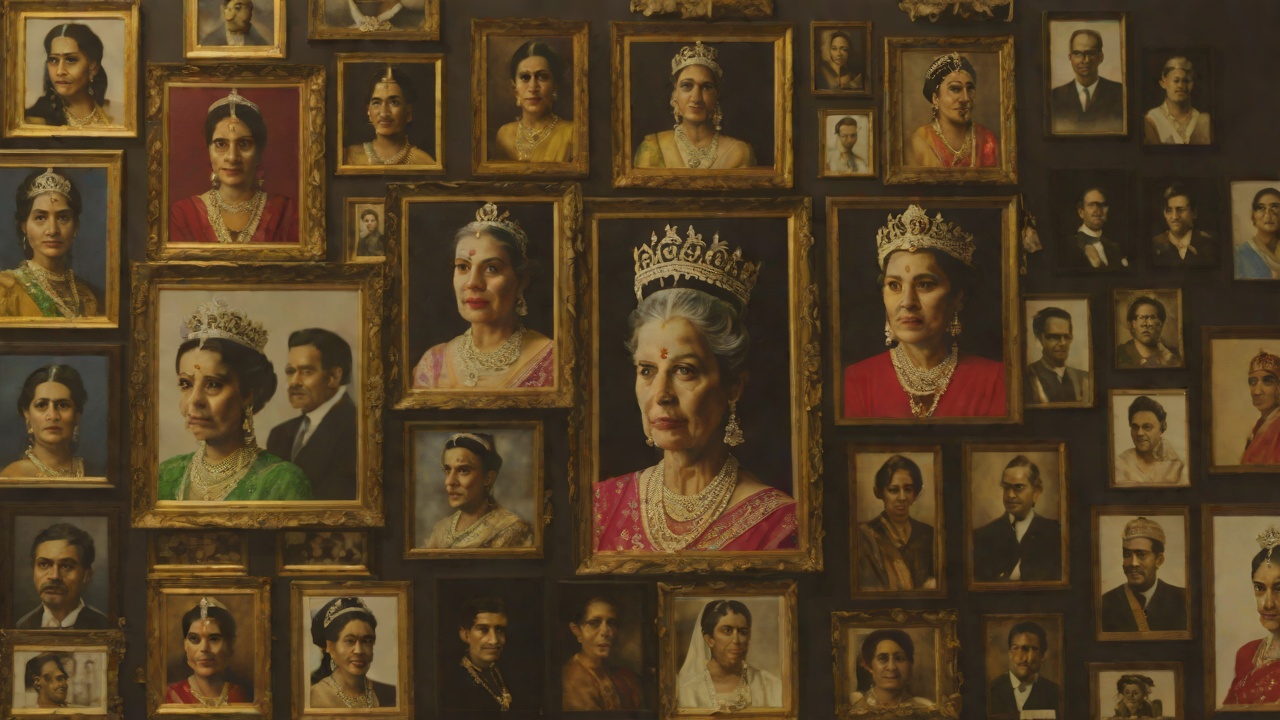
The Queen's Undying Portraits
What Happens
Framed pictures and statuettes of Gangubai fill Kamathipura brothels, and sex workers describe her as the queen of Kamathipura. Her legacy becomes a source of collective pride.
Why It Matters
The iconisation is the final victory over stigma. What society treats as shame is remembered inside the red-light area as royalty.
the 1940s, in a Kamathipura brothel
after Sheela's death, in the 1950s
a women's conference in Azad Maidan
during Gangubai's later years of authority
after Gangubai's death, from the mid-1970s onward
