1992–93 Bombay riots
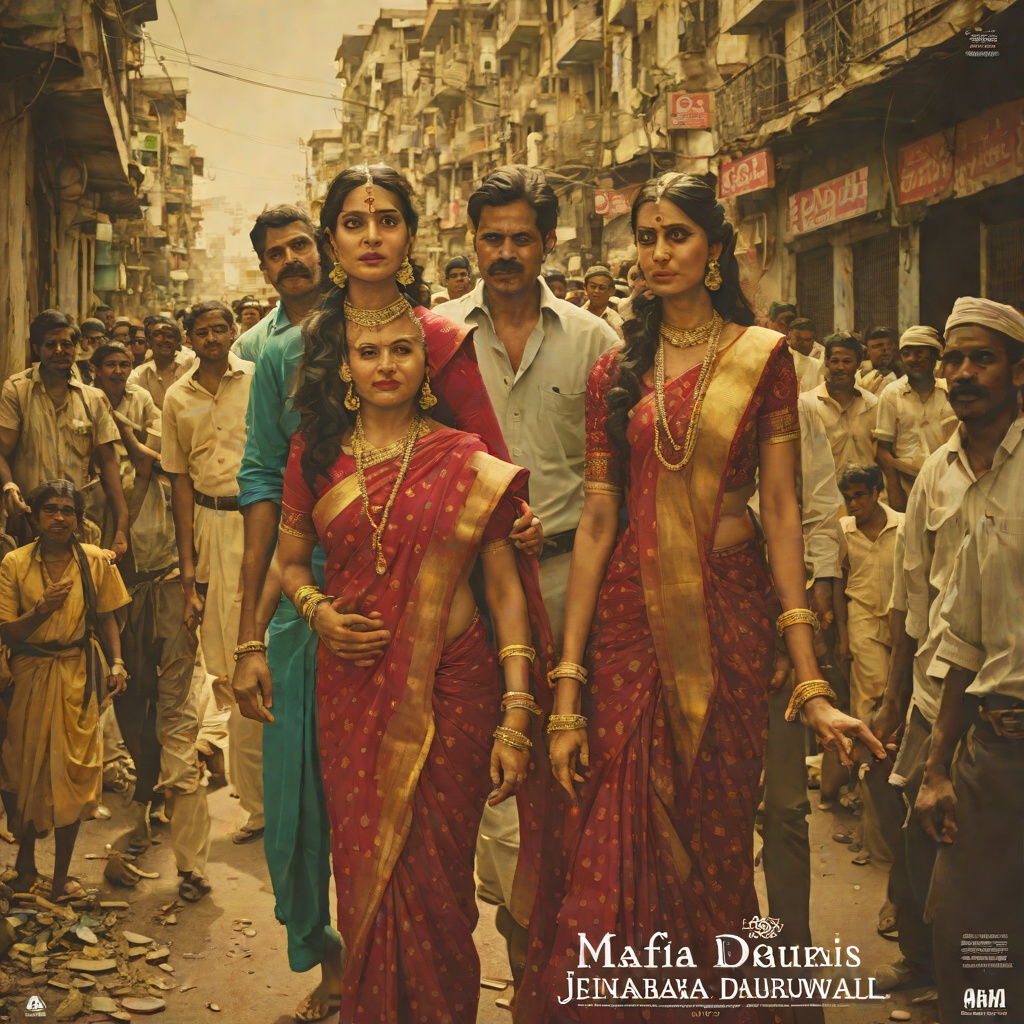
Mafia Queens of MumbaiThe 1992–93 Bombay riots were a cataclysmic series of politically-motivated and planned communal riots between Hindus and Muslims that engulfed Mumbai in the wake of the demolition of the Babri Masjid in Ayodhya on 6 December 1992. Occurring just a few years before the island city of Bombay officially became Mumbai, the riots shattered the city's long-held image as a smorgasbord of diverse religions, plunging it into a fire of religious discord. The violence led to the systematic slaughtering of people from both communities, with several hundreds killed and thousands rendered homeless by rampaging, angry mobs. For the underworld figures chronicled in the book, the riots were a watershed: they destroyed the power bases of the old crime bosses, created the conditions for a fragile peace march led by an elderly woman, and left lasting scars on the lives of ordinary citizens who would later turn to crime for survival.
Causes and Background
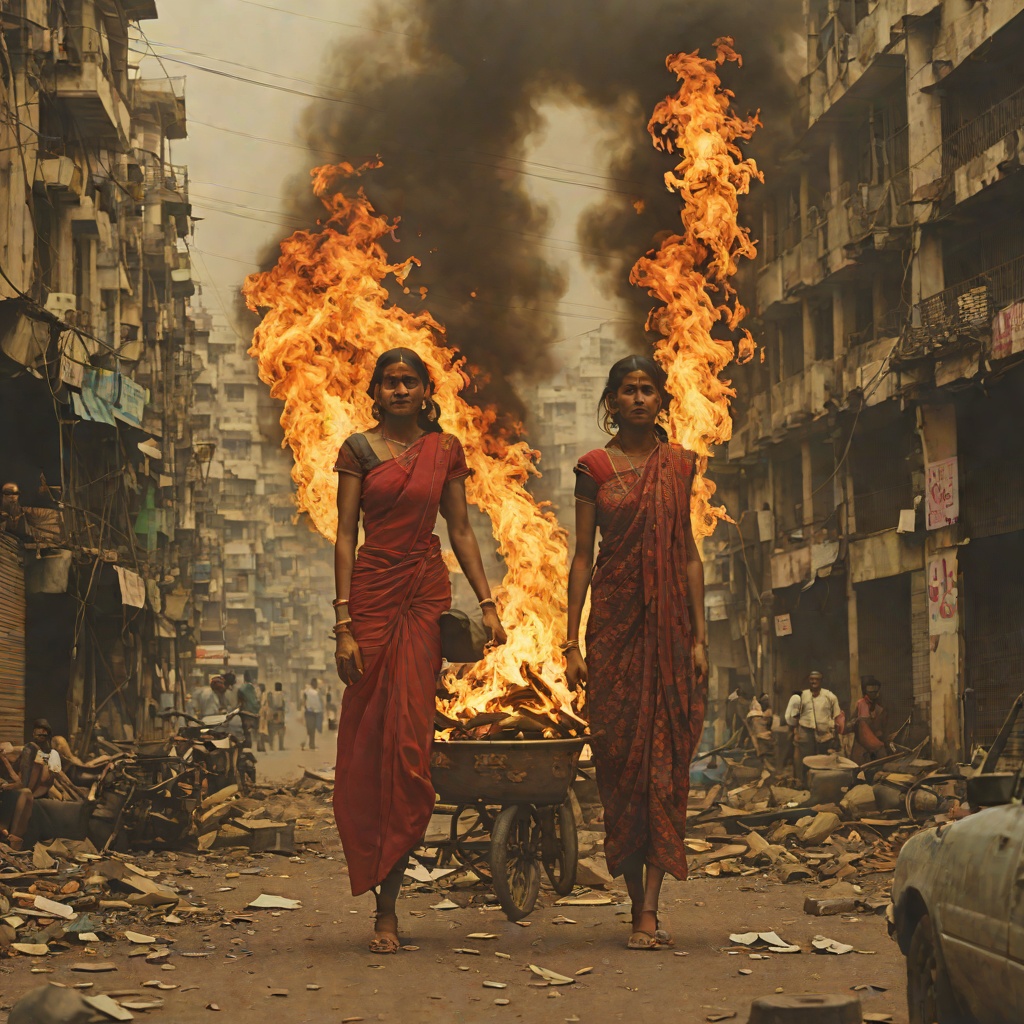
The immediate cause of the riots was the demolition of the Babri Masjid in Ayodhya on 6 December 1992, an event whose tremors caused violent aftershocks in Mumbai. The city, which had always been seen as a smorgasbord of diverse religions, was suddenly shrouded by the communal shadows of the past. The demolition triggered politically-motivated and planned rioting between Hindus and Muslims, a deliberate orchestration rather than spontaneous mob fury. The violence was so severe that the army, unable to control the riots, was forced to declare curfew. Specific Muslim locations became epicentres for all the wrong things that occurred in the city: Bhendi Bazaar, Dongri, Nagpada, Dharavi and Mumbra were all labelled as 'sensitive zones', areas that saw tremendous bloodshed and destruction. These were not random targets but communities that had long been marginalised and criminalised, and the riots exposed how communal identity could be weaponised against them.
The Collapse of the Old Underworld Order
The riots had a profound and immediate effect on the structure of the Mumbai underworld, dismantling the power that had been carefully built over decades. For Jenabai Daaruwali, the elderly bootlegger who had once ruled Dongri, the riots were a catastrophe. All her power centres in the underworld were fading fast. The top mafia bosses Karim Lala and Haji Mastan were old and ailing and living a retired existence, while Vardharajan Mudaliar had long since died after retreating to Chennai in 1988. The reigning ganglord Dawood Ibrahim had also relocated to Dubai. As far as wielding power was concerned, she was left with nothing. Earlier, a reprimand from her window would have silenced any sort of violent activity below; now, no one cared. She had seen thousands gather to protest the demolition of the Babri Masjid and had noticed how the mob turned violent and set police vehicles on fire. She requested them to stop but no one heeded her. Her power had been mutilated with the Hindu-Muslim riots, and she had been asked to stay put. The riots thus did not merely cause physical destruction; they symbolically dethroned the old guard of the underworld, leaving a vacuum that the communal violence filled.
Jenabai's Peace March
The Suleman Usman Bakery firing on 9 January 1993 was the last straw for Jenabai. The Special Operation Squad (SOS), suspecting terrorists were holed up on the terrace of Suleman Usman Bakery, had—under the direction of joint commissioner of police R.D. Tyagi—opened fire inside the bakery. Jenabai peered through her windows and heard the gunshots and helpless cries of people from inside the bakery; she was a spectator to one of the most gruesome and unwarranted killings by the police. The firing resulted in the death of nine Muslims, but the police failed to apprehend terrorists or seize firearms from the spot; the truth being that there were neither. Now, even a hundred warnings by the forces would not shake her determination to step out of her home. In her long white chikan nightgown and a shawl that covered the grey in her hair, this fair and heavily jewelled lady, with a rosary in one hand and a white flag in the other, went out onto the street. In a few seconds, a group of young men had gathered behind her as she led the demonstration. She walked between the torched lanes of Dongri towards the Pydhonie junction, unconcerned about danger. The junction, with the Hamidiya Masjid on the right, Khatri Masjid on the left and three Jain Derasars, had become the dividing line for the two wounded communities. The Pydhonie police station, a gift of the British era, stood at right angles from these religious houses. When she reached the junction, she stopped. This march was a singular act of defiance: a seventy-two-year-old woman, stripped of all her underworld power, using her moral authority to confront the communal madness that the state and the mafia alike had failed to contain.
Lasting Consequences on Individual Lives
The riots did not end with the restoration of order; their consequences rippled through the lives of ordinary citizens for years. The story of Tarannum Khan, who would later become one of Mumbai's most controversial bar girls, illustrates this enduring trauma. Times were rough for Tarannum's family. Her parents had already endured grave financial loss when their home at Sion in central Mumbai was set on fire during the Hindu-Muslims riots of 1992-93. Further, Tarannum's mother, who suffered from diabetes and a heart problem, needed immediate medical attention. At the young age of seventeen, Tarannum had to give up on her dreams of becoming an air-hostess and do menial jobs to meet the medical expenses of her ailing mother. Her efforts were either too little or simply inadequate, and this is when she took to dancing at bars. The riots thus directly funneled a young woman into the dance bar industry, a path that would eventually lead to the 2005 Maharashtra dance bar ban and an Income Tax raid on her bungalow, Tanishq, in suburban Mumbai. The riots were not a contained historical event but a generative force that reshaped individual destinies, pushing the vulnerable into the margins of the criminal economy.
Narrative and Thematic Significance
In the book's broader narrative, the 1992–93 Bombay riots serve as a crucial pivot that exposes the intersection of communal politics, state violence, and the criminal underworld. The riots are presented not as a natural disaster but as a politically-motivated and planned event, a deliberate act of violence that the state's own forces compounded through actions like the Suleman Usman Bakery firing. The book's focus on women criminals gives the riots a distinctive lens: it is the elderly Jenabai, not a young gangster, who emerges as the hero of Dongri, using her white flag and rosary where the police and the mafia had failed. The riots also demonstrate the book's central thesis that these women were not blank slates written upon by dangerous male mafia members, but active agents who pushed the boundaries of dominant moral codes. Jenabai's march, undertaken when her power was at its nadir, is a testament to the complex minds and psyches of women criminals, who transcended their poverty and limitations through acts of both crime and conscience. The riots, in this telling, are the crucible in which the old order dies and new, unexpected forms of authority—an old woman's moral courage—are forged.