2005 Maharashtra dance bar ban
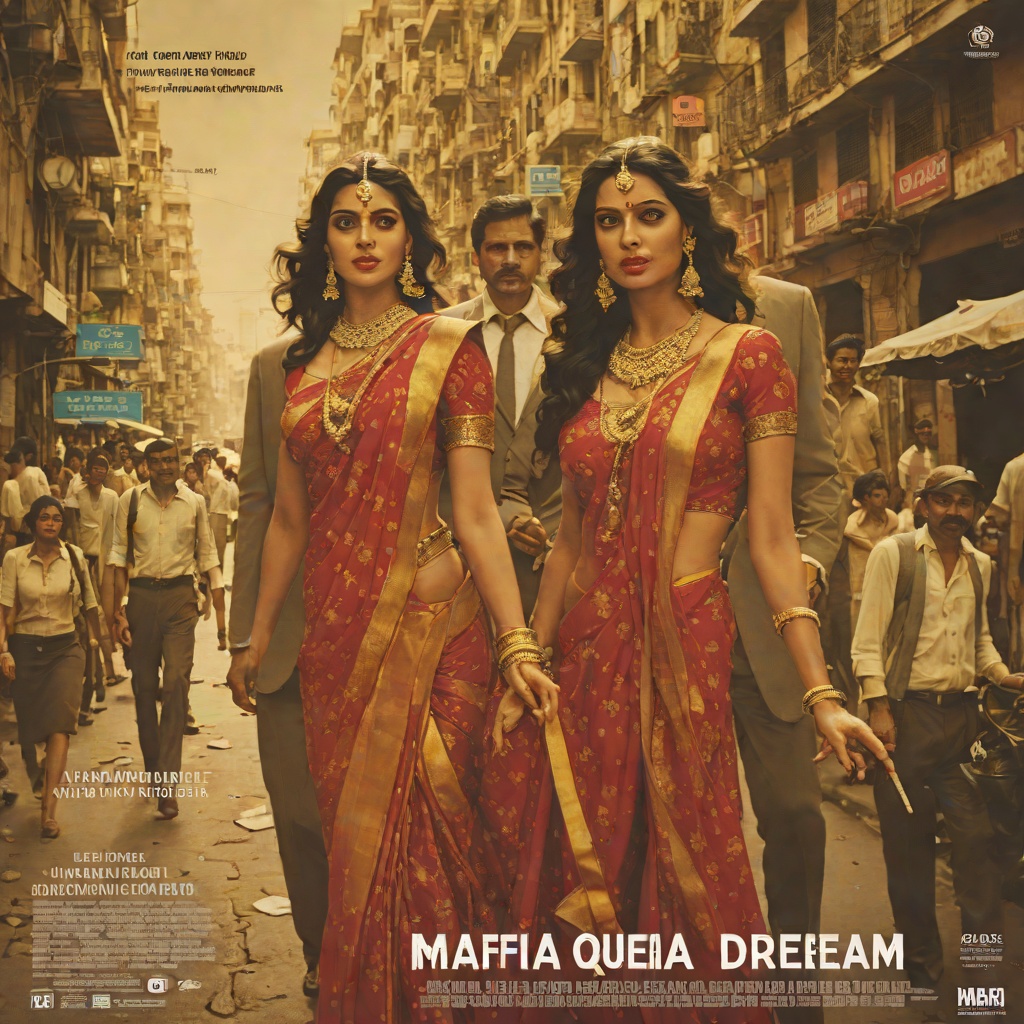
Mafia Queens of MumbaiThe 2005 Maharashtra dance bar ban was a decisive state intervention that outlawed dance performances in the bars and restaurants of Maharashtra, announced by the then Home Minister R.R. Patil. Citing the dance bars as detrimental to society, Patil set an early deadline of August 15 for all dance bar owners to shut down their establishments. The ban did not merely close venues; it dismantled an entire economy and way of life for thousands of women, abruptly ending the careers of celebrated performers and scattering them into uncertain futures. It stands as a stark example of state power reshaping the lives of marginalized women, forcing them to find new, often more dangerous, means of survival.
The World of the Dance Bar Before the Ban
Before the ban, dance bars were a thriving and lucrative part of Mumbai's nightlife, a world of glittering lights, Bollywood music, and wealthy patrons. The atmosphere in these establishments was one of intense performance and calculated allure. As a popular Bollywood track like Kajra Re began to play, the lights would dim, and a single dancer would take the floor, drawing the attention of every patron in the room. One such performer, Tarannum Khan, was the pin-up girl of suburban Mumbai's Deepa Bar and Restaurant. At the age of twenty-four, she was no less popular than any Bollywood starlet, allegedly making over Rs 1.5 to Rs 3 lakh every day and attracting a clientele that comprised the affluent and the famous. Her performances were a masterclass in seduction: she would raise her arms, move her hips, rotate her shoulders, and lip-sync the words of the song with suggestive expressions, sparing no one with her lascivious winks. The crowd would roar, and 500 and 1,000-rupee notes would fly towards her like a deck of cards, while other bar girls swayed on the sidelines, envious of her ability to captivate everyone with her tune.
The dance floor was a stage for a complex ritual of desire and commerce. Some dancers would choose their prey from among the filthy-rich admirers, making eye-contact and gestures while sashaying across the floor. Their movements would become bolder with every song, and their admirers would approach them with garlands of 100-rupee notes. As the girls were garlanded, their soft silky hair would brush the skin of their patrons, who would then express their approval by showering them with money. This was the world that Tarannum had conquered, a world where her popularity soared to such heights that within a year of dancing, she was called to Dubai to perform for a few clients, where she was unremittingly showered with money and gifts. It wasn't long before she could buy herself a plot from the MHADA—a state body that provides affordable housing—in the posh locality of Versova in Mumbai, where she later built a bungalow named Tanishq.
The Ban and Its Immediate Aftermath
The year 2005 marked the deathknell for all dance bars in Mumbai. The then home minister of Maharashtra, R.R. Patil, called for a ban on dance bars across the state, setting an early deadline of August 15 for dance bar owners to shut shop. Even before Patil could seal the fate of the bars, several dancers began looking for alternative sources of livelihood. While most looked for lucrative options in the neighbouring states of Goa, Andhra Pradesh and Karnataka, others turned to prostitution. The ban did not just eliminate a form of entertainment; it criminalized the primary source of income for thousands of women, forcing them into a desperate scramble for survival in a society that offered them few other opportunities.
For Tarannum, who had been entertaining clients for over seven years and was used to making big money, the ban presented a unique challenge. She saw the potential in cricket betting, a world she was already familiar with through her clientele, which had included some avid cricket bookies. With their help, she started taking serious bets on the game, and her earnings tripled in no time. This transition from the dance floor to the betting racket was not a fall from grace but a calculated pivot, a testament to her resourcefulness in the face of state-sanctioned unemployment. The ban, intended to shut down her world, inadvertently pushed her deeper into the criminal underworld, where she would soon find herself in far greater trouble.
The Broader Context of State Control and Female Livelihoods
The 2005 ban was not an isolated act of moral policing but part of a long history of state intervention in the lives and livelihoods of Mumbai's women. The city had a precedent for such prohibitions, most notably the introduction of prohibition in Bombay on 1 August 1939, which was central to Mahatma Gandhi's and the Congress' agenda. That earlier ban, too, had created chaos, with clashes between groups for and against prohibition in the very first week of implementation. The state's willingness to legislate morality, whether against alcohol or dance, has repeatedly upended the economic strategies of the city's poor and marginalized, forcing them to adapt, often into more dangerous and illicit forms of work.
This pattern is visible in the lives of other women in the book. Gangubai, a renowned brothel madam in Kamathipura, openly advocated for the need for prostitution belts in cities, arguing that they protected the chastity and safety of other women. In a famous speech at Azad Maidan, she declared, 'I am a gharwali (a brothel madam) not a ghar todnewali (home wrecker),' and argued that the women of Kamathipura were 'only second to the legitimately married gharwalis (housewives)' in protecting society. Her advocacy was a direct challenge to the state's moral framework, asserting that the women's work, however stigmatized, was a social necessity. Similarly, Mahalaxmi Papamani, a drug peddler in the Sion-Koliwada slum, built a full-fledged empire by selling heroin, converting the slum into a drug den and becoming the poor man's bank, loaning money to run households. These women, like the bar dancers, operated in economies that the state deemed illegal, yet their enterprises provided essential income and services to their communities. The dance bar ban was another instance of the state dismantling a female-led economy without providing any alternative, leaving the women to fend for themselves in the shadows.
Consequences and the Fate of the Dancers
The consequences of the ban were far-reaching and often devastating. For Tarannum, the pivot to cricket betting led to an Income Tax department raid on her bungalow on 29 August 2005, when officials learnt that she had failed to file her I-T returns for over four years. During the raid, I-T officials seized over Rs 22 lakh in cash and gold jewellery worth Rs 8 lakh from her bungalow, which was now worth Rs 1.25 crore. Her miseries began to unfold like a nightmare as she made the headlines almost every day, her name becoming synonymous with the scandal that linked the world of bar dancing to international cricket betting. The raid unearthed pieces of a puzzle that could not only land her in trouble but also jeopardise the careers of some of the world's most celebrated sportsmen.
The ban's ripple effects extended beyond the dancers themselves. It forced women like Tarannum, who had once been the crown of Mumbai's nightlife, into a precarious existence, their skills and networks now deemed criminal. The state's action, framed as a moral imperative, had the practical effect of pushing an entire class of working women out of a regulated, if stigmatized, profession and into the unregulated and far more dangerous realms of prostitution and illegal gambling. The 2005 Maharashtra dance bar ban thus stands as a pivotal event, a moment when the state's moral authority collided with the economic realities of thousands of women, and the women, like Tarannum, were left to navigate the wreckage, their fates sealed by a law that offered them no path forward.