Bangalore
Mafia Queens of MumbaiBangalore, the capital of the southern Indian state of Karnataka, appears in this narrative as a place of origin and return, a city whose significance is defined by its connection to the life of Mahalaxmi Papamani. It is the city where Papamani spent most of her childhood in a slum on Shivaji Road, and it is the city where she later chose to invest her drug money, building a legitimate business empire that stood in stark contrast to her humble beginnings. This dual role—as a site of poverty and as a destination for laundered wealth—makes Bangalore a crucial geographic anchor in the story of Mumbai's underworld, illustrating how the illicit economies of one city flow into the legitimate markets of another.
Papamani's Childhood and Origins
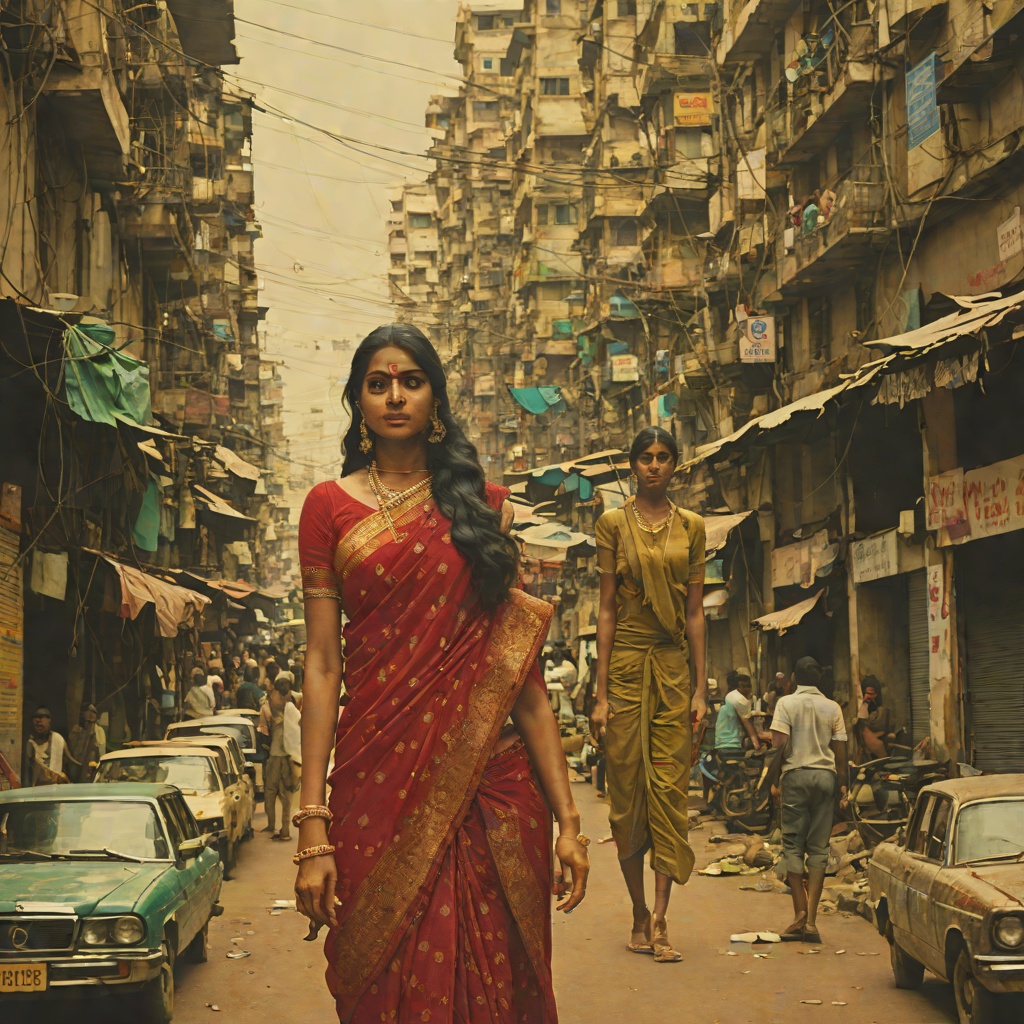
Mahalaxmi Papamani, who would become the wealthiest drug baroness in Mumbai, was born in 1960 to Periaswamy and Meenakshi, a labourer and construction worker from the Salem district of Tamil Nadu. Her family lived hand-to-mouth in a slum on Shivaji Road in Bangalore, where she spent most of her childhood alongside her three siblings, Naathan, Mohan and Yashoda. The family's poverty was so severe that none of the four children was able to receive an education. This early life of deprivation in Bangalore is the foundational contrast to her later wealth; the illiterate slum-dweller who would one day command crores of rupees first learned survival in the cramped, uneducated quarters of a Bangalore slum.
Investment and Return
Despite having made her fortune in Mumbai, Papamani retained a soft spot for Bangalore, the city of her childhood. Her first destination for investment was Bangalore, where she allegedly started a three-star hotel. This move into legitimate business was a significant departure from her drug-peddling operations in the Sion-Koliwada slum, representing a calculated attempt to convert illicit wealth into respectable assets. The choice of Bangalore over other cities suggests a sentimental attachment, but also a strategic one; the city offered a growing market for such ventures. In addition to the hotel, she also bought herself a house and four shops in Trichy, in the Salem district, which she gave on rent and employed someone to collect the rent from the tenants. These investments in Bangalore and Trichy demonstrate how Papamani, while continuing to live in her small shanty in Mumbai, was building a diversified portfolio of legitimate assets in the cities of her past.
Contrast with Mumbai's Underworld
The narrative's treatment of Bangalore is sharpened by its contrast with the densely described locales of Mumbai's underworld. While Bangalore is the site of Papamani's childhood and her legitimate investments, Mumbai is the site of her criminal empire. The Sion-Koliwada slum, which she transformed into a drug den, is described as a place where she kept liquid cash in several hutments and walked the narrow alleys with thirty to forty lakh rupees tucked inside her sari. This is a world away from the three-star hotel in Bangalore. The contrast is not merely geographic but economic: in Mumbai, her wealth was hidden and dangerous, while in Bangalore it was displayed and legitimised. This duality underscores the political economy of crime, where the profits of illicit activity in one city are used to purchase respectability in another.
Narrative Significance
Bangalore's role in the narrative is primarily functional, serving to complete the arc of Papamani's story from rags to riches. It is the place she left and the place she returned to, a symbol of both her origins and her aspirations. The city's presence in the book highlights the geographic mobility of the underworld's wealth and the way criminal economies are integrated into the formal economy of other cities. By tracing Papamani's journey from a Bangalore slum to a Mumbai drug empire and back to Bangalore as an investor, the narrative uses the city as a marker of social and economic transformation, illustrating how the boundaries between the criminal and the legitimate are often blurred by the flow of money.