Khadija Darwesh
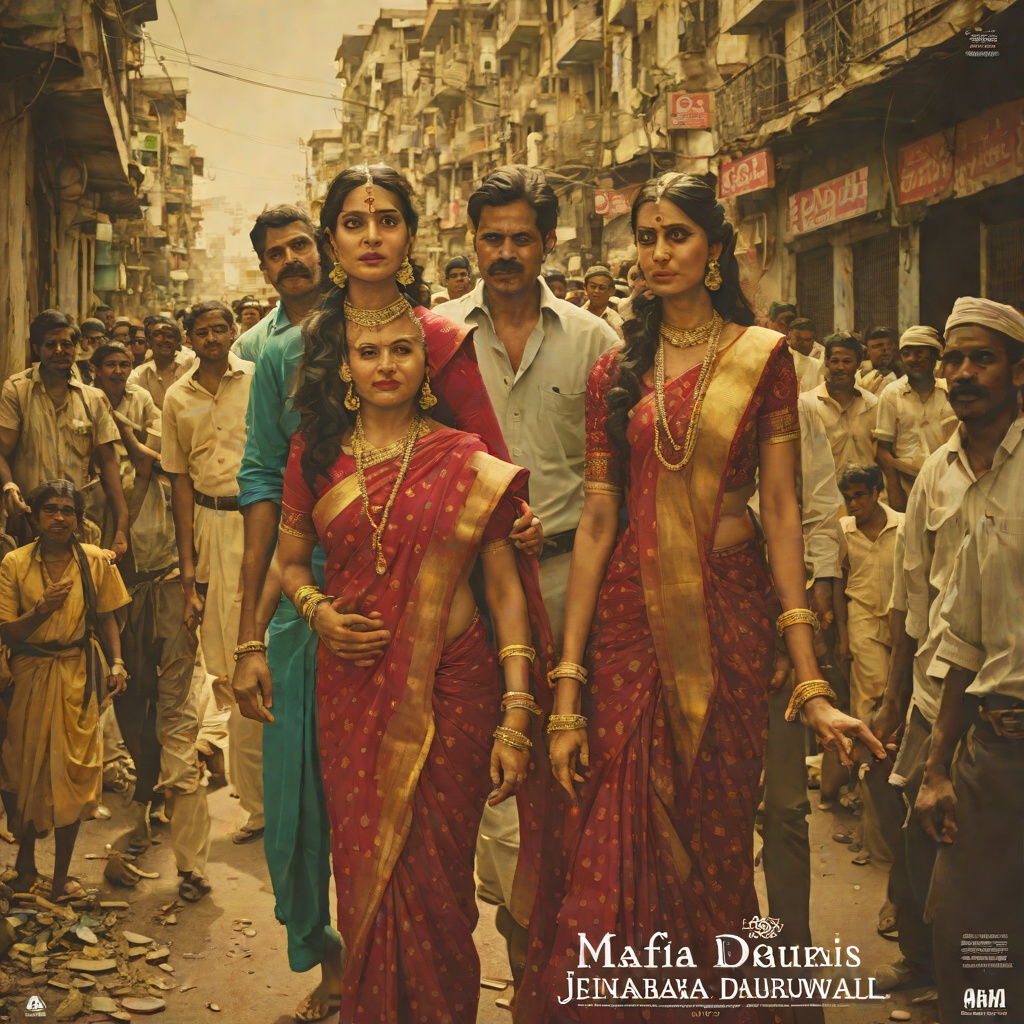
Mafia Queens of MumbaiKhadija Darwesh, also known as Khatum, is the eldest daughter of Jenabai Daaruwali, the legendary bootlegger and freedom fighter of Mumbai's Dongri neighbourhood. As the primary living witness to her mother's life, Khadija's testimony forms the backbone of the book's account of Jenabai, making her not merely a relative but a crucial narrative source. Her story is intertwined with her mother's, from the family home in the Chunawala building to the communal and political upheavals that defined their lives. She is the link between the reader and a woman who, as the book's introduction notes, was not a blank slate written upon by dangerous male mafia members, but an active agent in her own extraordinary life.
Identity and Family Background
Khadija was born into a household marked by political fervour and domestic strife. Her mother, Jenabai, was married at fourteen to Mohammad Shah Darwesh, a man with a small timber business, and moved with him to the Chunawala building in Dongri. Jenabai bore him five children: Khadija, Iqbal, Salim, Kamaal, and Shammi. Even as a young mother, Jenabai continued her participation in the freedom struggle, a commitment that led her husband to beat her for protecting Hindus during communal turmoil. This volatile family environment, set against the backdrop of the Indian independence movement, shaped Khadija's early life. The Partition of India in 1947 proved to be a decisive rupture. Darwesh decided to move to Pakistan, but Jenabai, who had spent her youth struggling for Independence, refused to leave Mumbai. Her husband moved to Pakistan alone, leaving Jenabai to fend for herself and her five children, including the young Khadija.
Life in the Chunawala Building
Decades later, Khadija's life remains anchored to the same Chunawala building in Dongri where she grew up. When the authors of Mafia Queens of Mumbai sought to learn about Jenabai, they managed to obtain the phone number of the eldest daughter, who is also known as Khatum. At seventy-four years old, Khadija was extremely cordial on the phone and made no attempt to hide her happiness when she heard that they were writing about her mother. She invited them to her maternal home, the very house where Jenabai breathed her last some fourteen years earlier. Khadija now lives there alone, having separated from her husband, who left her for another woman. This detail—the daughter living alone in the house where her mother died—creates a poignant continuity, with Khadija as the solitary custodian of her mother's memory and legacy.
Role as a Narrative Source
The book's acknowledgements explicitly credit Khadija as the main source for Jenabai's story. Her account, combined with an article from the renowned Urdu tabloid Akbhaar-e-Alam, provided the foundation for the narrative. The authors also relied on former chief reporter of The Urdu Times, Suhas Bhiwankar, veteran journalist Shakeel Rashid, police historian Deepak Rao, and Adil Bhesadia to align the sequence of events in Jenabai's life. Khadija's testimony was thus supplemented by journalistic and police sources, but her personal recollections gave the story its intimate, familial texture. Her willingness to speak, and her evident pride in her mother, stands in contrast to the often sensationalised portrayals of women criminals, offering a daughter's perspective on a woman who was both a freedom fighter and a bootlegger.
Thematic Significance
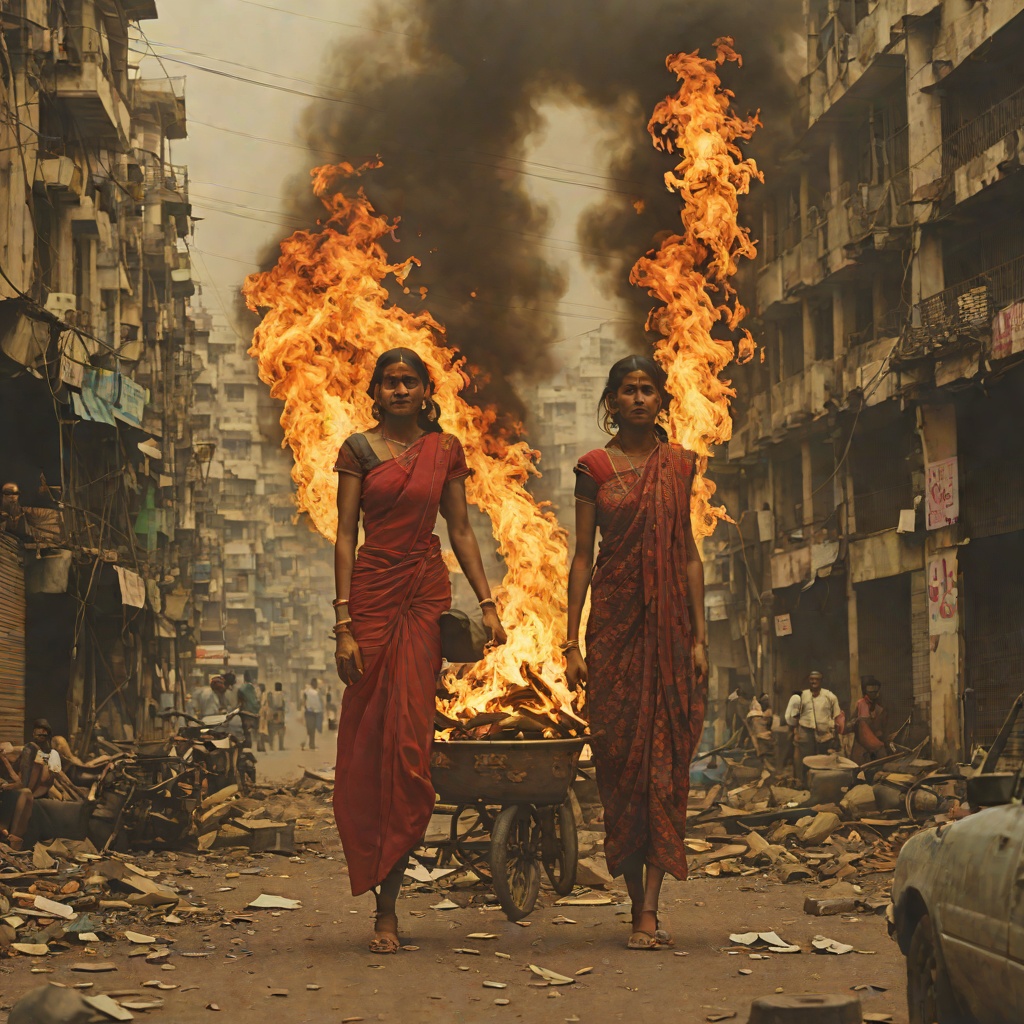
Khadija's presence in the book underscores the human cost and complexity of the lives it chronicles. Her mother's story is one of a woman who, as the book's introduction argues, used crime not only to transcend poverty but as a life-saving concept. Jenabai's later years saw her leading a peace march during the 1993 riots, walking through the torched lanes of Dongri in her white chikan nightgown with a rosary in one hand and a white flag in the other. Khadija's account of her mother's life, from the early days of sloganeering for independence to her final years, provides a counter-narrative to the official records of crime and punishment. By living alone in the Chunawala building, Khadija embodies the enduring legacy of a woman who refused to leave Mumbai, a decision that shaped not only her own life but the lives of her children. Her testimony ensures that Jenabai is remembered not just as a criminal, but as a mother, a fighter, and a complex woman who pushed the boundaries of dominant moral codes.