Killing of Hussain Ustara
Mafia Queens of MumbaiThe Killing of Hussain Ustara stands as one of the most decisive and ironic episodes in the Mumbai gang wars, a meticulously planned ambush that brought down a gunman whose reputation for sophistication and speed had made him seem untouchable. Mohammad Hussain Shaikh, known throughout the underworld as Ustara, was among the most accomplished shooters the city's mafia had ever produced, a man who moved always with a half-dozen excellent sharpshooters at his flank and who prided himself on an ability to draw and fire his favourite German Mauser in three seconds. Yet on the evening of 11 September 1998, that same man walked into a trap of his own making, undone not by a rival's superior firepower but by his own love for the company of beautiful women. The killing reshaped the balance of power between the factions of Dawood Ibrahim and Chhota Shakeel, and it carried a brutal lesson about the cost of recklessness in a world where every movement was watched.
The Gunman and His Vulnerability
Ustara had built his fearsome reputation on a combination of technical skill and constant protection. At all times flanked by half-a-dozen excellent sharpshooters, he was one of the most sophisticated gunmen in the Mumbai mafia, a professional who understood that survival depended on never being caught alone and never being caught off guard. His downfall, however, lay in a contradiction at the heart of his character: the same man who moved with such tactical discipline could not resist the company of beautiful women, and the mad surge of lust that these encounters provoked made him reckless and negligent. He liked to keep his flings discreet, and so he avoided taking his men on his visits to women, a decision that stripped away the very protection that had kept him alive. What he failed to take into account was that his rivals were not oblivious to his movements, nor to his decision to take them on. Chhota Shakeel had set a chain of spies on Ustara, and the plan was simple: to wait for an opportunity to strike when Ustara was off guard.
The Evening of the Ambush
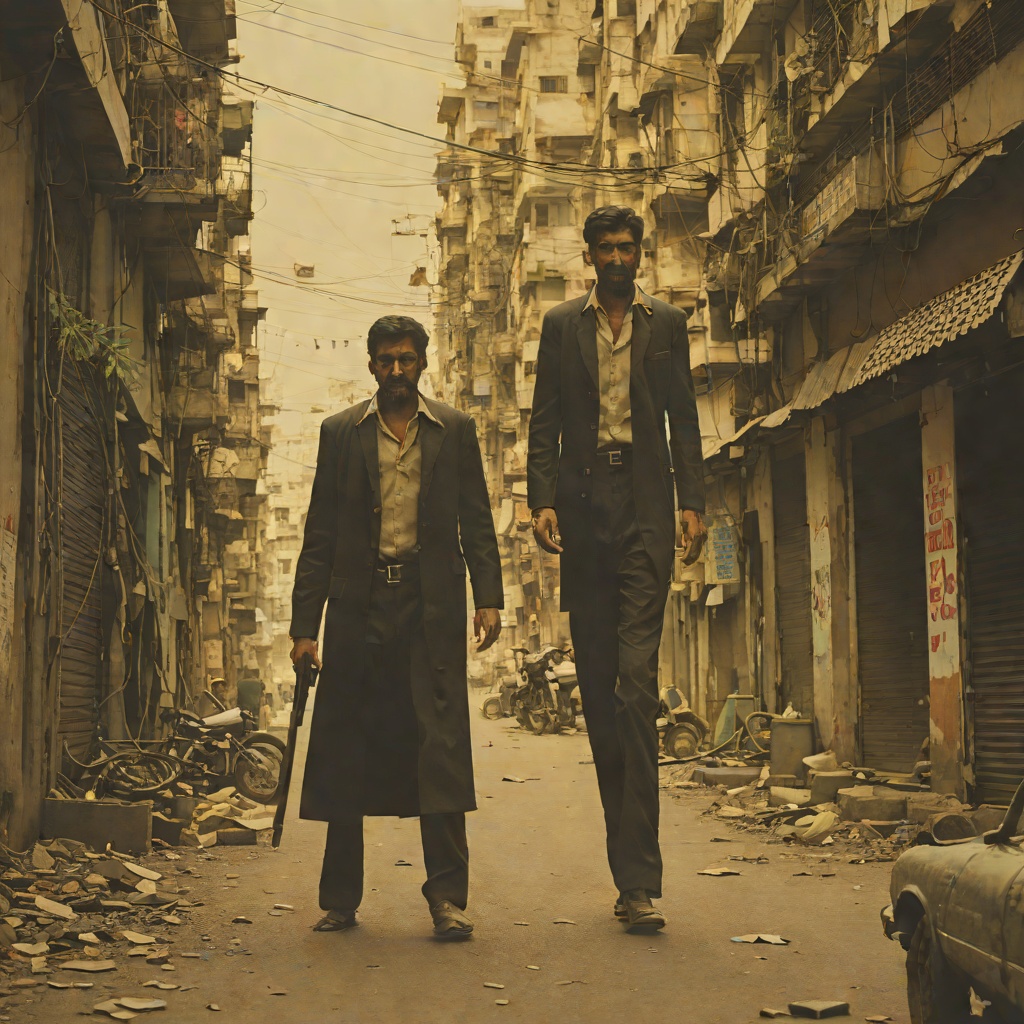
On the evening of 11 September 1998, Ustara made the fatal decision to go alone. He asked his men not to follow him, took his guns, and drove out in a grey DCM Daewoo Cielo from his den on Bapurao Pathe Marg. His destination was his girlfriend's house near Nagpada, and as he reached it, the message was relayed to Shakeel in Karachi, who immediately ordered his men to assemble and ambush Ustara. Within an hour, the killers had taken their positions. When Ustara exited the building, eyewitnesses later recounted, he did not look around but headed straight towards his car, a lapse in vigilance that the waiting men recognised as their moment. Eight men whipped out their guns and showered a volley of bullets on Ustara. It is not known how many rounds were fired, but over twenty rounds mowed Ustara down and the rest punched holes in his car. It was over in a matter of seconds. Ustara neither had time to see his assailants nor could he draw his own favourite German Mauser, the weapon he had been so proud of being able to cock and fire in three seconds. The irony was complete: the gunman's legendary speed meant nothing when he never saw the attack coming.
The Killers and Their Weapons
The cops later filed a report that eight men were seen firing bullets at Ustara. The attackers had arrived in a coordinated formation that reflected the planning behind the hit: four of them had come on two bikes, two had come on a scooter, and two in a Maruti van. In a rare occurrence in a gangland shootout, an AK-47 was used to kill Ustara, a weapon that signalled the seriousness of the operation and the resources Shakeel was willing to deploy. The men were armed to the teeth, indicating that even if Ustara had managed to put up a fight, he would have had no chance of surviving the attack. The sheer firepower, combined with the speed of the assault, left no room for the kind of counter-move that had made Ustara's reputation. He was rushed to J.J. Hospital, where he was declared dead on admission, the final confirmation that the sophisticated gunman's career had ended not in a duel of equals but in a one-sided execution.
The Unfulfilled Promise and the Gang War's Logic
The killing carried a bitter personal dimension that reached beyond the immediate tactical victory. Ustara could not fulfil his promise of avenging the brutal death of Ashraf, a woman whose murder had been one of the gang war's most savage episodes. That promise, carried in his heart as he had once declared while pointing at his chest, died with him on the pavement near Nagpada. The ambush also demonstrated the cold strategic logic that governed the conflict between the factions. Shakeel, operating from Karachi, had used patience and intelligence rather than direct confrontation, letting Ustara's own habits deliver him into the trap. The killing showed that in the Mumbai underworld, personal weakness was a vulnerability that rivals would exploit without mercy, and that no amount of skill with a gun could compensate for a lapse in vigilance. The event also underscored the transnational nature of the gang war, with orders relayed from Karachi to Mumbai within the hour, and the willingness of the killers to use military-grade weaponry in a civilian neighbourhood.
Aftermath and Significance
The death of Ustara removed one of the most capable operatives from the conflict and sent a message throughout the underworld about the consequences of defying Shakeel. The use of an AK-47, a weapon rarely seen in gangland shootouts, marked the escalation of the violence and the increasing firepower available to the gangs. For the women whose stories run through the larger narrative of the Mumbai mafia, the killing was another reminder of the precariousness of life in a world where even the most protected figures could be cut down in seconds. The event also illustrated the recurring pattern in which personal relationships became the undoing of powerful men, a theme that echoed through the fates of other figures in the city's criminal history. Ustara's death, coming as it did after his failure to avenge Ashraf, closed a chapter in the gang war while opening another, as Shakeel's ascendancy continued and the balance of power shifted decisively in his favour.