Mahalaxmi Papamani
Mafia Queens of MumbaiMahalaxmi Papamani stands as one of the most paradoxical figures in the annals of Mumbai's underworld: an illiterate, rag-picking slum-dweller who became the wealthiest drug baroness in the city, a criminal so embedded in her community that she was simultaneously its banker, its employer, and its goddess. Her trajectory from the daughter of a construction worker to a feared and revered matriarch, known to locals as 'Amma', charts the brutal economics of survival in Mumbai's margins, where the heroin trade offered a path to wealth that the formal economy denied her. Her eventual downfall, however, reveals the precariousness of an empire built on illicit cash and the relentless reach of the state's anti-narcotics machinery.
Origins and the Rise of a Tamilian Community
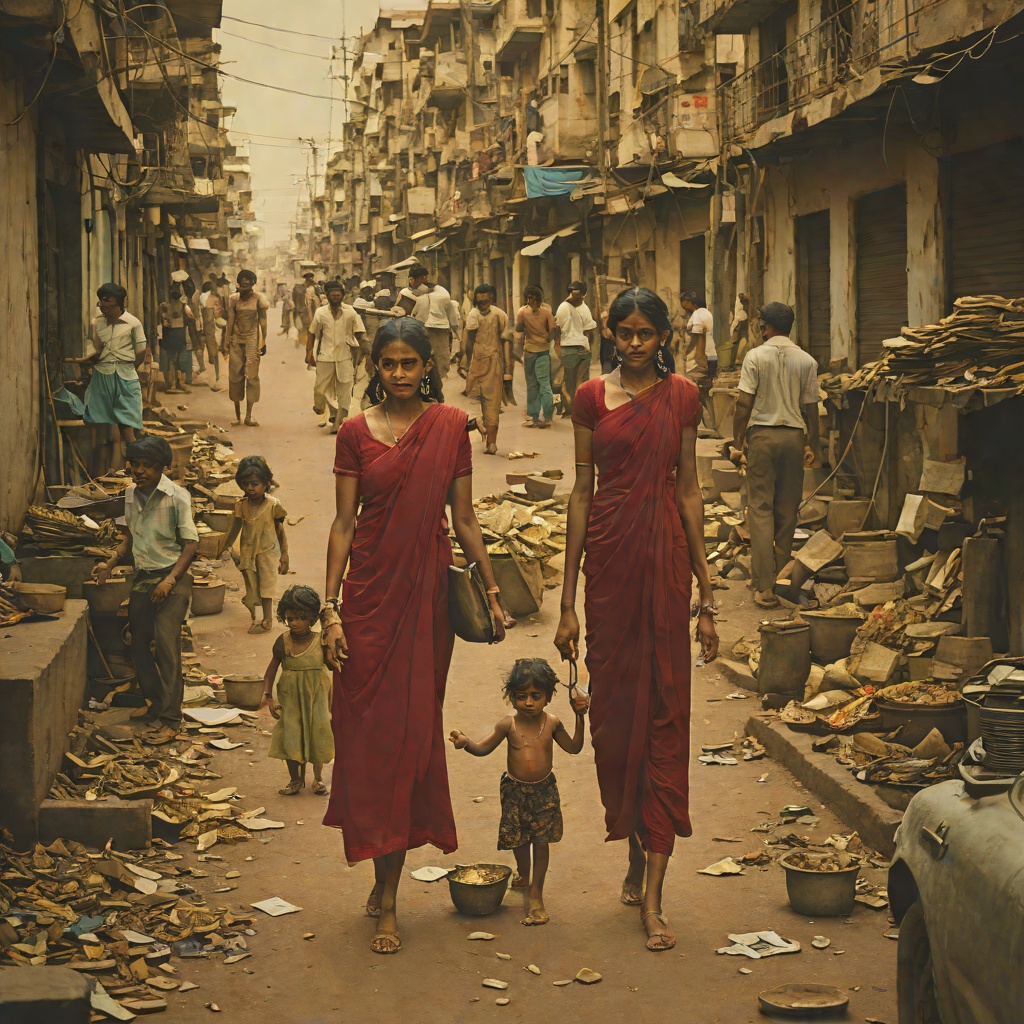
Papamani's beginnings were as humble as any in the book's gallery of underworld figures. Born in 1960 to Periaswamy and Meenakshi, she spent her childhood in a slum on Shivaji Road in Bangalore, one of four siblings—Naathan, Mohan, and Yashoda—in a family that lived hand-to-mouth, with none of the children receiving an education. Her relocation to Mumbai in 1980 was not a random migration but part of a larger scheme orchestrated by the Tamilian don Vardharajan Mudaliar, known as Vardha bhai, who sought to build a mini-Tamil Nadu in the city. Vardharajan owned an illicit hooch liquor distillery, or khaadi, at Sion-Koliwada in central Mumbai, and he brought hordes of men from the poverty-stricken Salem district to work there, while the women were employed in the red-light areas. Over the years, these migrants settled in makeshift homes, and the Sion-Koliwada slum came into being. Papamani became one of Vardha's most favoured companions, and her proximity to the don earned her respect from the men and women of the area.
The Fall and the Forging of a Drug Empire
Papamani's fortunes plummeted with the lifting of prohibition in the 1980s, which destroyed the economic foundation of Vardharajan's illicit distillery and led to his decline. The same people who had once looked at her with awe now turned their backs on her, leaving her with no one to consider as family. Forced to fend for herself, she started as a rag-picker and then worked as a domestic help in the Antop Hill neighbourhood, until she met Mani Chinapayya Devendra, a man who allegedly peddled drugs before becoming a helper in an edible oil company in Sewree. It was during these troubled times that her neighbour and friend, Savitri, a prominent drug peddler in the Sion-Koliwada slum, approached her. Savitri sold pudis, or packets, of heroin, and lured both Papamani and Jyoti Adiramalingam from Reay Road into her operation. Under Savitri's tutelage, Papamani and Jyoti were tasked with dividing large quantities of heroin into smaller pudis for distribution. The troika of Savitri, Papamani, and Jyoti soon controlled the pudi-selling business in Sion-Koliwada, but with profits running into lakhs, it was inevitable that Papamani's shrewd business acumen would outsmart her own mentor.
The Economics of the Heroin Trade
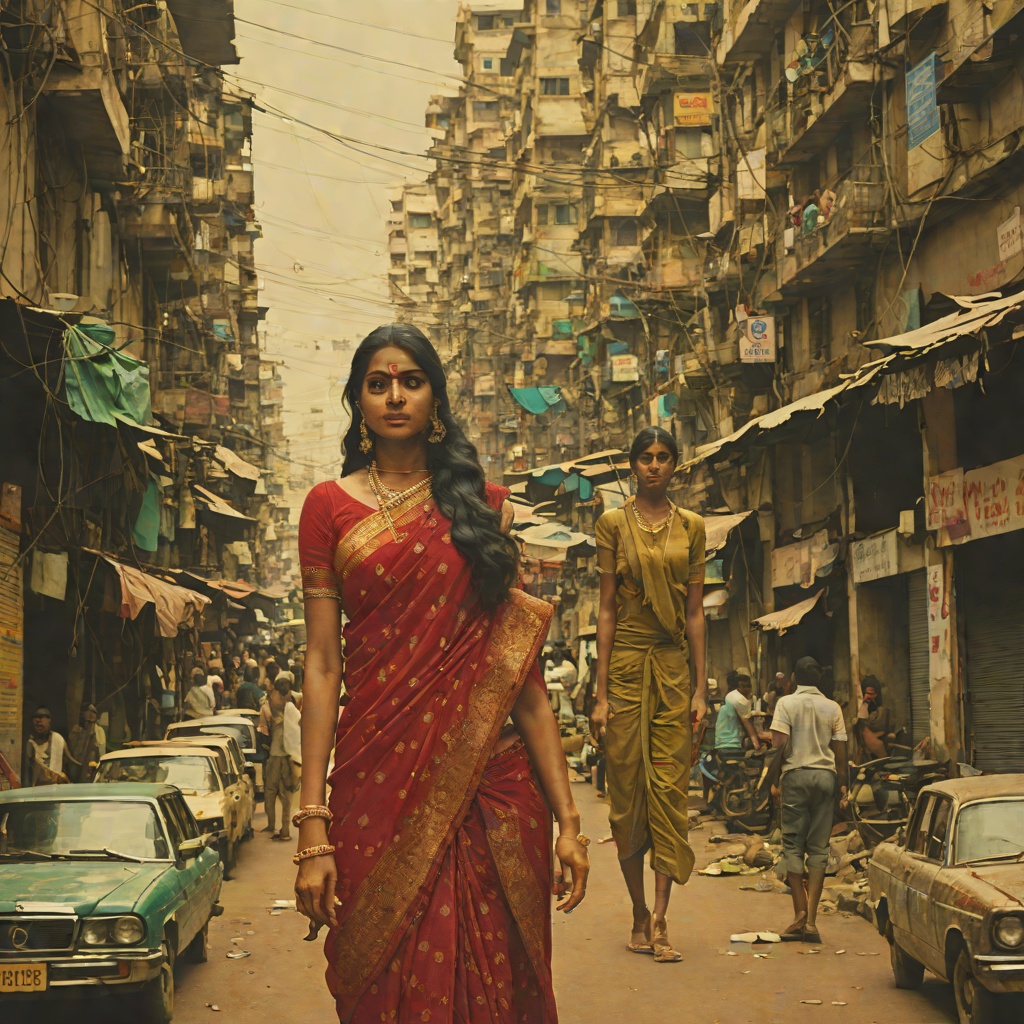
In 1991, Papamani split from Savitri and began running the business independently with a loyal group of peddlers. Her business strategy was brutally simple and devastatingly effective. She would buy five kilogrammes of heroin for between one and three lakh rupees, convert ten grams into forty pudis, and sell each pudi at twenty-five rupees, generating a profit of around three lakh rupees per month—roughly the salary of a CEO of a company in Mumbai. She would also peddle large quantities of heroin for regular customers. The police tried to arrest her on several occasions, but she always escaped conviction for want of evidence. In the months that followed, her coterie of workers tripled, and this illiterate slum-dweller launched a full-fledged empire with her own financial managers, peddlers, and advisors, literally converting the Sion-Koliwada slum into a drug den. She engaged several hundreds of unemployed men and women in the business, providing a source of income to many deprived families, and made so much money that she was forced to stock liquid cash in several hutments across the slum. With crores of rupees at her disposal, she became known as the poor man's bank, loaning people money to run their households. It is said that she kept thirty to forty lakh rupees in cash tucked inside her sari, fearlessly walking the narrow alleys of her slum area, distributing money to poor Tamilians in return for their services.
The Goddess of Wealth and Her Community's Shield
Papamani's charity work did not deter her from multiplying her own finances. Even while she continued to live in her small shanty, she invested in lucrative businesses, starting with a three-star hotel in Bangalore, the city of her childhood, and buying a house and four shops in Trichy, in the Salem district, which she gave on rent. Because of her role in transforming the poverty-stricken Sion-Koliwada slum into a place of wealth, the locals christened her Mahalaxmi, after the Hindu goddess of wealth, and she became Mahalaxmi Papamani Chinapayya Devendra. Her popularity and support within the slum were apparent in the way the slum-dwellers took personal interest in shielding her. The Sion-Koliwada slum, built on the slope of a hill with shanties attached to each other and narrow, maze-like paths, was a natural fortress. The slum-dwellers created several escape routes, hideouts, and underground passageways within the connected hutments, leading outside the slum. Every time the police came to arrest her, people in the slum would be warned, and she would be sent out through one of these routes.
Arrest, Legal Battle, and the Limits of Power
In 1993, the Mumbai police's Anti-Narcotics Cell arrested her once again, confident about throwing her in jail for a very long time. Knowing she was in trouble, Papamani roped in the narco-specialist lawyer Ayaz Khan, trusting that if any lawyer could get her out of prison, it was he. Her faith was not misplaced: Ayaz successfully spotted loopholes in the ANC's case, and Papamani was released on bail. This episode, however, marked the beginning of the end of her unassailable reign. The state's determination to convict her, embodied in the stringent MCOCA law promulgated by the Maharashtra government in 1998 after the abrogation of TADA, would eventually prove more powerful than the community's protection and the cleverness of her lawyers. Her story, like that of other women in the book, demonstrates how the underworld offered a path to power and wealth for those with no other options, but also how that power was ultimately contingent on the tolerance of the state and the shifting fortunes of the criminal economy.