Murder of Manish Shah
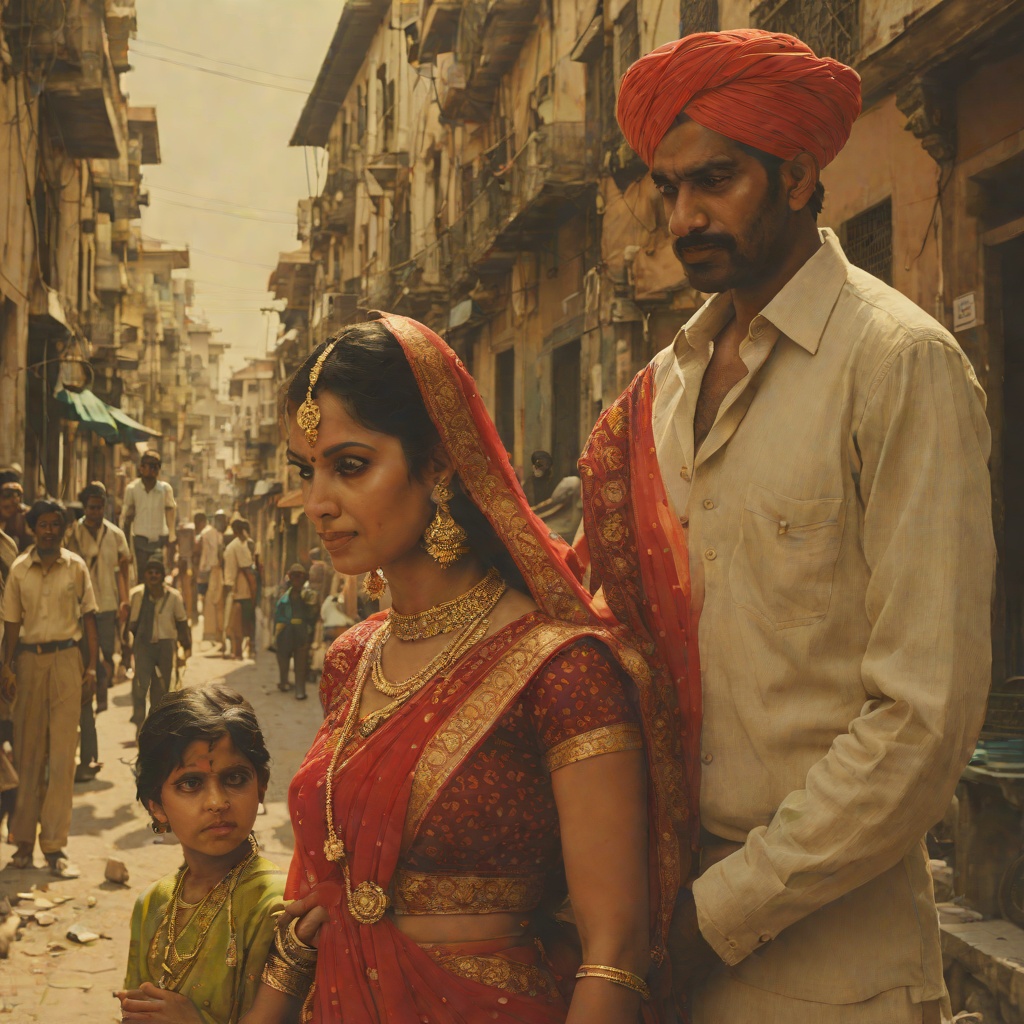
Mafia Queens of MumbaiThe Murder of Manish Shah stands as a defining episode in the annals of the Mumbai underworld, a killing that blurred the line between the gang's criminal operations and the domestic sphere of its leader. Occurring on 2 February 1998, the assassination of Shah, a business partner of industrialist Vallabh Thakkar, was not merely another gangland slaying. It became the pivotal event that exposed the hidden but essential role of Asha Gawli, the wife of the Dagdi Chawl don Arun Gawli, revealing her as a trusted lieutenant who relayed orders and managed affairs while her husband was incarcerated. The murder's significance lies in how it laid bare the operational structure of the Gawli gang, where the command originated from a prison cell and was executed through a chain of command that included the don's own wife, a revelation that would have lasting consequences for the couple's political ambitions and their standing with the law.
The Victim and the Circumstances of the Killing
Manish Shah was a partner of the industrialist Vallabh Thakkar, a connection that placed him within the wealthy and influential circles of Mumbai's business elite. His murder on 2 February 1998 occurred near his residence at Sagar Mahal, a location in the upscale Malabar Hill area, a setting far removed from the slums and chawls that typically formed the backdrop of gang violence. The choice of such a prominent location and a victim with business ties underscored the reach of the Dagdi Chawl gang under Arun Gawli's leadership. Police investigations into the killing revealed that Shah had been shot by four of Arun's henchmen, acting on the don's direct command. At the time of the murder, Arun Gawli was not a free man; he was detained at the Amravati Central Prison, held under the Maharashtra Prevention of Dangerous Activities Act, a fact that would prove central to the case's development.
The Chit That Exposed the Conspiracy
The investigation took a decisive turn when police stumbled upon tiny slips of paper during a raid of Arun's home in Dagdi Chawl. Among these slips was a note that directly connected the don to the murder and implicated his wife in the chain of command. The note, written in Marathi, read, 'Asha, Rajala saangun Bandyakadun Manish Shahache kam laukar karun ghe,' which translates to a direct instruction: 'Asha, tell Raja to get Bandya to deal with the Manish Shah matter immediately.' This chit was a smoking gun, providing a written record of the don's intent and his reliance on his wife to transmit orders to his operatives. Under interrogation, Arun Gawli confessed to sending the chit addressed to his wife while he was in prison in January 1998, a confession that confirmed the note's authenticity and its role in orchestrating the murder. The discovery of the chit transformed the investigation from a straightforward gang killing into a case that exposed the domestic front of the gang's operations.
Asha Gawli's Arrest and the Exposure of Her Role
The chit's discovery led directly to Asha Gawli's arrest in 1998 for her involvement in the Manish Shah murder case. This arrest was a significant development, as it publicly confirmed what police had long suspected: that Asha was not merely the don's wife but an active participant in his criminal enterprise. The exposure was amplified by a series of stories and reports carried by Express Newsline that detailed Asha's covert involvement in her husband's mafia activities. Despite the weight of the evidence, including the chit and Arun's confession, Asha was later released on bail for lack of evidence. However, the damage was done; the police now started keeping close watch on her, and her role as the gang's operational manager had been publicly revealed. The murder of Manish Shah, therefore, served as the catalyst that forced Asha out of the shadows and into the scrutiny of law enforcement and the media.
The Murder's Place in the Gawli Gang's Operations
The killing of Manish Shah must be understood within the broader context of how the Gawli gang functioned, a system in which Asha's role was indispensable. With Arun being a frequent guest in jails across the city, Asha had no option but to take the reins and run the show by proxy, a task she performed with remarkable effectiveness. Her involvement had become so vital to the gang that Arun began treating her as his most trusted lieutenant, a status reflected in her nickname 'Mummy,' derived from the gang members' address of Arun as 'Daddy.' The murder of Manish Shah was a direct product of this arrangement, with the don issuing orders from prison and his wife ensuring they were carried out. This division of labor, where the husband commanded and the wife executed, was the engine of the Gawli gang's resilience, allowing it to function and thrive even when its leader was behind bars.
Consequences and the Path to Political Power
Despite the murder and the subsequent exposure of her role, Asha Gawli's trajectory was not derailed; rather, the event underscored her centrality to her husband's ambitions. The murder and its aftermath did not diminish her resolve or her value to Arun. In the years that followed, Asha's management and supervision of Arun's political party bore fruit. In 2002, the Akhil Bharatiya Sena, the party Arun had started in 1997 with Asha's encouragement, contested the Brihanmumbai Municipal Corporation elections and succeeded in electing two corporators, including Arun's eldest daughter Geeta Gawli. In 2004, Arun was elected the MLA from the Byculla constituency, a victory that was largely attributed to Asha's tireless campaigning and her management of the party's affairs. The murder of Manish Shah, which had exposed her criminal involvement, did not prevent her from becoming a political power broker. Instead, it highlighted the paradox of her position: a woman who could orchestrate a murder through a chit and yet campaign effectively for her husband's political future, a duality that defined her life and her legacy in the Mumbai underworld.