Pathan gang
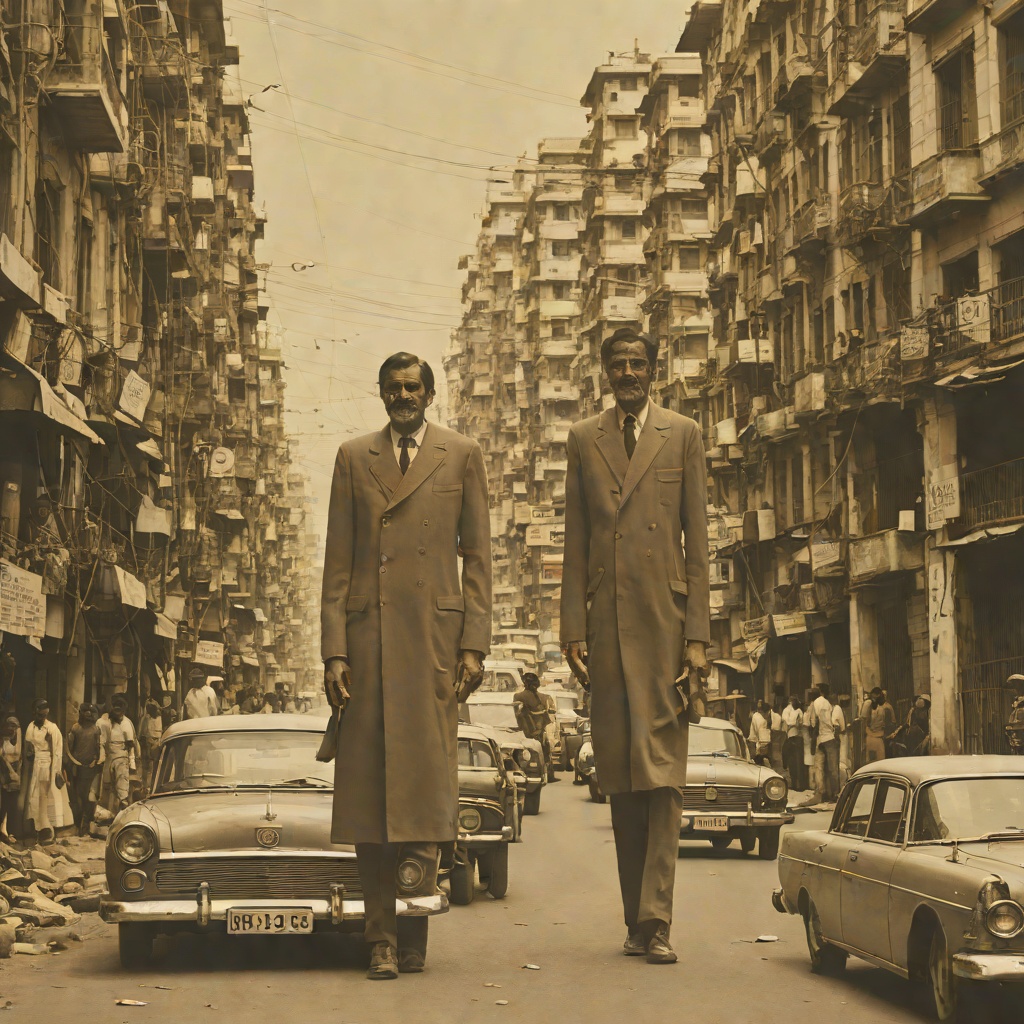
Mafia Queens of MumbaiThe Pathan gang, also known as the Karim Lala gang, was one of the most formidable criminal organizations in Mumbai's underworld, founded and led by Abdul Karim Khan, known as Karim Lala. Originating from the Pathan community and operating through the Pakhtoon Jirgai Hind, the gang was a major power player alongside the gangs of Haji Mastan and Vardharajan Mudaliar, and later became a central party in the city's violent gang wars, particularly against the rising Ibrahim brothers, Dawood and Sabir. Its influence was such that its leader's name became synonymous with the gang itself, and its actions and alliances shaped the course of Mumbai's criminal history for decades.
Identity and Origins
The Pathan gang was the criminal organization headed by Abdul Karim Khan, better known as Karim Lala. In its early days, Karim Lala was still a small-time gangster, but he was already known for being respectful towards women. He headed a Pathan organization called the Pakhtoon Jirgai Hind, which served as the foundation for his criminal enterprise. The gang's identity was deeply rooted in the Pathan community, and its members were often referred to collectively by their ethnic affiliation. Along with Haji Mastan and Vardharajan Mudaliar, Karim Lala went on to form one of the most formidable gangs in Mumbai, a triumvirate that dominated the city's underworld for years.
Rise to Power and Rivalries
The Pathan gang's power was built on the immense wealth accumulated through smuggling and other illicit activities. Karim Lala's villa, his Mercedes, and his tremendous influence were all off-shoots of the enormous wealth he had hoarded illegally over the years. By the time of the gang wars, the Pathan gangsters—including Amirzada, Alamzeb, Shehzada, and Samad Khan—were one of the two major warring factions in Mumbai. Their primary rivals were the then-underdogs, the Ibrahim brothers Dawood and Sabir. The two groups were constantly involved in gun battles, and the incessant bloodshed caused by this gang war had become a great cause of concern for the stalwarts of Mumbai's underworld, including Haji Mastan himself. The conflict was so intense that even bringing the two gangs together into one room seemed an unlikely scenario to Mastan.
The Peace Meeting and Jenabai's Influence
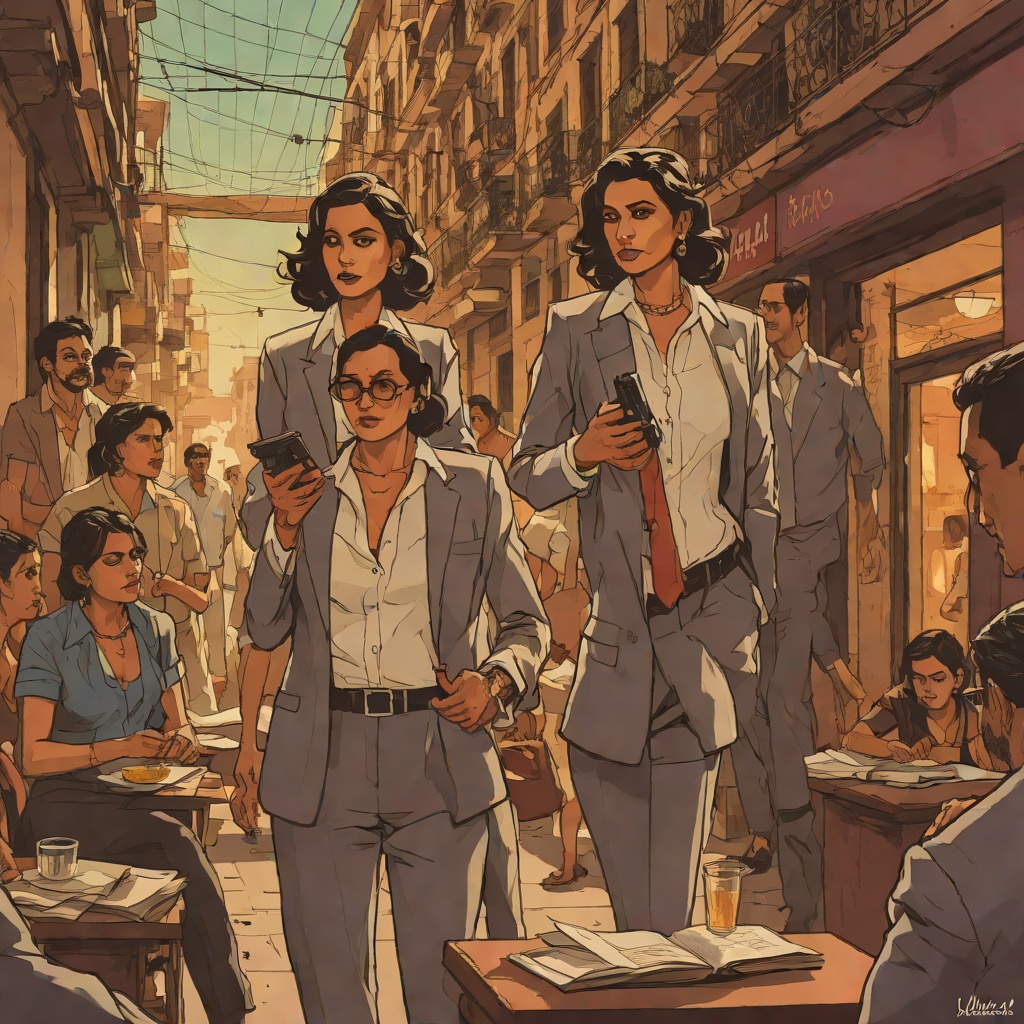
The rivalry between the Pathan gang and the Ibrahim brothers reached a critical point that required intervention from the highest levels of the underworld. Jenabai Daaruwali, a powerful figure in her own right, proposed a solution to Haji Mastan: bring the two warring gangs together as one force. Mastan was astonished by the proposal, as it meant calling a truce, which in the present scenario seemed impossible. Despite his doubts, a meeting was arranged. As part of a mutual understanding, everyone was requested not to carry any sort of weapon to prevent the chance of bloodshed. The visitors started pouring in by late evening, and Jenabai was particularly concerned about Dawood and Sabir. To suppress the duo's volatility, she had specifically asked Mastan to call her close friend and their father, Ibrahim Kaskar, for the meeting. Finally, they were all there: the Pathan chief Karim Lala and his gang, Dawood, Sabir and their father, Majid Kalia, Hussain Somji, Dilip Aziz, and Hanif—all sitting in cold silence. The fact that Jenabai was the only woman there, sitting amongst them and chatting comfortably with the men, said much about her influence and the respect that she was accorded in the underworld at the time. When the meeting was set to begin, Jenabai went and sat beside Dawood, holding his clenched fist, in some way trying to convey to him the importance of maintaining his cool throughout.
Decline and Legacy
The Pathan gang's dominance did not last forever. By the time of the 1992–93 Bombay riots, the top mafia bosses were old and ailing. Karim Lala and Haji Mastan were living a retired existence, while Vardharajan Mudaliar had long since died after retreating to Chennai in 1988. The reigning ganglord Dawood Ibrahim had also relocated to Dubai. The gang's power centers were fading fast, leaving figures like Jenabai with nothing as far as wielding power was concerned. Despite its decline, the Pathan gang's legacy endured. Its name remained a byword for organized crime in Mumbai, and its members, like Shaukat Khan, who was associated with the Karim Lala gang, continued to be a presence in the city's criminal landscape. The gang's history is a testament to the shifting alliances and brutal conflicts that defined Mumbai's underworld, and its story is inextricably linked to the rise of the D-Company and the subsequent gang wars that would reshape the city's criminal hierarchy.