Rakhi sister
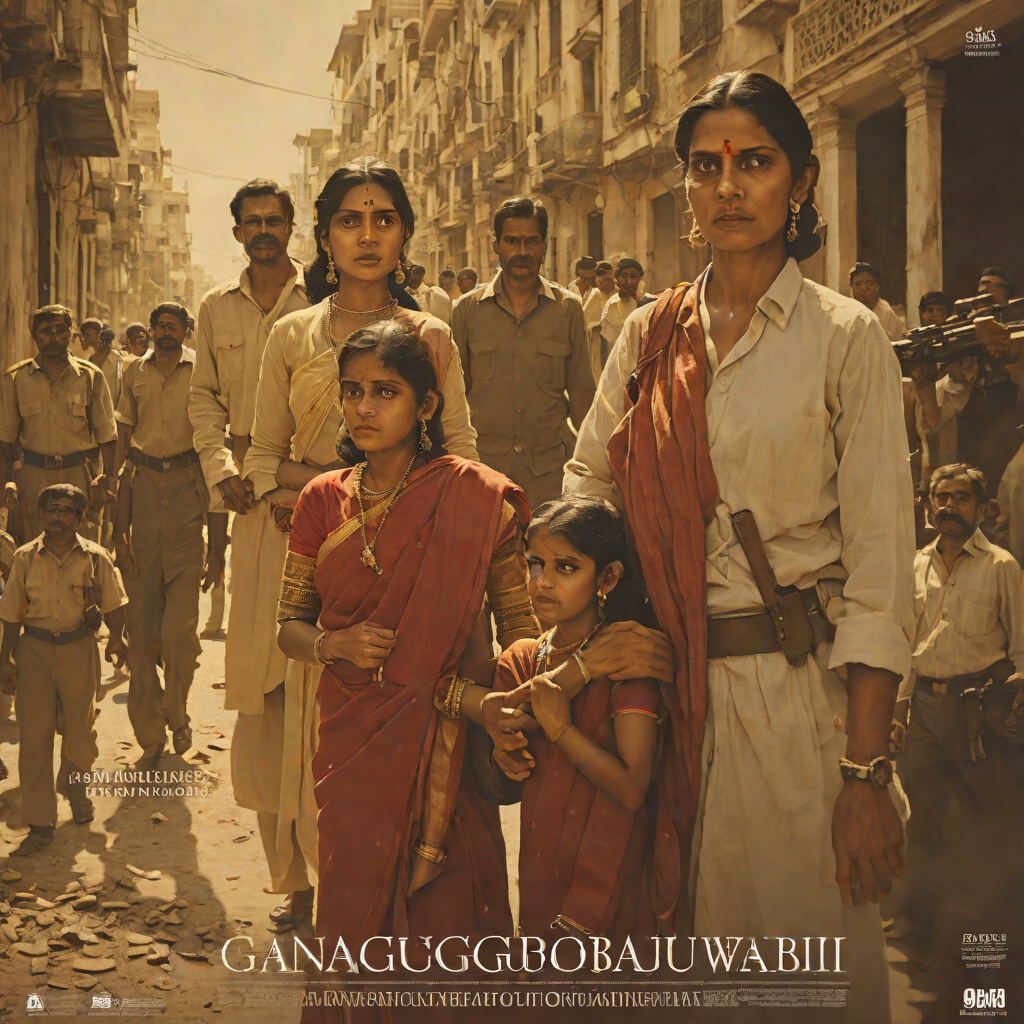
Mafia Queens of MumbaiIn the world of the Mumbai underworld chronicled in this book, the rakhi is far more than a festive thread. It is a strategic instrument of alliance, protection, and social mobility, wielded by women who operated at the margins of a violent, male-dominated criminal economy. The ritual of Raksha Bandhan, in which a sister ties a sacred thread on her brother's wrist to claim his protection, is repurposed here as a calculated act of self-preservation and empowerment. For women like Gangubai Kathiawadi and Jenabai Daaruwali, the rakhi became a bridge to the most feared gangsters in the city, transforming a personal bond into a public declaration of immunity and status.
The Rakhi as a Bond of Protection
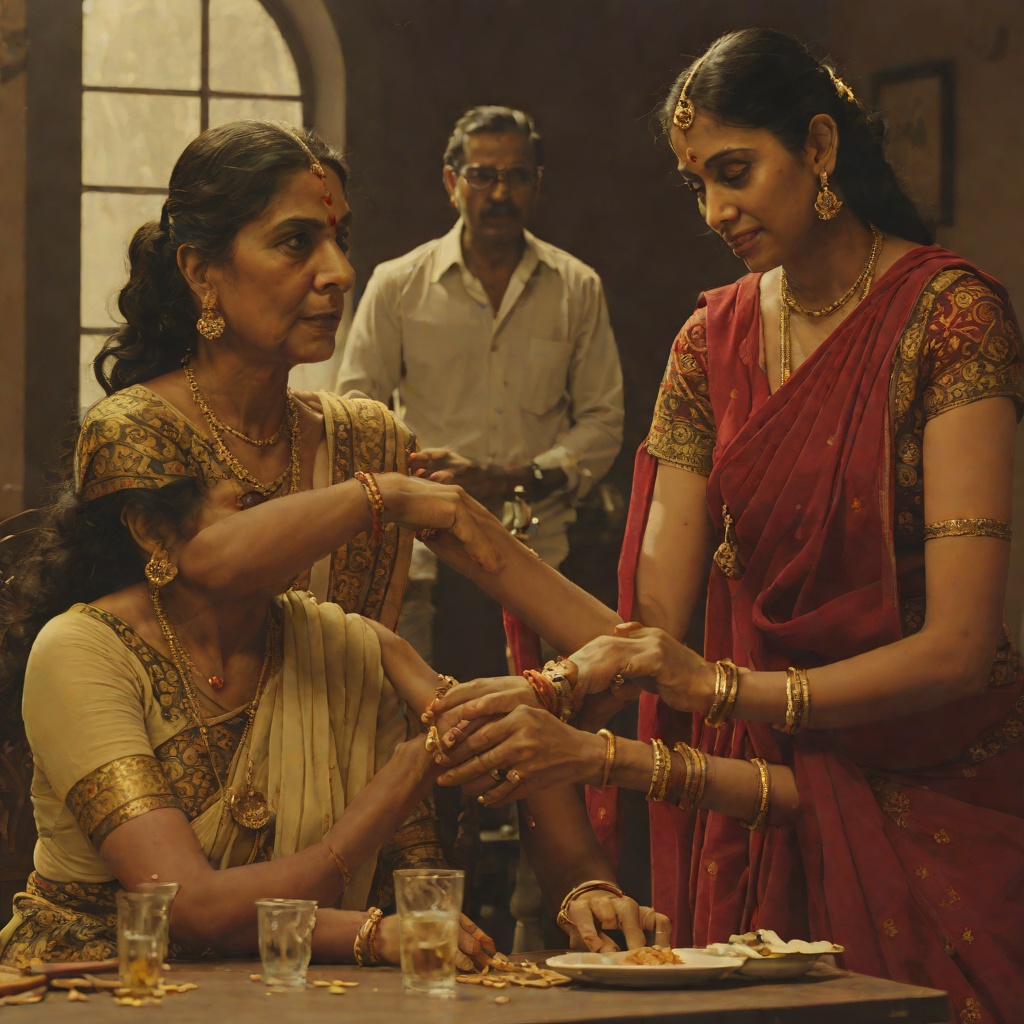
The most dramatic deployment of the rakhi occurs in the story of Gangubai Kathiawadi, a brothel madam in Kamathipura. After being brutally assaulted by Shaukat Khan, a Pathan gangster, Gangubai sought an audience with Karim Lala, the feared Pathan ganglord. In a bold and unprecedented move, she offered herself as his concubine for life if he would punish his own man. Karim Lala, a self-proclaimed family man, refused the offer but agreed to discipline Shaukat Khan. Gangubai then produced a small thread from her purse and asked to tie a rakhi on his wrist, declaring that she had not felt safe with any man since being brought to Kamathipura, and that his offer of protection had reinstilled her faith in brotherhood. Karim Lala, amazed at her audacity, allowed her to tie the thread and gave his word: "From now on you are my sister." He then fed her a sweet from a plate, sealing the bond.
This ritual had immediate and violent consequences. When Shaukat Khan next came to the brothel, Karim Lala and two other Pathans confronted him with hockey sticks. Lala dragged him out and beat him mercilessly, breaking enough bones to render him an invalid for weeks. As Khan pleaded in Pashtoon, accusing Lala of betraying his own race for a whore, Lala kicked him in the stomach and knocked him on the head, thundering, "Don't you dare call yourself a Pathan!" He then announced loudly to everyone in Kamathipura: "Gangu is my rakhi sister. The next time anyone treats her badly, I will kill them." The public nature of this punishment and declaration was crucial; it was not merely a private arrangement but a broadcast warning that transformed Gangubai's standing overnight.
The Transformation of Status and Power
The rakhi bond with Karim Lala fundamentally altered Gangubai's position in Kamathipura. People began treating her differently, and her connection with the most feared gangster in south Mumbai placed her on an entirely new pedestal. Nobody, not even Sheela, the madam who had brought her into the trade, dared to take advantage of her. Under the tutelage of her rakhi brother, Gangubai developed strong ties with the Nagpada police and the underworld, opening up an entirely new world to her. When Sheela passed away, Gangubai was coaxed to stand in the customary local gharwali elections, and she won, becoming a brothel madam at a very young age. The rakhi, therefore, was not just a symbolic gesture; it was the catalyst that enabled her transition from a vulnerable sex worker to a powerful madam with political and criminal connections.
The Rakhi as a Political and Social Currency
The rakhi also functioned as a form of political currency, connecting women to the highest echelons of power. The book recounts how Jenabai Daaruwali, a bootlegger and queen of the Mumbai underworld, was described as a sister to Haji Mastan, one of the city's most formidable gangsters. More strikingly, she was said to have tied a rakhi to former prime minister Morarji Desai, and was respected by Yashwantrao Chavan, the chief minister of Maharashtra. This act of tying a rakhi to a political leader was a public performance of kinship that granted the woman a degree of legitimacy and access that transcended her criminal status. It was a way of claiming protection from the state itself, using a traditional ritual to forge a bond with the ultimate authority. This pattern is echoed in Gangubai's own political ascent, where her connections won her an appointment with Prime Minister Jawaharlal Nehru, making her the only local brothel madam to secure a meeting with the head of the country.
The Rakhi as a Gendered Strategy in a Male-Dominated World
The rakhi sister institution reveals a distinct gendered strategy within the underworld. In a world where women were often relegated to the sidelines as wives and homemakers, the rakhi allowed them to claim a form of kinship that was both intimate and public. It was a way to navigate the dangers of the criminal world without directly challenging its patriarchal structures. By becoming a "sister" to a powerful don, a woman could secure protection, resources, and influence, all while performing a role that was culturally sanctioned. This is in stark contrast to the wives of gangsters, who, as the book notes, were often forced to expand their management skills from their homes to an entire gang, shedding their timid selves to become conniving and ambitious. The rakhi sister, however, operated through a different logic, leveraging a bond of ritual kinship rather than marital duty. It was a performative act that allowed women like Gangubai to claim a place of power and safety, and it stands as a testament to the complex and often contradictory ways in which women navigated the brutal world of the Mumbai mafia.