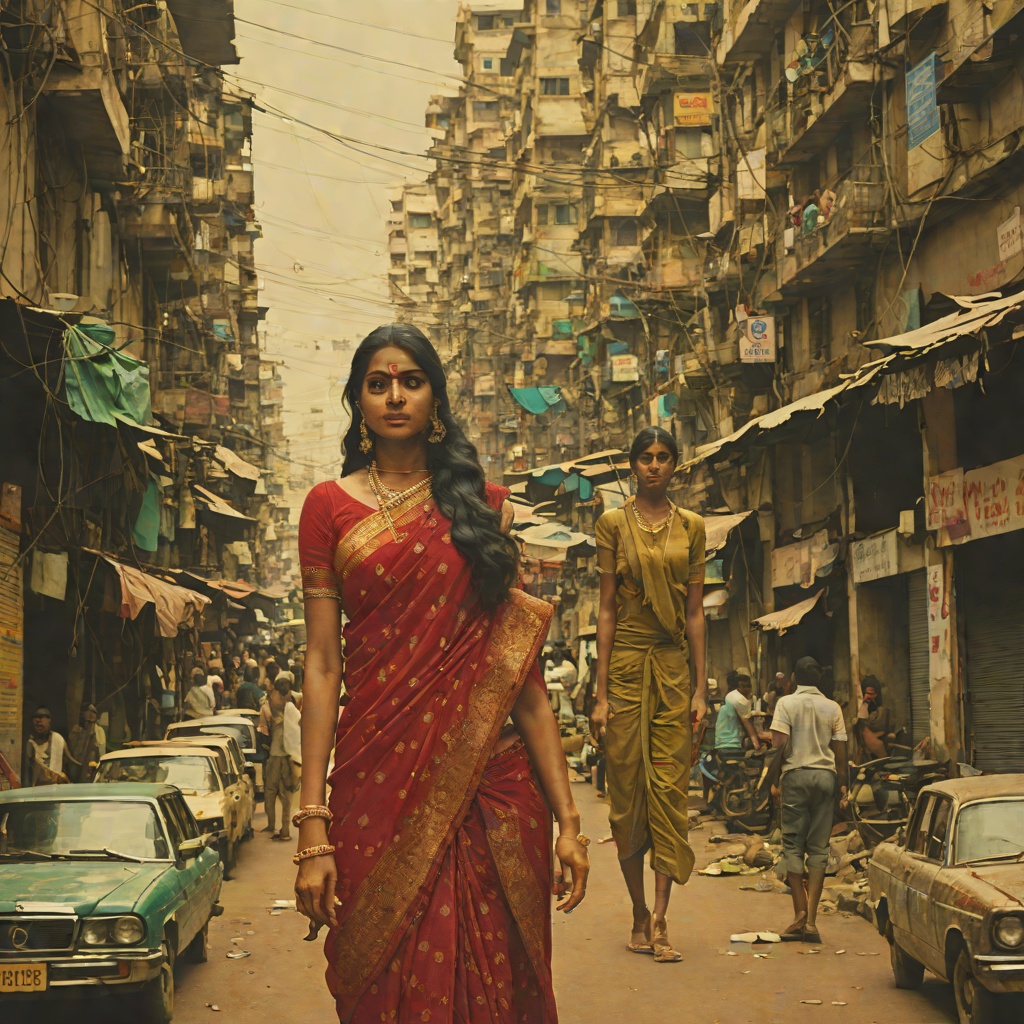
Sion-Koliwada slum
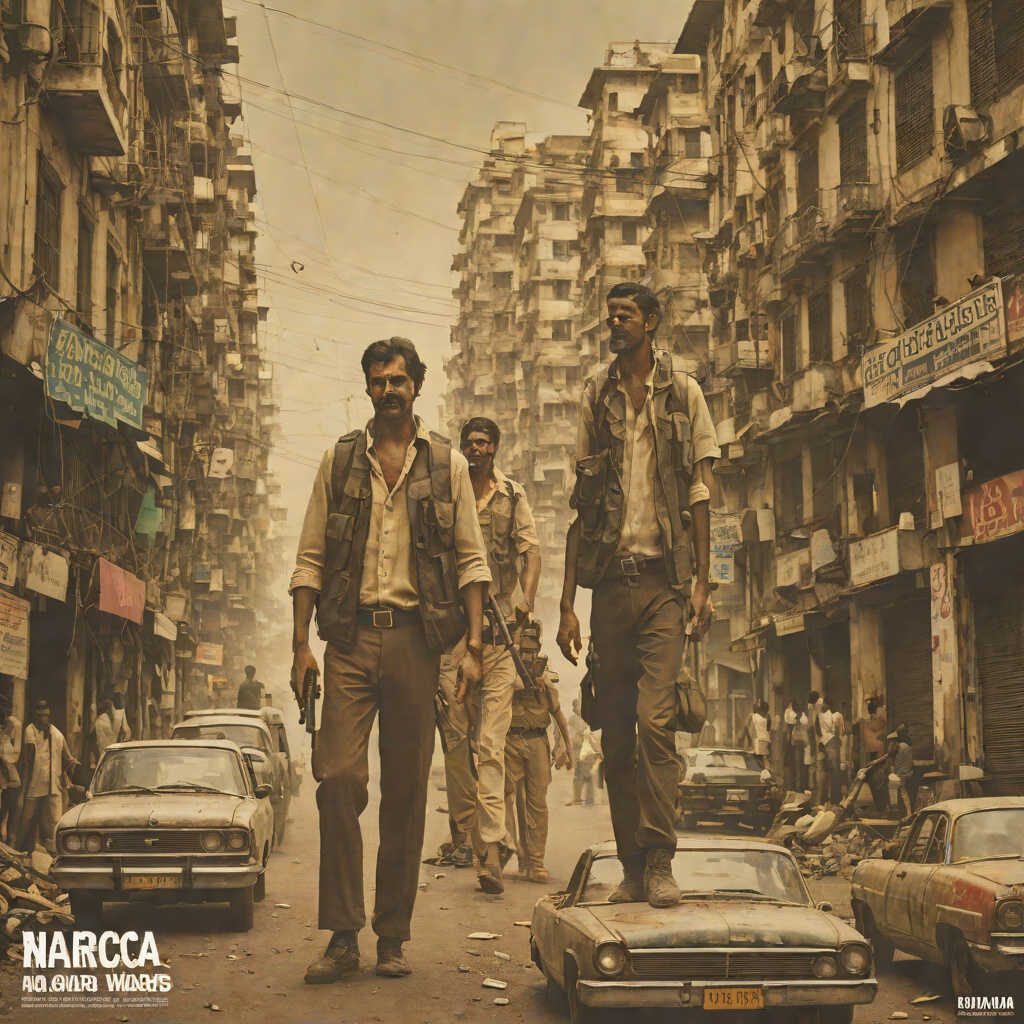
Mafia Queens of MumbaiThe Sion-Koliwada slum, perched on a hill in central Mumbai, is a settlement whose history is inseparable from the rise and fall of the city's underworld. Built as a makeshift home for impoverished Tamil migrants, it became infamous first as the site of an illicit hooch distillery and later as a drug den ruled by Mahalaxmi Papamani, the wealthiest drug baroness in Mumbai. Its evolution from a marginal migrant enclave to a center of criminal enterprise and, eventually, a target for redevelopment, makes it a microcosm of the forces that have shaped Mumbai's underbelly over decades.
Origins and the Rise of a Tamil Enclave
The slum's origins lie in the ambitions of Tamilian don Vardharajan Mudaliar, known as Vardha bhai, who sought to build a mini-Tamil Nadu in Mumbai. In 1980, as part of this plan, he brought hordes of men from the poverty-stricken regions of Salem to work in his illicit hooch liquor distillery, known as a khaadi, at Sion-Koliwada in central Mumbai. While the men labored in the distillery, the women were employed in red-light areas. Over several years, the Tamilians started settling in makeshift homes around Sion-Koliwada, and consequently, the slum came into being. The area became a refuge for these migrants, who were drawn by the promise of work and the presence of a powerful patron who had a considerable following among south Indians.
The slum's character was shaped by this migration. The area became a place where the Tamil language and culture dominated, creating a distinct identity within the larger city. This cultural cohesion was reinforced by the reverence the Tamil community held for figures like Papamani, who was named after their goddess. The slum was not merely a collection of shanties but a community bound by language, origin, and loyalty to its leaders.
The Drug Empire of Mahalaxmi Papamani
The decline of Vardharajan and the lifting of prohibition in the 1980s marked a turning point for the slum. Papamani, who had been one of Vardha's most favoured companions, saw her fortunes plummet as the same people who once looked at her with awe turned their backs on her. Left to fend for herself, she started as a rag-picker and domestic help before being approached by her neighbour and friend, Savitri, a prominent drug peddler in the slum. Under Savitri's tutelage, Papamani and Jyoti Adiramalingam were given the responsibility of dividing large quantities of heroin into smaller pudis, or packets, for distribution.
In 1991, Papamani split from Savitri and began running the business independently with a loyal group of peddlers. Her business strategy was simple and highly profitable: she would buy five kilogrammes of heroin for between one and three lakh rupees, convert ten grams into forty pudis, and sell each pudi at twenty-five rupees, making a profit of around three lakh rupees per month. In the months that followed, her coterie of workers tripled, and this illiterate slum-dweller launched a full-fledged empire with her own financial managers, peddlers, and advisors, literally converting the Sion-Koliwada slum into a drug den. She engaged several hundreds of unemployed men and women in the drug-peddling business, providing a source of income to many deprived families. She became known as the poor man's bank, loaning people money to run their households, and it is said she kept thirty to forty lakh rupees in cash tucked inside her sari, fearlessly walking the narrow alleys distributing money to poor Tamilians in return for their services.
A Landscape of Crime and Community
The slum's physical and social landscape reflected its dual nature as both a site of crime and a community. The area was built on a hill that leads to a Hindu temple, and its hutments were reminiscent of those at Sonapur Lane in Reay Road, another area associated with crime and poverty. The market area at Antop Hill, bustling with vendors and locals conversing in Tamil, could have been mistaken for a small town in Tamil Nadu, despite being in central Mumbai. This cultural immersion was so complete that the narrator, while walking through the market, felt transported out of the city.
Despite its notoriety, the slum's residents were fiercely protective of its secrets. When the narrator attempted to locate Papamani, most people refused to acknowledge her existence, let alone speak about her goddess-like aura. The residents offered vague replies, suspicious glares, and misleading directions, demonstrating a code of silence that shielded the drug baroness and her operations. This resistance highlighted the deep loyalty and fear that Papamani commanded, as well as the community's determination to protect its own from outside scrutiny.
Decline and the Push for Redevelopment
The slum's criminal heyday eventually gave way to new pressures. While most residents found other sources of income, several suffered irreversible damage as a result of the illicit industries. The area, once notorious for its hooch distillery and later as a drug den, became a target for redevelopment in the late 1990s. Real estate and rental prices were soaring across Mumbai, and builders were looking for prospects beyond the city. Tilak Nagar, a nearby 'township colony' of wide open spaces and old buildings, became an attractive destination for redevelopment, and the pressure soon extended to the surrounding areas.
Sujata Nikhalje, the wife of gangster Chhota Rajan, became a key figure in this transformation. With her reputation as 'Nani' and wife of a gangster, she often managed to arm-twist several people into selling their homes for good prices. She began her own construction company, Khushi Developers Private Ltd, named after her youngest daughter, and prepared a strategy to transform Tilak Nagar into a plush suburban locality, pulling down old buildings and replacing them with sprawling malls, high-rises, and office complexes. Rajan's goons would terrorise builders through extortion and land-grabbing, generating a fear psychosis that allowed Sujata to run her business smoothly. This period of transformation marked the end of the slum's era as a purely criminal enclave, as the forces of real estate and redevelopment began to reshape the landscape.
The story of the Sion-Koliwada slum is one of continuous transformation, driven by the ambitions of migrants, the economics of crime, and the relentless march of urban development. From a makeshift settlement for Tamil labourers to a drug empire and, finally, a target for redevelopment, the slum's history reflects the broader dynamics of power, poverty, and change in Mumbai. Its residents, who once revered a drug baroness as a goddess, now face the pressures of a city that is constantly rebuilding itself, often at the expense of its most vulnerable communities.