Suleman Usman Bakery
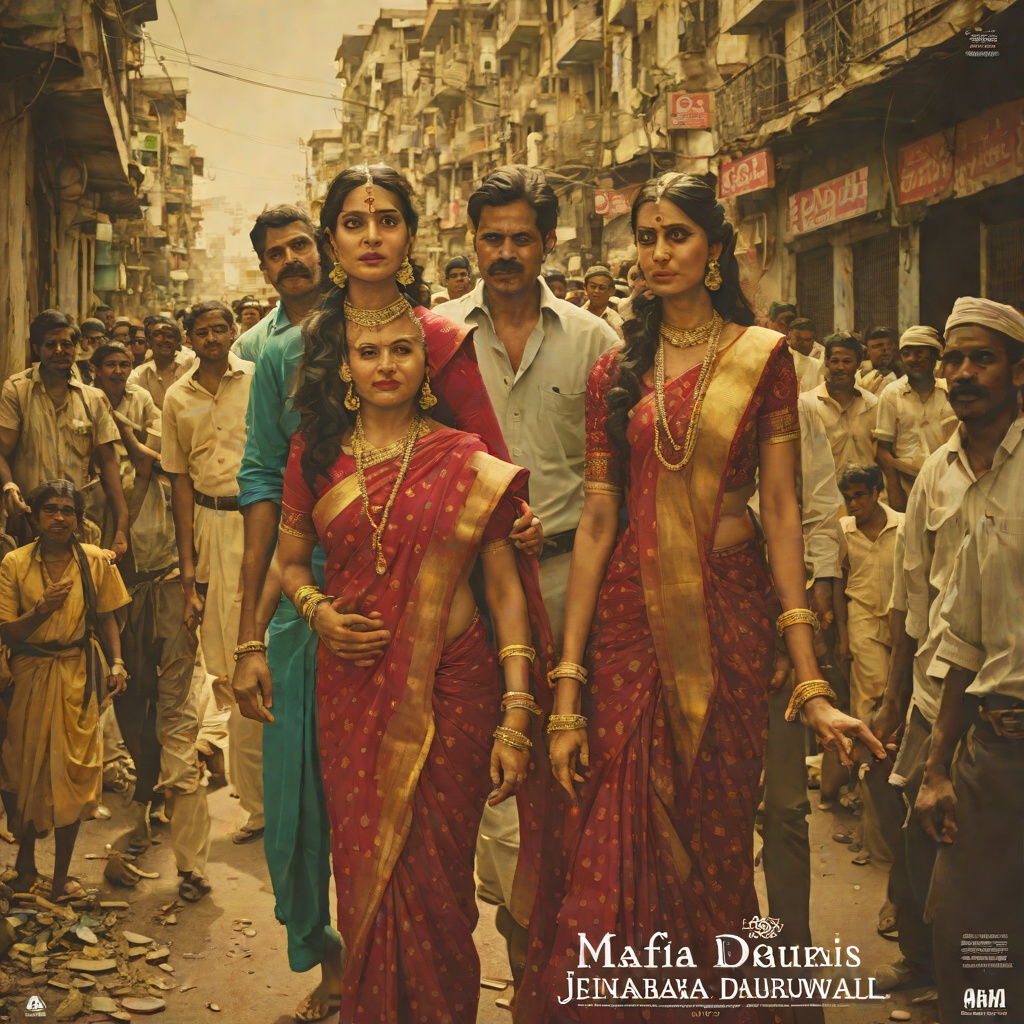
Mafia Queens of MumbaiSuleman Usman Bakery, a modest establishment in the Dongri neighbourhood of Mumbai, is remembered not for its bread but for the bloodshed that occurred there on 9 January 1993. On that day, the Special Operation Squad (SOS), acting under the direction of joint commissioner of police R.D. Tyagi, opened fire inside the bakery on the suspicion that terrorists were holed up on its terrace. The operation resulted in the deaths of nine Muslims, yet the police failed to apprehend any terrorists or seize any firearms from the spot. The truth, as later became clear, was that there were neither terrorists nor weapons to be found. The firing stands as one of the most gruesome and unwarranted killings by the police in the city's history, a stark example of state violence that would have profound consequences for the community and for one woman in particular.
The Setting and Its Significance
The bakery was situated in Dongri, a historically significant area of Mumbai that was once part of the original island stretching from Malabar Hill to the Dongri hills. In the mid-1700s, the hills were levelled as part of a plan to merge the different islands of Mumbai, and the low-lying patch of uneven land between Crawford Market in the north and the reclaimed lands of Kamathipura in the south came to be called Dongri. By the time of the firing, Dongri was choc-a-block with rickety, old buildings, falling partially below the gigantic JJ Flyover, and was primarily dominated by Muslims. The area was also home to Jenabai Daaruwali, who lived in a one-room tenement on Mohammad Ali Road. For years, a reprimand from her window had been enough to silence any sort of violent activity below, a testament to the informal power she wielded in the neighbourhood. The bakery, therefore, was not just a place of commerce but a fixture in a densely populated, Muslim-dominated community where Jenabai's authority was a recognised force for order.
The Firing and Its Immediate Aftermath
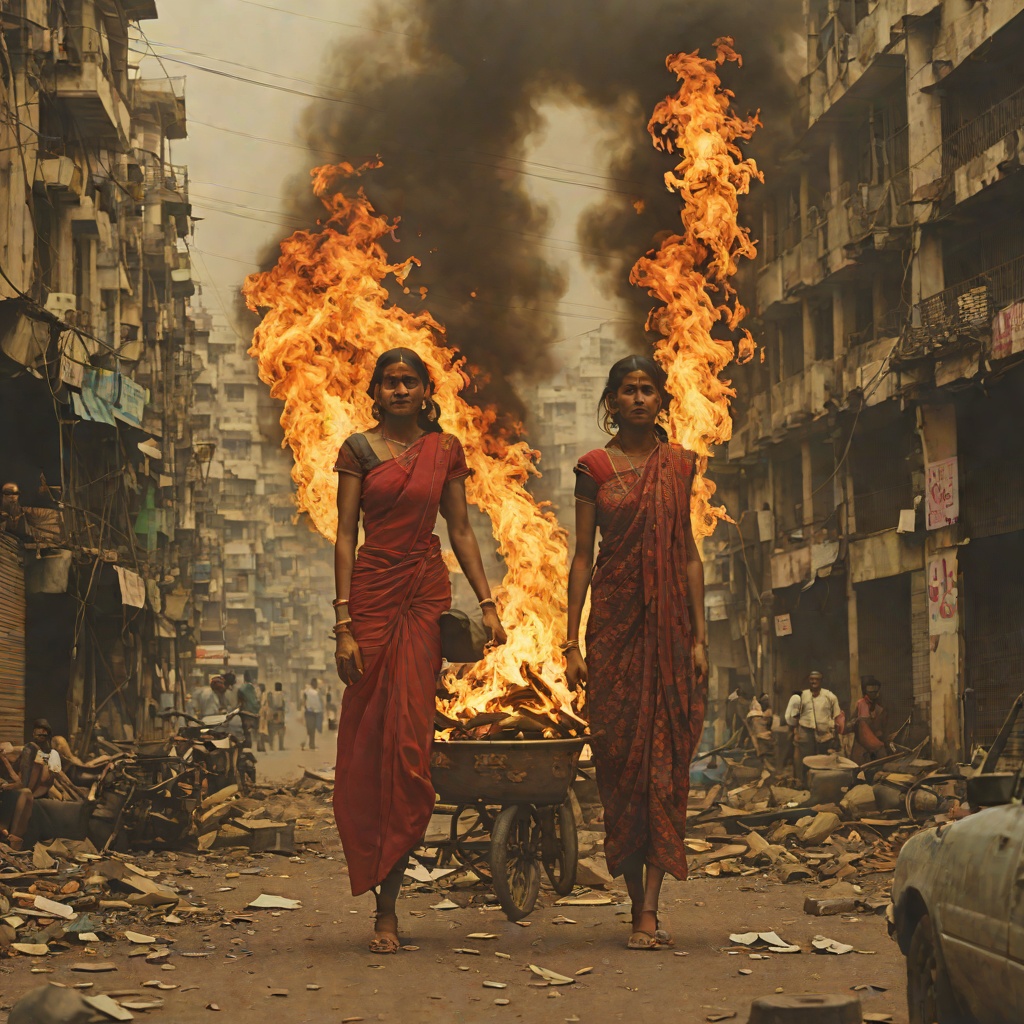
The firing at Suleman Usman Bakery was the culmination of a period of intense communal violence. Jenabai had already witnessed thousands gather to protest the demolition of the Babri Masjid and had seen the mob turn violent, setting police vehicles on fire. She had requested them to stop, but no one heeded her. Her power had been mutilated with the Hindu-Muslim riots, and she had been asked to stay put. The bakery firing, however, was the last straw. From her window, she peered out and heard the gunshots and the helpless cries of people from inside the bakery, becoming a spectator to one of the most gruesome and unwarranted killings by the police. The death of nine innocent Muslims, with no terrorists found and no firearms seized, was a brutal demonstration of the state's disregard for the lives of the community. The event shattered any remaining faith Jenabai had in the forces of order and galvanised her into action.
Jenabai's Defiant Response
In the wake of the firing, even a hundred warnings by the forces would not shake Jenabai's determination to step out of her home. Now, a hundred warnings by the forces would not shake her determination to step out of her home. In her long white chikan nightgown and a shawl that covered the grey in her hair, this fair and heavily jewelled lady, with a rosary in one hand and a white flag in the other, went out onto the street. In a few seconds, a group of young men had gathered behind her as she led the demonstration. She walked between the torched lanes of Dongri towards the Pydhonie junction, unconcerned about danger. The junction, with the Hamidiya Masjid on the right, Khatri Masjid on the left and three Jain Derasars, had become the dividing line for the two wounded communities. The Pydhonie police station, a gift of the British era, stood at right angles from these religious houses. When she reached the junction, she stopped. This act of defiance, a lone elderly woman marching with a white flag, transformed her from a figure of criminal notoriety into a symbol of communal peace and resistance against state violence.
The Broader Context of Women and Crime
The story of the Suleman Usman Bakery firing and Jenabai's response is part of a larger narrative about women in the world of crime and the underworld. The book from which this account is drawn is an attempt to understand the complex minds and the psyche of women criminals, without glorifying them. It emphasises that these women were not blank slates written upon by dangerous male mafia members, and that there is no simplistic cause-effect way of looking at their lives. For these women, crime was not only a way of transcending their poverty and limitations but also a life-saving concept. Jenabai's own career had begun in the 1940s when, in need of quick money to sustain her family after her husband moved to Pakistan following Partition, she started working as a broker for smuggled grain at Daana Bazaar. Her story, like that of the bakery firing, illustrates how women navigated and resisted state power, patriarchy, and communal politics, pushing the boundaries of dominant moral codes. The firing at Suleman Usman Bakery, therefore, is not just an isolated incident of police brutality but a key moment in the life of a woman who, despite her criminal past, emerged as a moral force in her community, challenging the very state that had once been her adversary.