
A Murder Concealed by a False Narrative
Maigret and the Dead GirlThis flow traces the movement from the misleading first appearance of Louise’s death to the competing stories that reveal what really happened.
increasing Bearing strength in each event
 decreasing
Bearing strength in each eventdecreasingThe Apparent Street Attack

The Apparent Street Attack
A Plausible First Theory
The young woman’s evening dress and place of discovery suggest that a man may have attacked a nightlife worker and taken her bag. The missing shoe and bare shoulders seem to fit a hurried encounter in the rain.
The Theory Weakens
The absence of a coat and the signs that she was beaten face-to-face complicate a simple street robbery. Jules Maigret suspects that the body was transported and that the killing may have occurred elsewhere.
A Body Moved After Death
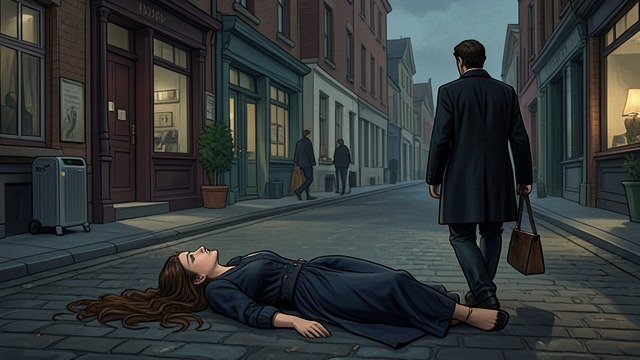
A Body Moved After Death
Medical Timing
Dr. Paul estimates that Louise died around two in the morning, while witnesses discover her later. The interval suggests that the murderer took time to transport and abandon the body.
A Staged Location
The choice of Place Vintimille is not necessarily connected to where she was attacked. The body’s placement turns the original crime into a misleading public scene, encouraging investigators to begin with the wrong neighborhood and motive.
The Bar’s Perfect Account
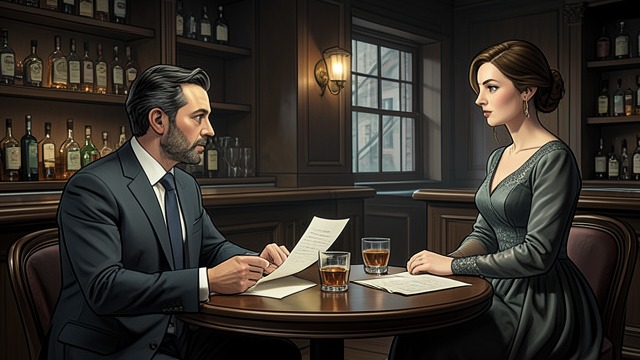
The Bar’s Perfect Account
A Coherent Version
Albert Falconi describes Louise arriving at Pickwick’s, drinking, reading a letter, and leaving with an American. The sequence appears to explain her final hours and gives the police a possible suspect to pursue.
Details Too Convenient
The account assumes a confidence and familiarity that Louise did not possess. Its neatness conceals Falconi’s actual aim: to direct attention away from himself and the other men involved in the theft.
Character Contradicts Testimony
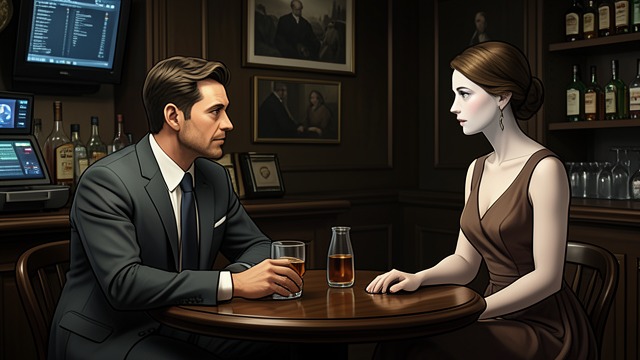
Character Contradicts Testimony
Habits as a Test
Jules Maigret compares Falconi’s version with everything witnesses have revealed about Louise. A shy woman unused to bars is unlikely to have ordered a martini, crossed a packed room easily, or read a letter in the basement.
The Alcohol Clue
The postmortem identifies rum, not the gin and vermouth of a martini. The mismatch gives physical support to Maigret’s reading of Louise’s behavior and breaks the false narrative open.
Confession Replaces the Story
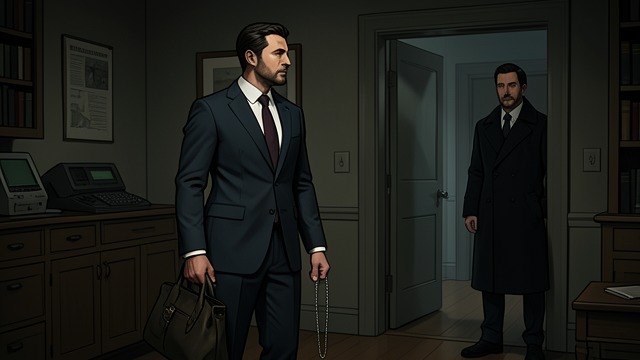
Confession Replaces the Story
A Failed Theft
Falconi admits that the intended target was Louise’s handbag and identity card. Bianchi’s attempt to grab the bag became a fatal struggle when its chain caught around Louise’s wrist.
Motive and Disposal
The killers wanted access to money hidden in Brooklyn and moved the body to disguise their connection to her. The confession replaces a story of chance violence with a crime shaped by greed, miscalculation, and concealment.
At the first examination on Place Vintimille
Before the body is discovered
When Maigret first questions Albert
During Maigret’s second interview with Falconi
At the case’s climax
