
Louise’s Journey from Nice
Maigret and the Dead GirlThis flow traces Louise’s departure from her mother’s unstable household and her repeated attempts to build an independent life.
increasing Bearing strength in each event
 decreasing
Bearing strength in each eventdecreasingA Childhood in Nice
A Childhood in Nice
Mother and Daughter
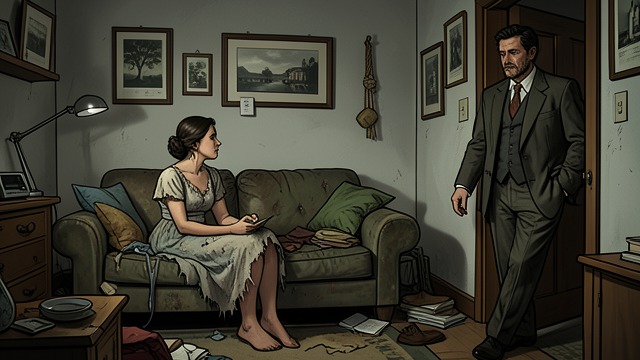
Louise grows up in Nice with Germaine Laboine, a mother whose attention is absorbed by gambling and her own uncertain past. Neighbors remember a household that looked respectable from outside but accumulated debts and offered little stability.
An Unusual Family
Louise’s father is absent, and the girl has little guidance about the life awaiting her. The mismatch between an apparently comfortable apartment and the family’s insecurity helps explain why her childhood feels both sheltered and precarious.
The Birthday Departure
The Birthday Departure
Leaving Home
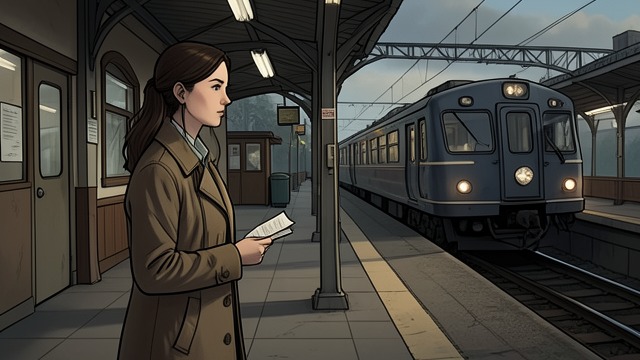
Louise leaves her mother on her sixteenth birthday and goes to Paris, leaving a letter to say she is going for good. Germaine does not report her missing, and years pass without mother and daughter exchanging news.
A Break Without Support
The departure is an assertion of independence, but Louise has neither a secure plan nor a family safety net. What begins as escape soon becomes a long effort to find work and shelter in a city she does not understand.
The Friend from the Train
The Friend from the Train
A Chance Meeting
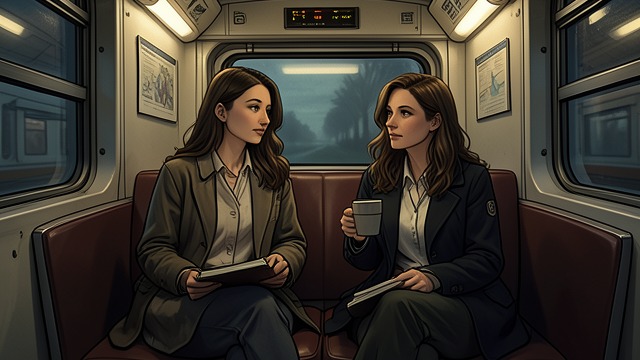
Louise meets Jeanine Armenieu during their journey to Paris. The two talk through the night, and Jeanine becomes the first person in the city with whom Louise can form a practical connection.
A Fragile Alliance
Their friendship begins with shared displacement rather than deep compatibility. Jeanine adapts confidently; Louise remains hesitant, and the arrangement that initially protects her will later become a source of dependence and resentment.
Jobs That Do Not Last
Jobs That Do Not Last
Repeated Attempts
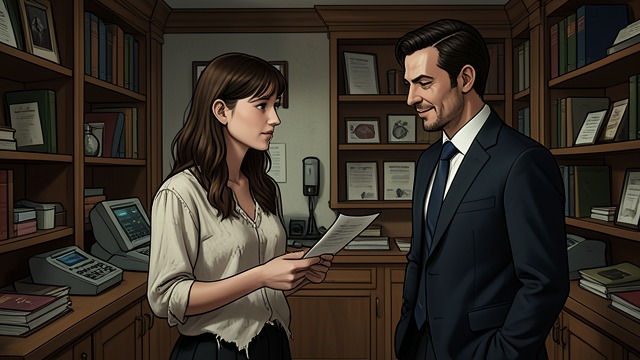
Louise tries office and shop work, but her limited schooling and difficulty handling unwanted advances repeatedly cost her employment. When a supervisor makes a pass, she responds directly rather than using the social tactics others expect.
Learning without a Guide
Each lost job deepens her hardship without teaching her how to secure the next one. She wants ordinary independence, but the rules of work and social negotiation remain opaque to her.
A City That Will Not Hold Her
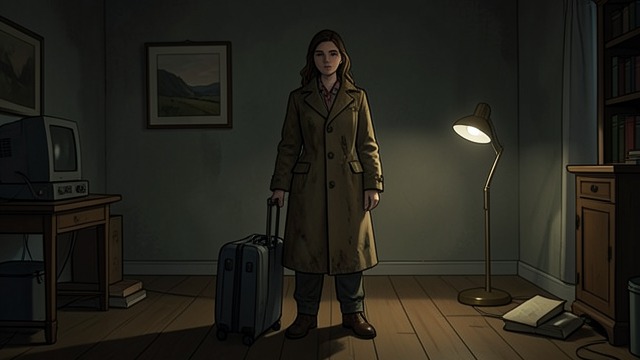
A City That Will Not Hold Her
Temporary Rooms
Louise moves among rented rooms, cheap hotels, and short periods of employment. She can rarely pay ahead and has no dependable person to call when illness or eviction interrupts her efforts.
Final Isolation
By the time she rents from Madame Crêmieux, she has become skilled at enduring solitude but has found no lasting place in Paris. Her death arrives at the end of a series of small exclusions rather than after a settled life.
Louise’s childhood, before she turns sixteen
On her sixteenth birthday
Soon after arriving in Paris
During Louise’s first years in Paris
In the months before the murder
