
Solitude and Substitute Companionship
Maigret and the Dead GirlThis flow explores the improvised relationships through which lonely people seek company, shelter, or a substitute family.
increasing Bearing strength in each event
 decreasing
Bearing strength in each eventdecreasingA Widow’s Empty Rooms
A Widow’s Empty Rooms
A Household Too Large
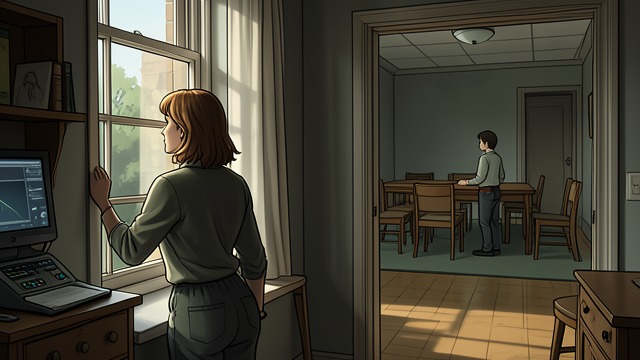
Madame Crêmieux lives alone in a spacious flat after her husband’s death. She rents rooms partly because she needs income, but also because she wants a young person nearby.
Company as an Expectation
She hopes a lodger will talk, share tea, and play cards. The arrangement shows how a commercial exchange can carry an unspoken emotional request that the tenant may not be able to satisfy.
A Roomer Who Remains Distant
A Roomer Who Remains Distant
Privacy and Misunderstanding
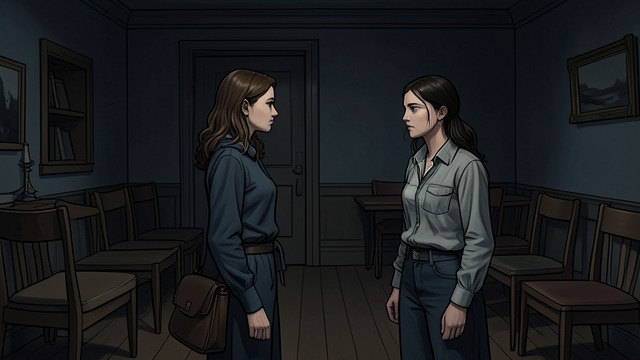
Louise treats the room as a place to sleep, avoids conversation, and keeps the details of her life private. Madame Crêmieux sees this as unsociable behavior and repeatedly tries to draw her out.
Needs That Do Not Meet
One woman wants companionship; the other needs quiet and autonomy. Their mismatch turns the same apartment into refuge for Louise and disappointment for Madame Crêmieux.
Coumar’s Protégées
Coumar’s Protégées
Refuge in a Shop
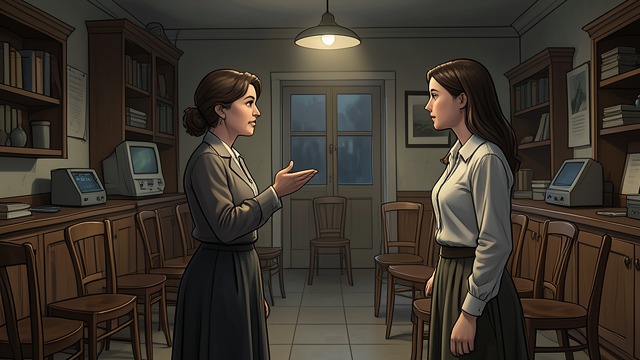
Elisabeth Coumar takes in young women who arrive without money or a place to sleep. Viviane’s presence at the shop is one example of this informal support network.
Generosity and Dependence
The girls receive shelter, but their gratitude and need can make them subordinate to the person who helps them. The arrangement is compassionate without being free of power or obligation.
The Women Who Need One Another

The Women Who Need One Another
Different Kinds of Care
Madame Crêmieux and Elisabeth Coumar both gather younger women around themselves, but for different reasons and under different terms. One rents a room and expects company; the other presents herself as a protector of girls in trouble.
Companionship as Shelter
Jules Maigret sees how loneliness can motivate apparently practical arrangements. The pattern neither excuses cruelty nor dismisses genuine kindness; it reveals the emotional needs beneath the exchange of rent, care, and obedience.
Louise Without a Place to Return

Louise Without a Place to Return
A Series of Severed Ties
Louise has left her mother, lost steady work, been separated from Jeanine, and been evicted by Madame Crêmieux. Each relationship has offered some support, but none remains dependable.
Isolation at the Crucial Moment
She walks toward Pickwick’s Bar without a companion who can protect her or verify what she is doing. Her final vulnerability grows from a whole history of disconnected attachments rather than one isolated bad decision.
Before Louise rents a room
During Louise’s stay with Madame Crêmieux
When Maigret visits Rue de Douai
As Maigret compares the two households
On the night of the murder
