
Photographs and the Work of Recognition
Maigret and the Dead GirlThis flow traces photographs as both investigative tools and incomplete images that provoke questions about who is remembered.
increasing Bearing strength in each event
 decreasing
Bearing strength in each eventdecreasingA Face at the Crime Scene
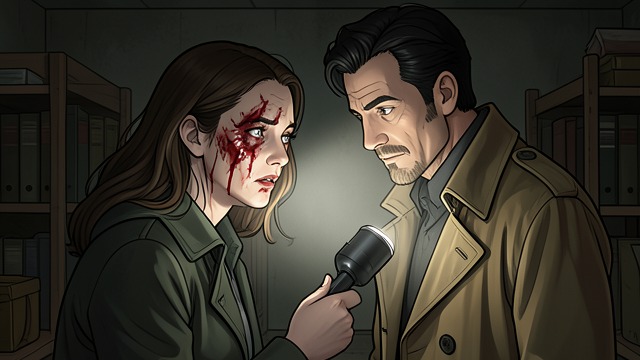
A Face at the Crime Scene
First Impressions
Jules Maigret sees only part of the young woman’s bruised face under the flashlight. Her expression seems sulky and childlike, but her identity and past remain unknown.
A Person Before a Name
The face fascinates Maigret even before he knows why. Its human specificity makes the body harder to treat as a routine street victim and begins the search for the person who has disappeared from it.
The Paper’s Public Image
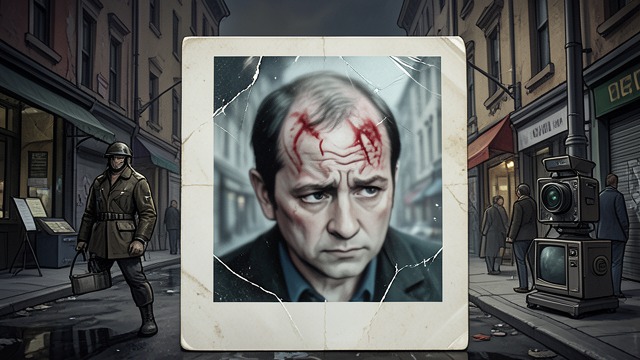
The Paper’s Public Image
A Photograph Circulated
The newspapers print a photograph of Louise’s bruised head, and the police hope readers will recognize her. The image is damaged and incomplete, but it is the only public description available.
A Weak Response
Few calls arrive. The picture can travel across the city, but cannot force a relationship into existence where none has been maintained.
The Model’s Composite

The Model’s Composite
A Lifelike Reconstruction
A photographer places Louise’s face onto a model wearing clothes like those she owned. The images suggest the living woman who might have walked through Paris the night before.
Recognition and Unease
Jules Maigret and Inspector Janvier are struck by how lifelike the result appears. The photograph is an artificial reconstruction, yet it helps them imagine Louise as more than a corpse or an unidentified face.
A Man Preserved in a Notebook
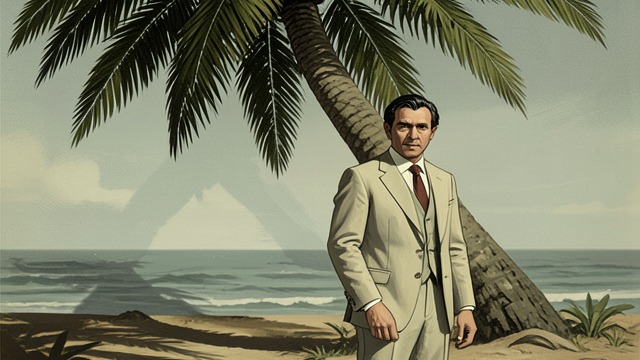
A Man Preserved in a Notebook
An Old Photograph
Madame Crêmieux remembers a faded image of a distinguished man that Louise kept in her notebook. He wears a light suit beside a palm tree, perhaps somewhere on the Riviera.
A Clue with Emotional Weight
The photograph suggests a private connection that Louise refused to explain. Its importance becomes clear only when investigators learn about Julius Van Cram, showing how an image can preserve a relationship while withholding its story.
A Life Developed from Fragments
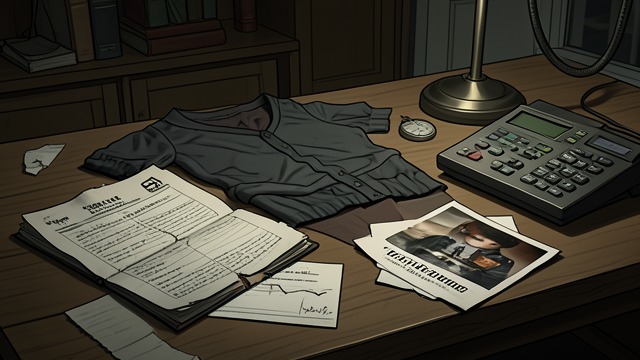
A Life Developed from Fragments
Memories Accumulate
Witness statements, clothing, a photograph, and a medical report gradually bring Louise into focus. Each detail remains incomplete, but together they establish a history of failed work, fragile friendships, and repeated displacement.
The Image Is Never the Whole Person
The finished picture helps solve the murder, yet it cannot reveal everything Louise thought or hoped. The investigative metaphor of a photograph emerging from developer captures both the power and the limits of evidence.
On Place Vintimille, before dawn
The morning after the murder
The first afternoon at the Police Judiciaire
During the first visit to Madame Crêmieux’s flat
As the investigation nears its end
