
The Criminal System Versus the State
Man on FireThis thread traces the long imbalance between organized crime and public institutions, then shows how Creasy’s campaign gives officials an opening while exposing the law’s limits.
increasing Bearing strength in each event
 decreasing
Bearing strength in each eventdecreasingPower Built Through Protection

Crime as an Institution
A system returns
After the war, criminal organizations rebuild networks around prostitution, reconstruction contracts and paid protection. Their power grows by providing services and coercion where public authority is weak.
State and crime overlap
Bosses cultivate police, judicial and political contacts. The resulting system is difficult to oppose because formal institutions are not always independent of the interests they are supposed to restrain.
Satta Builds a Case

Legal Pressure Accumulates
A patient investigation
Satta gathers information on the Milan families through surveillance, intercepted calls and informants. He expects that evidence will eventually support prosecutions.
The problem of enforcement
Witnesses are difficult to protect, sentences are weak and the organization has informers throughout public life. Satta’s work is substantial but reveals how slowly lawful methods can reach senior figures.
The Campaign Creates an Opening
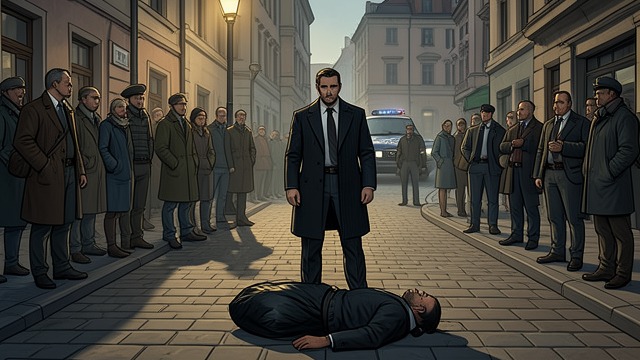
A Crisis the Police Can Use
A damaged alliance
Conti’s death weakens the arrangement that holds rival criminal families in balance. Satta sees that disorder may let law enforcement move against figures who were previously protected by the hierarchy.
Sympathy and responsibility
Satta does not simply approve of Creasy’s methods. He recognizes their practical effect while confronting his duty to apprehend a killer, producing a compromise that is both strategic and ethically unstable.
Public Backlash
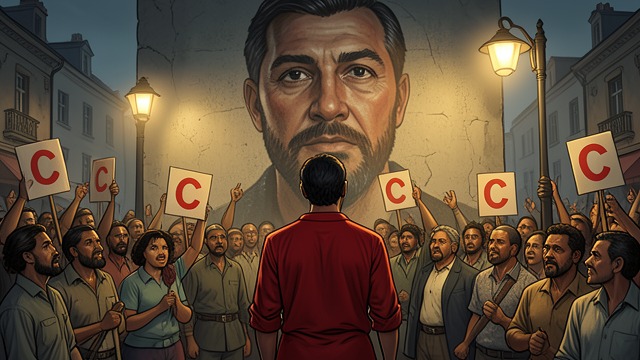
Anger Finds a Figure
The story spreads
The press connects the kidnapping scandal, the prominent deaths and the Mafia’s power. Creasy’s picture becomes a recognizable image across Italy.
Popular support and danger
The “GO CREASY!” slogan expresses a public frustration with institutions that seem unable to protect ordinary people. The attention offers symbolic support but also removes Creasy’s anonymity and increases the threat to anyone helping him.
After the Leadership Falls
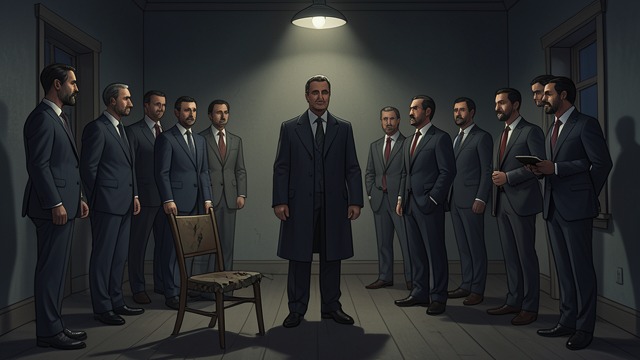
A Temporary Shift in Power
The organization fragments
With Cantarella and Conti dead, the stable leadership structure cannot quickly reassert control. Satta expects rivalries and confusion to create openings for investigation and enforcement.
No simple victory
The campaign damages organized crime but does not establish that the system is permanently destroyed. The ending offers a changed balance of power, not a claim that violence or corruption has vanished.
During Italy’s postwar reconstruction
In the months before the kidnapping is exposed
After Creasy kills Conti
After the campaign becomes front-page news
After the Battle of Palermo
