
Fate, Choice and Responsibility
Man on FireThis thread tests the language of fate against the novel’s insistence that human actions, not destiny, produce both harm and possibility.
increasing Bearing strength in each event
 decreasing
Bearing strength in each eventdecreasingA Life Called Futile
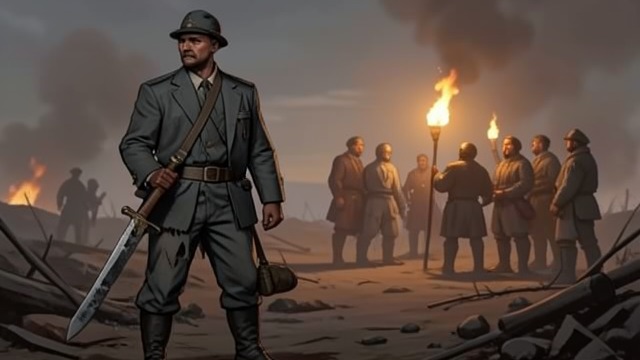
Repetition Mistaken for Destiny
Wars without an end
Creasy looks back on battles across several countries and sees a repeated pattern of futile causes and deaths. He imagines the same cycle continuing wherever he goes.
A conclusion that can change
His belief that the future will repeat the past is emotionally persuasive but not inevitable. Accepting the job brings him into contact with Pinta, whose influence complicates his claim that nothing new can matter.
Pinta’s View of Faith
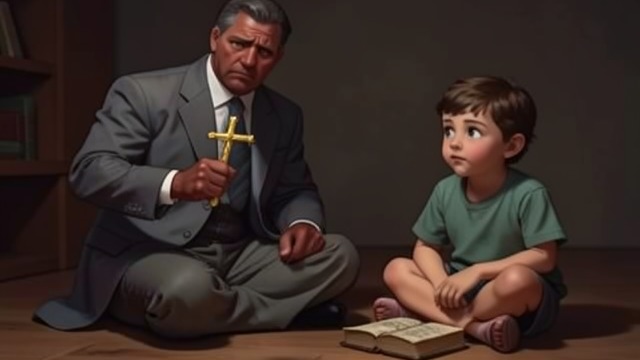
Belief Without Certainty
A gift against doubt
Pinta gives Creasy a gold cross even though she understands that he struggles with religious belief. She suggests that keeping it cannot hurt, especially before certainty arrives.
A child’s position
Pinta believes without demanding proof and jokes that proof would be announced on television. Her attitude does not solve Creasy’s questions, but offers a humane way to live with uncertainty.
The Island’s Small Choices

Events Made by People
No predetermined rescue
Creasy reflects that Nadia and Joey’s rescue, the community’s welcome and Salvu’s eccentric routines are products of particular people acting at particular moments. He rejects the idea that events are simply fated.
Responsibility replaces fatalism
The view gives moral weight to human choices. It also intensifies his anger at Pinta’s death: the crime was made by people, so he believes people can be held responsible.
Nadia Chooses the Present
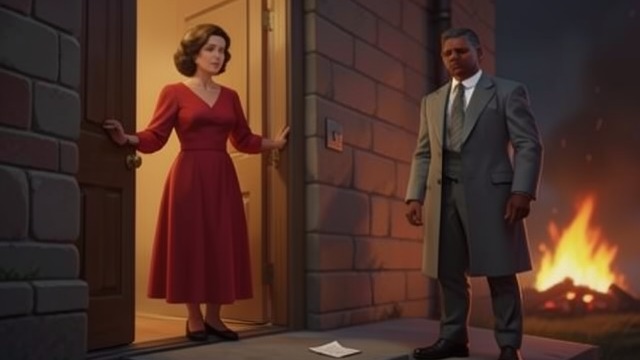
Agency Without a Promise
A future she understands
Nadia knows Creasy is older and will leave, yet chooses love without pretending the obstacles do not exist. Her decision refuses both social pity and the demand that intimacy must guarantee permanence.
Consequences remain real
Her choice is not free of risk: she later becomes pregnant and keeps the fact from Creasy. The story treats agency as consequential, not as a magical escape from uncertainty.
A Return Against the Record

Fate Left Unsettled
The funeral’s apparent finality
The narrative records Creasy’s death and funeral, making his return to Gozo seem impossible. The campaign’s cost appears settled in the grave.
The last image revises expectation
The epilogue shows Creasy stepping from a launch and embracing Nadia. It offers a return without explaining how it occurred, leaving the reader with possibility rather than a fully resolved account of fate.
Before Creasy takes the bodyguard job
During the mountain picnic
During Creasy’s recovery on Gozo
When Nadia declares her love
The new-year epilogue
